The Catholic faith is a vast and profound ocean of wisdom, built upon centuries of tradition, scripture, and the lived experiences of countless souls. For those seeking to deepen their understanding and connection to this rich heritage, the question naturally arises: what books should every Catholic read? This isn’t about a rigid checklist, but rather a curated exploration that can illuminate the path of faith, nourish the soul, and equip us to live more fully as disciples of Christ. Think of it as building a spiritual library, each book a stepping stone to greater knowledge and love of God.
Navigating the sheer volume of Catholic literature can feel overwhelming. From ancient theological treatises to modern devotional guides, the options are endless. However, by focusing on foundational texts, influential spiritual classics, and accessible guides to our faith, we can create a reading list that is both comprehensive and personally enriching. This journey is about more than just acquiring knowledge; it’s about encountering God in new ways, challenging our perspectives, and ultimately, growing in our love for Him and for our neighbor.
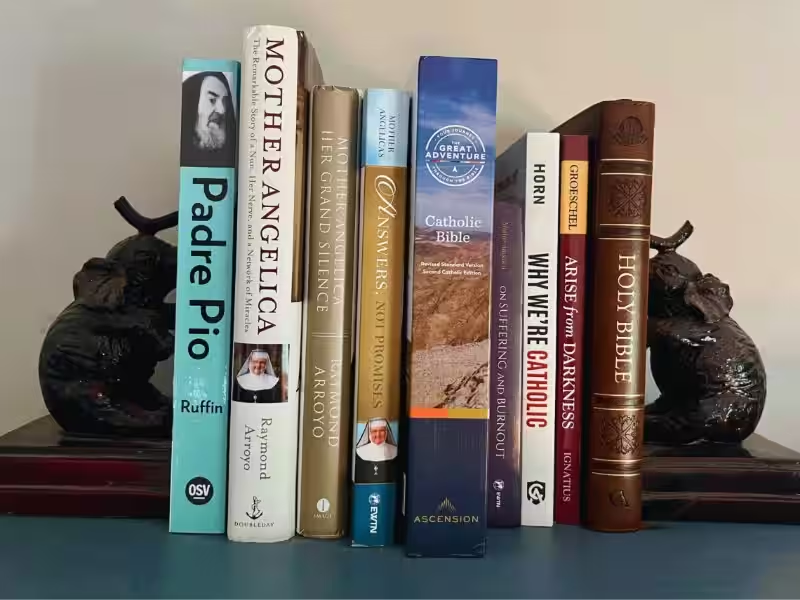
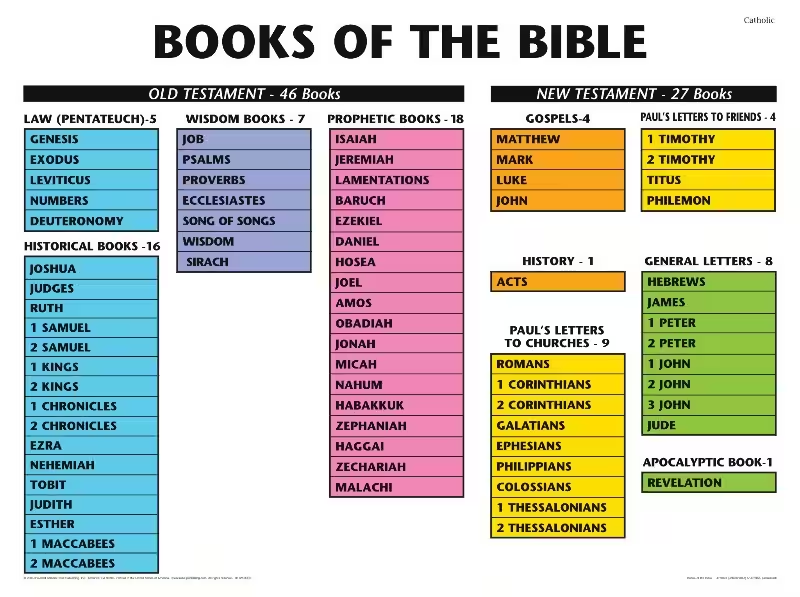
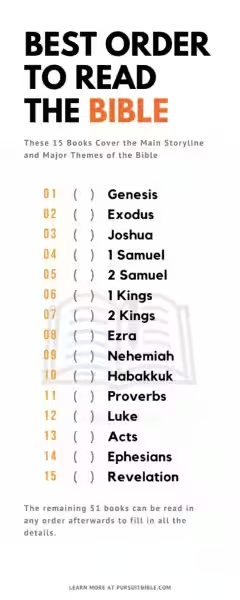
At the heart of every Catholic’s spiritual life lies the Holy Bible. It is the inspired Word of God, a divine revelation that tells the story of salvation history, from creation to the redemption brought about by Jesus Christ. Reading the Bible isn’t just an academic pursuit; it’s a conversation with God Himself. Engaging with its narratives, prophecies, and wisdom literature can transform our understanding of His will and His merciful love. For beginners, a good study Bible with footnotes and commentary can be invaluable, offering context and insights. Consider starting with the Gospels – Matthew, Mark, Luke, and John – to encounter the life and teachings of Jesus directly. Then, explore the Old Testament to understand the roots of our faith and the promises that were fulfilled in Christ.
Complementing scripture is the Catechism of the Catholic Church. This monumental work is a summary of Catholic doctrine, morality, and prayer. It’s not meant to be read cover-to-cover like a novel, but rather to be consulted and studied. Think of it as the Church’s official handbook for living out the faith. When you encounter a question about a specific teaching, a saint’s life, or a liturgical practice, the Catechism provides clear and authoritative answers. It’s a testament to the Church’s enduring Magisterium, offering a unified and faithful presentation of what Catholics believe and how we are called to live. Having a copy readily available is essential for any serious Catholic reader.
Beyond the foundational texts, there are timeless spiritual classics that have guided generations of Catholics. These books offer profound insights into the spiritual life, written by saints and theologians who walked closely with God. One such indispensable work is “The Story of a Soul” by St. Thérèse of Lisieux. Her “little way” of holiness, characterized by trust in God’s love and performing ordinary actions with extraordinary love, resonates deeply with people from all walks of life. It’s a beautiful and accessible testament to finding holiness in the everyday. This autobiography shows us that sanctity isn’t reserved for the extraordinary, but for anyone willing to embrace God’s love in their ordinary life.
Another essential read is “Introduction to the Devout Life” by St. Francis de Sales. This gentle, yet profound, guide offers practical advice for living a Christian life in the midst of the world. St. Francis de Sales understood that not everyone is called to a contemplative life in a monastery, but that all are called to holiness. He provides wisdom on prayer, virtue, overcoming temptations, and cultivating a deeper relationship with God, all with a pastoral heart. This book is like having a wise and compassionate spiritual director at your fingertips, offering encouragement and practical steps toward a more devout life.
Navigating the Mystical and the Moral
For those drawn to the deeper mysteries of faith, exploring the writings of the mystics can be incredibly rewarding. “The Interior Castle” by St. Teresa of Ávila is a masterpiece of mystical theology. She uses the analogy of a castle with many mansions to describe the soul’s journey toward union with God. It’s a challenging but ultimately illuminating work that maps out the stages of spiritual growth and the practices that can lead us closer to divine intimacy. St. Teresa’s vivid descriptions and profound spiritual insights offer a roadmap for those seeking to experience God on a more profound level.
On the moral and practical side of faith, “The Imitation of Christ” by Thomas à Kempis remains a perennial favorite. This medieval classic is a call to a deeper commitment to Christ, focusing on the importance of humility, detachment from worldly things, and the pursuit of virtue. It’s a powerful reminder that true Christian living is about imitating Christ in all aspects of our lives, not just in belief, but in action. The book’s direct and challenging tone can be a powerful catalyst for self-examination and a renewed dedication to living a Christ-centered life.
Contemporary Voices and Practical Guidance
While ancient wisdom is crucial, contemporary authors offer valuable perspectives and practical guidance for navigating faith in today’s world. Books by figures like Scott Hahn, such as “The Lamb’s Supper: The Mass as Heaven on Earth,” can revitalize our understanding of the liturgy. Hahn masterfully connects the Mass to the Book of Revelation, revealing its cosmic and salvific significance. This book can transform how you experience Sunday Mass, making it a truly awe-inspiring encounter with the divine. His ability to weave together scripture, theology, and accessible language makes complex ideas understandable and inspiring.
For those seeking guidance on living out their faith in relationships, work, and society, authors like Matthew Kelly offer relatable and practical advice. Books such as “The Seven Levels of Intimacy” or “Rediscovering the Saints” provide actionable steps for spiritual growth and deeper connections. These contemporary voices speak to the challenges and opportunities of modern Catholic life, offering encouragement and wisdom for living a vibrant faith. Their writings often focus on practical applications, helping readers integrate their faith into their daily lives with purpose and joy.
A Lifelong Journey of Discovery
Ultimately, the question of what books should every Catholic read leads us on a lifelong journey of discovery. This list is merely a starting point, an invitation to explore the vast and beautiful landscape of Catholic literature. The most important book, of course, is the Holy Bible, but supplementing it with the wisdom of saints, the clarity of the Catechism, and the insights of contemporary thinkers will undoubtedly enrich your faith. Don’t be afraid to explore different genres, authors, and eras; God’s truth is revealed in countless ways.
Consider this an ongoing conversation with the Communion of Saints and the living Tradition of the Church. As you read, pray, reflect, and discuss. Allow these books to challenge you, comfort you, and inspire you. The more you engage with these profound works, the deeper your understanding of God’s love will become, and the more capable you will be of living out your Catholic faith with conviction and joy. Embrace the richness of our faith, one page at a time.
Every Catholic can benefit from reading a variety of books that deepen their understanding of faith, scripture, and tradition. Some foundational texts include:
The Bible: Essential for understanding the narrative of salvation history and God’s relationship with humanity.
The Catechism of the Catholic Church: A comprehensive summary of Catholic doctrine and teachings.
The Imitation of Christ by Thomas à Kempis: A spiritual classic offering guidance on living a devout life.
Introduction to Christianity by Joseph Ratzinger (Pope Benedict XVI): Explores the core tenets of the Christian faith.
Mere Christianity by C.S. Lewis: A clear and accessible defense of Christian beliefs from an Anglican perspective, highly valued by many Catholics.
The Confessions of Saint Augustine: A profound spiritual autobiography that explores sin, grace, and God’s mercy.
The City of God by Saint Augustine: A monumental work of Christian philosophy and theology.
The Lives of the Saints: Reading about the lives of saints provides inspiration and examples of Christian living.
Where can I learn more about Catholicism?
There are numerous resources available to learn more about Catholicism:
Your local parish: Priests, deacons, and parish staff are excellent resources for answering questions and providing guidance.
The Catechism of the Catholic Church: As mentioned above, this is a primary source for official teachings.
Catholic websites and publications: Many reputable Catholic organizations and news outlets offer articles, videos, and podcasts on faith and doctrine.
Books by Catholic authors: Beyond the foundational texts, explore works by theologians, apologists, and spiritual writers.
Catholic educational institutions: Universities and seminaries often offer online courses or public lectures.