The Enduring Allure of Madonna Gardens and Their Religious Significance
The concept of Madonna gardens, often found nestled within or adjacent to religious institutions, offers a profound and deeply personal intersection of nature, art, and spirituality. These meticulously designed spaces, frequently dedicated to the Virgin Mary, serve as more than just aesthetically pleasing landscapes; they are sanctuaries for contemplation, prayer, and spiritual renewal. The tranquil atmosphere, often enhanced by the gentle murmur of fountains, the vibrant hues of blooming flowers, and the serene presence of statuary, invites visitors to step away from the clamor of daily life and reconnect with their faith on a deeper level.
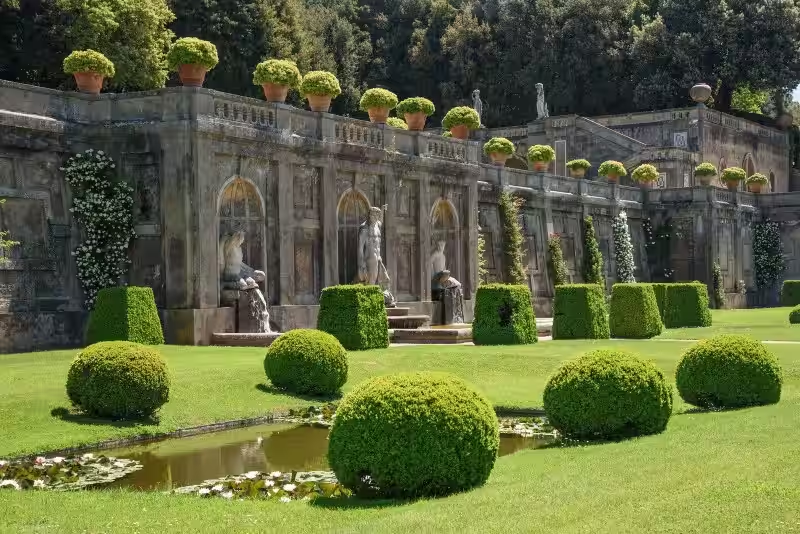
The power of a Madonna garden lies in its ability to evoke a sense of peace and reverence. Imagine walking along a winding path, dappled sunlight filtering through ancient trees, and encountering a beautifully sculpted statue of Mary, her gaze serene and her posture embodying maternal grace. This visual and sensory experience can facilitate a profound emotional response, fostering a sense of closeness to the divine. These gardens are living testaments to devotion, carefully tended by dedicated individuals who understand their sacred purpose. They are spaces where prayers feel more potent, where anxieties can melt away, and where a quiet introspection can lead to spiritual insights.
Designing Sacred Spaces: Elements of a Madonna Garden
The creation of a Madonna garden is a thoughtful process, drawing upon a rich history of religious symbolism and horticultural artistry. The primary objective is to cultivate an environment that is both beautiful and conducive to spiritual reflection. This often involves a deliberate selection of plants, statues, water features, and carefully arranged seating areas, all working in harmony to create a sanctuary. The symbolism embedded within these gardens is paramount, transforming ordinary elements into powerful reminders of faith.
Key elements commonly found in a Madonna garden include:
Statuary: A central statue of the Madonna, often depicted with the Christ child, is a defining feature. Other statues of saints or biblical figures may also be present, offering focal points for prayer and meditation. The posture, gesture, and expression of the statuary are carefully chosen to convey specific theological messages, such as compassion, intercession, or divine love.
Water Features: Fountains, ponds, or even simple birdbaths contribute to the serene ambiance. Water often symbolizes purity, life, and the flow of divine grace. The gentle sound of running water can be incredibly calming, aiding in focused prayer and contemplation.
Floral Symbolism: Specific flowers are often chosen for their religious associations. For instance, lilies are frequently linked to purity and the Annunciation, while roses can symbolize Mary’s sorrows or her role as the “Mystical Rose.” The vibrant colors and delicate fragrances of these blooms add another layer of sensory engagement, enhancing the overall spiritual experience.
Seating and Pathways: Benches and quiet alcoves are strategically placed, inviting visitors to pause, rest, and engage in prayer or quiet reflection. Winding pathways encourage a slow, contemplative journey through the garden, preventing a hurried experience. The design of pathways often mimics the spiritual journey, leading visitors through stages of discovery and introspection.
Beyond their aesthetic appeal, the plants chosen for a Madonna garden are often imbued with deep religious meaning. Each bloom, leaf, and tree can serve as a tangible representation of spiritual truths, making the garden a living catechism. Understanding this symbolism can profoundly enrich a visitor’s experience, transforming a casual stroll into a deeply meaningful encounter with faith.
For example, the evergreen nature of certain plants like cypress trees or holly bushes signifies eternal life and resilience, offering a comforting reminder of God’s enduring presence. The fragrance of certain herbs, such as lavender or rosemary, has long been associated with prayer and remembrance, enhancing the meditative qualities of the space. Even seemingly simple elements like moss-covered stones can evoke a sense of ancient wisdom and the enduring nature of faith, grounding visitors in a timeless spiritual tradition. The deliberate placement of these plants, creating both visual beauty and symbolic resonance, is a testament to the careful planning that goes into every Madonna garden.
Madonna Gardens as Spaces for Prayer and Contemplation
The primary purpose of a Madonna garden is to facilitate a deeper connection with the divine through prayer and contemplation. These meticulously crafted environments are designed to remove worldly distractions and create a sacred space where individuals can focus their hearts and minds on their spiritual journey. The inherent tranquility and beauty act as a powerful aid, allowing for a more profound and personal experience of faith.
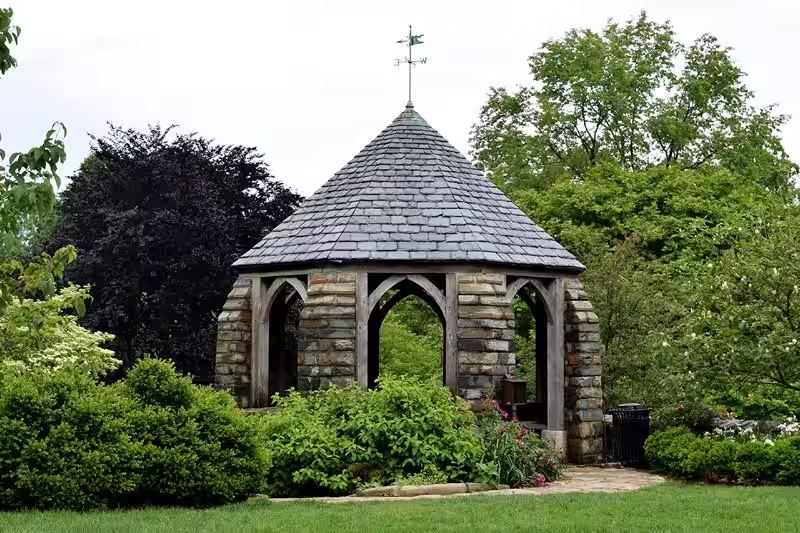
Stepping into a Madonna garden is akin to entering a sacred pavilion of peace. The absence of loud noises, the gentle rustling of leaves, and the soft light create an atmosphere conducive to inner stillness. This stillness is crucial for effective prayer, allowing thoughts to settle and the voice of God to be heard more clearly. Whether engaging in formal prayer, reciting the Rosary, or simply offering silent supplications, the environment of a Madonna garden amplifies intention and fosters a sense of spiritual presence.
Finding Personal Meaning in the Sacred Landscape
Each visitor brings their own unique spiritual journey and intentions to a Madonna garden. While the garden itself is designed with universal themes of faith and devotion, its true power lies in its ability to resonate with individuals on a deeply personal level. The symbolism, the beauty, and the sheer tranquility combine to create a space where personal prayers can be offered with heightened sincerity and where moments of profound spiritual insight can occur.
Consider the simple act of sitting on a bench in a Madonna garden, gazing at a statue of Mary. For one person, it might be a moment to seek comfort and intercession during a time of hardship. For another, it could be an occasion to express gratitude for blessings received. The garden serves as a silent, supportive witness to these diverse human experiences, offering a consistent backdrop of divine love and unwavering peace. The personal narrative of faith unfolds within these sacred confines, making each visit a unique and transformative encounter.
The Historical and Cultural Roots of Madonna Gardens
The tradition of creating sacred gardens dedicated to religious figures, including the Virgin Mary, has deep historical and cultural roots that span centuries and continents. These gardens are not merely modern inventions but are part of a long-standing practice of using natural spaces to enhance religious devotion and communal worship. The enduring appeal of these holistic sanctuaries speaks to a fundamental human need to connect with the divine in a tangible and beautiful way.
Historically, monasteries and convents were often centers of horticultural innovation and spiritual practice. The cloistered gardens within these institutions served practical purposes, providing food and medicinal herbs, but they also held profound symbolic and devotional meanings. These were spaces for monks and nuns to meditate on scripture, to contemplate the divine order of creation, and to find solace in the beauty of God’s handiwork. The legacy of these monastic gardens directly informs the design and purpose of contemporary Madonna gardens, emphasizing both aesthetic beauty and profound spiritual intent.
Evolution of Devotion: From Ancient Courtyards to Modern Sanctuaries
Over time, the concept of dedicated religious gardens evolved. While ancient cultures often incorporated sacred groves and natural sites into their worship, the specific focus on figures like Mary gained prominence during the medieval period, particularly with the rise of Marian devotion. The articulation of Mary’s role in Christian theology led to the creation of dedicated spaces that reflected her importance and offered a focal point for her veneration.
Today, Madonna gardens can be found in a wide variety of settings, from the grounds of grand cathedrals and historic churches to smaller parish gardens and even private residences. Regardless of their scale or location, they share a common purpose: to provide a haven for spiritual reflection and a tangible expression of faith. These gardens are not static relics of the past but are living, breathing spaces that continue to offer solace, inspiration, and a deeper connection to the divine for people of all ages and backgrounds. The ongoing cultivation and care of these gardens ensure their continued relevance as vital spaces for faith in the modern world.
Madonna Gardens is a community garden located in [Insert Location Here]. It provides a space for residents to grow their own produce, flowers, and herbs.
Who can join Madonna Gardens?
Membership is generally open to residents of [Specify Geographic Area or Community]. There may be a small annual fee to cover shared expenses.
What are the benefits of joining Madonna Gardens?
Joining Madonna Gardens offers benefits such as access to fresh, healthy food, opportunities for physical activity, a chance to connect with nature, and a way to build community with fellow gardeners.
Are there any rules or guidelines for gardeners?
Yes, Madonna Gardens has a set of rules and guidelines to ensure a positive and productive environment for all members. These typically cover plot maintenance, water usage, composting, and respectful interaction with others.
Do I need gardening experience to join?
No, gardening experience is not required. Madonna Gardens often has experienced gardeners willing to share their knowledge and advice with newcomers. There may also be workshops or resources available.
What kind of plants can I grow?
You are generally free to grow a wide variety of fruits, vegetables, herbs, and flowers, as long as they are not invasive species and do not violate any local ordinances. Some gardens may have specific restrictions for aesthetic or practical reasons.
What if I can’t maintain my plot?
If you are unable to maintain your plot due to illness, travel, or other reasons, it’s important to communicate with the garden organizers or fellow plot holders. Arrangements can often be made to help with its upkeep.
Is there a cost to participate?
There is typically a nominal annual membership fee. This fee helps to cover the costs of water, tools, shared resources, and general maintenance of the garden.
How can I get involved beyond my personal plot?
Many community gardens rely on volunteer efforts for shared tasks like maintaining common areas, organizing events, or managing the compost system. Information on volunteer opportunities is usually shared with members.
How do I sign up for a plot?
Information on how to sign up for a plot, including availability and application procedures, can be found on the Madonna Gardens website or by contacting the garden organizers directly.