Nestled amidst the verdant hills overlooking the shimmering waters of Lake Albano, Villa Barberini in Castel Gandolfo stands as more than just a magnificent architectural marvel. It is a place steeped in centuries of religious significance, a sanctuary where history, art, and spirituality intertwine. For generations, this sprawling estate has served as a residence for Popes, a retreat offering solace and a breathtaking backdrop for prayer and reflection. Understanding the profound connection between Villa Barberini and the Catholic faith unlocks a deeper appreciation for its enduring allure and its role in the spiritual landscape of Rome and beyond.
The very essence of Villa Barberini is interwoven with the narrative of the Vatican and its spiritual leaders. Its transformation from a Roman villa to a papal summer residence reflects a long-standing tradition of seeking respite and inspiration in nature. This ancient practice, rooted in the very beginnings of Christianity, finds a particularly grand expression here. The careful preservation of its art, architecture, and gardens speaks volumes about the importance of sacred spaces in fostering faith and contemplation. As we delve into the story of Villa Barberini, we uncover a rich tapestry of devotion, artistry, and the quiet majesty of faith.
A Legacy of Papal Retreats: From Ancient Roots to Modern Devotion
The story of Villa Barberini as a papal retreat is not a sudden development; it’s an evolution rooted in a timeless human need for sanctuary and communion with the divine, often enhanced by the tranquility of nature. The tradition of leaders seeking elevated, peaceful locations for reflection and governance is an ancient one, and the Catholic Church, throughout its history, has embraced such places to foster spiritual renewal. Castel Gandolfo, with its panoramic views and cooler climate, offered an ideal escape from the bustling heat of Rome, a place where papal duties could be carried out with a renewed sense of purpose and serenity.
The Barberini family, a prominent Roman noble house, originally owned the villa, and its eventual acquisition by the Holy See marked a pivotal moment in its history. This transition wasn’t merely a change in ownership; it was a consecration of the land and its structures for a higher purpose. Imagine generations of Popes walking these very grounds, perhaps contemplating matters of faith, drafting encyclicals, or simply finding peace in the gentle lapping of the lake. The very air within Villa Barberini seems to hum with the echoes of prayers whispered and divine inspiration sought, making it an enduring symbol of the papacy’s connection to sacred landscapes.
The Spiritual Heart of Castel Gandolfo: Pope’s Summer Residence and Its Religious Significance
The designation of Villa Barberini as the Pope’s summer residence, officially established in the 17th century, solidified its role as a vital center for religious life and contemplation. This was not merely a vacation home; it was an extension of the Apostolic Palace, a place where the Pope could continue his ministry and governance in a more private and serene environment. The buildings within the Villa Barberini estate, including the Apostolic Palace itself, were often enhanced and adorned with religious art and symbols, reflecting the deep faith that permeated its existence.
Within the walls of Villa Barberini, numerous chapels and oratories have served as focal points for prayer and worship. These sacred spaces, often decorated with exquisite frescoes and religious iconography, provided a dedicated environment for the Pope and his entourage to engage in daily Mass, private prayer, and spiritual exercises. The presence of these devotional areas underscores the primary religious function of the villa, transforming it from a mere residence into a living testament to the enduring power of faith and the spiritual needs of its occupants. The serene atmosphere of Villa Barberini was, and continues to be, conducive to deep spiritual reflection and the celebration of divine mysteries.
Art, Architecture, and the Divine: A Visual Symphony of Faith
The aesthetic beauty of Villa Barberini is inextricably linked to its religious purpose. The art and architecture found throughout the estate are not merely decorative; they are intended to inspire awe, evoke contemplation, and serve as visual aids to spiritual understanding. From the grand facades of the Apostolic Palace to the intimate chapels, every element has been designed with a profound sense of devotion and artistic excellence.
Consider the frescoes adorning the walls of the chapels, many depicting scenes from the Bible or the lives of saints. These vibrant narratives served as a form of catechesis, teaching the faithful about their religion through powerful imagery. The meticulous detail and masterful execution of these artworks are a testament to the dedication of artists who sought to glorify God through their craft. Exploring Villa Barberini is akin to walking through a living museum of faith, where every brushstroke and architectural line contributes to a larger narrative of divine love and human aspiration.
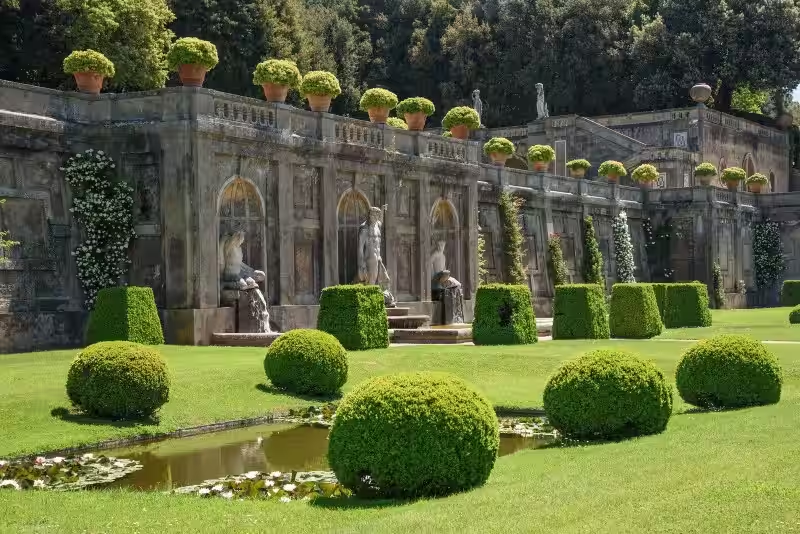
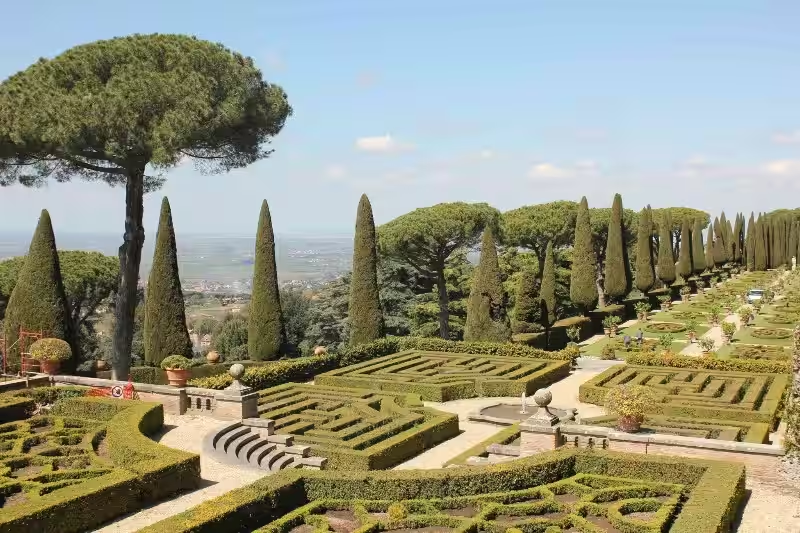
The renowned gardens of Villa Barberini are more than just meticulously manicured landscapes; they are sacred spaces designed to reflect the beauty of creation and foster a sense of peace, a crucial element for religious contemplation. The careful design, with its fountains, sculptures, and diverse flora, creates an atmosphere of tranquility that invites introspection and a deeper connection with the natural world, often seen as a tangible manifestation of the divine.
Imagine walking along shaded pathways, the gentle murmur of fountains providing a soothing soundtrack, while ancient trees offer a canopy of green. This is the experience of the gardens at Villa Barberini, a place where one can meditate on the wonders of God’s creation. The religious symbolism can be found even in the arrangement of the plants and the presence of statues of saints and biblical figures, transforming the gardens into an outdoor sanctuary for prayer and spiritual renewal. The very act of tending to these gardens, a constant process of cultivation and care, mirrors the ongoing work of nurturing one’s faith.
Modern Relevance: Villa Barberini Today and Its Enduring Spiritual Role
While the Popes no longer reside permanently at Villa Barberini in Castel Gandolfo, its religious significance has not diminished. The Vatican Apostolic Palace of Castel Gandolfo, which encompasses the former papal summer residence, now serves as a museum and a public space, allowing visitors to experience its historical and spiritual grandeur firsthand. This accessibility ensures that the legacy of faith associated with Villa Barberini continues to inspire.
The Gardens of Villa Barberini are now open to the public, offering a unique opportunity to walk in the footsteps of Popes and immerse oneself in the beauty that has long fostered spiritual reflection. This opening allows a wider audience to appreciate the intertwined nature of art, nature, and religion that defines this remarkable estate. Visiting Villa Barberini today is not just a historical excursion; it’s an invitation to connect with a place where faith has been nurtured and celebrated for centuries, a testament to the enduring power of sacred spaces in a modern world.
Frequently Asked Questions: Villa Barberini & Religion
What is the significance of Villa Barberini in relation to religion?
Villa Barberini is historically linked to the Papal State and the Catholic Church. It was once a summer residence for Popes and is now part of the Vatican Museums. Its historical ownership and use by the Holy See underscore its religious significance, particularly for Catholicism.
Are there chapels or places of worship within Villa Barberini?
While the villa itself is primarily a historical residence and a museum space, its connection to the Papal administration means that within the broader Vatican domain, there are numerous chapels and places of worship. However, specific chapels within the publically accessible areas of Villa Barberini are not a primary feature for general visitors.
Can visitors attend religious services at Villa Barberini?
Villa Barberini is primarily an archaeological and historical site, accessible through guided tours as part of the Vatican Museums. Religious services are not regularly held or accessible to the public within the villa itself. For religious services, visitors would need to attend churches or basilicas within Vatican City or Rome.
Does the art and architecture of Villa Barberini reflect religious themes?
Yes, as a former Papal residence, the art and architecture within Villa Barberini often reflect the tastes and patronage of the Popes and cardinals who resided there. This can include religious motifs, allegorical representations, and decorative elements common in ecclesiastical art and architecture of the respective periods.
Is Villa Barberini still used for religious purposes today?
While it is no longer a functioning summer residence for the Pope, Villa Barberini remains an integral part of the Vatican Museums. Its preservation and presentation are overseen by the Vatican, continuing its association with the Holy See and its role in safeguarding cultural and historical heritage connected to the Church.