The Serene Majesty of Villa Barberini: A Sanctuary of Faith and Art
Nestled amidst the rolling hills overlooking the shimmering waters of Lake Albano, Villa Barberini in Castel Gandolfo stands not merely as a picturesque estate, but as a profound testament to centuries of faith, art, and the spiritual governance of the Catholic Church. This magnificent villa, part of the larger Papal Palace complex, offers a unique glimpse into a world where religion intertwines seamlessly with breathtaking natural beauty and exquisite human artistry. For generations, it has served as a cherished summer retreat for Popes, a place of respite and contemplation away from the bustling heart of Rome. The very air within its walls seems imbued with a sense of peace, a serenity that has nurtured the spiritual lives and pastoral duties of those who have called it home, even if only for a season.
Exploring Villa Barberini is like stepping into a living history book, where every fresco, every sculpted garden, and every carefully manicured hedge whispers tales of faith and devotion. It’s a place that invites introspection, a gentle reminder of the enduring power of belief and the artistic expressions it has inspired. The sheer scale and meticulous detail of the villa’s design speak volumes about the importance placed upon creating a space that was both beautiful and conducive to prayer and reflection, a true sanctuary for the Vicar of Christ. The connection between the religious significance of the location and its aesthetic grandeur is undeniable, creating an atmosphere that is both awe-inspiring and deeply personal.
A Haven for Papal Reflection and Spiritual Renewal
The very essence of Villa Barberini in Castel Gandolfo is intrinsically linked to its role as a Papal summer residence, a place where Popes could escape the rigil routines of Vatican City and find solace and inspiration. Imagine Pope Pius XII, during the turbulent years of World War II, finding refuge and strength within these very grounds, perhaps gazing out at the tranquil lake while contemplating the immense challenges facing the world. This villa has been a silent witness to pivotal moments in religious history, a backdrop for personal prayer, theological reflection, and the quiet discernment of God’s will. It’s a space designed for the soul, a sanctuary where the weight of spiritual leadership could be momentarily lightened by the embrace of nature and the quietude of its sacred halls.
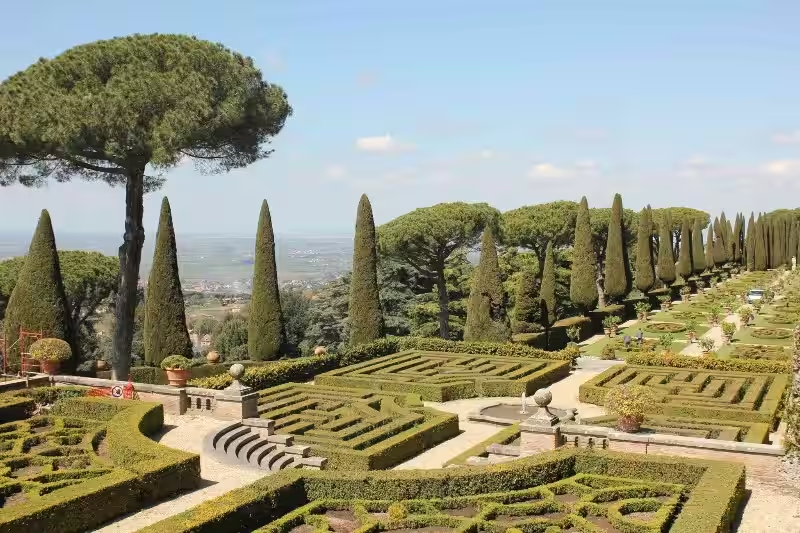
The gardens of Villa Barberini are more than just beautiful landscapes; they are often seen as a metaphor for the cultivation of the spirit. With their meticulously planned layouts, fragrant blooms, and serene water features, they offer a tangible representation of the spiritual journey. Each pathway, each secluded bench, provides an opportunity for prayer and meditation, fostering a deep connection with the divine. This integration of nature and religion is a hallmark of many sacred spaces, and Villa Barberini excels in its ability to create an environment that nourishes both the body and the soul, allowing for profound spiritual renewal amidst unparalleled beauty.
The Artistic Tapestry of Faith Woven into Villa Barberini
Within the walls of Villa Barberini, an extraordinary collection of art serves as a visual catechism, each piece imbued with religious meaning and artistic mastery. From intricate stucco work depicting biblical scenes to vibrant frescoes that tell stories of saints and martyrs, the villa is a veritable gallery of faith. These artistic expressions were not merely decorative; they were intended to instruct, inspire, and deepen the faith of those who beheld them. For Popes and their guests, these artworks provided a constant reminder of the rich heritage of Christian tradition and the enduring power of divine love. The careful curation and preservation of these treasures underscore the profound respect held for the intersection of art and religion.
Consider the impact of walking through rooms adorned with the works of master artists, each brushstroke a deliberate act of devotion. These are not just beautiful objects; they are windows into the spiritual lives of past generations, offering a tangible connection to the historical narrative of the Catholic Church. The artistry found at Villa Barberini serves as a powerful reminder that faith can be expressed in countless ways, from the grand pronouncements of doctrine to the quiet beauty of a perfectly rendered angel. It’s a testament to how human creativity, when guided by religion, can create spaces that are both aesthetically breathtaking and spiritually uplifting, fostering a deeper understanding and appreciation of the sacred.
Nature as a Divine Cathedral: The Gardens of Villa Barberini
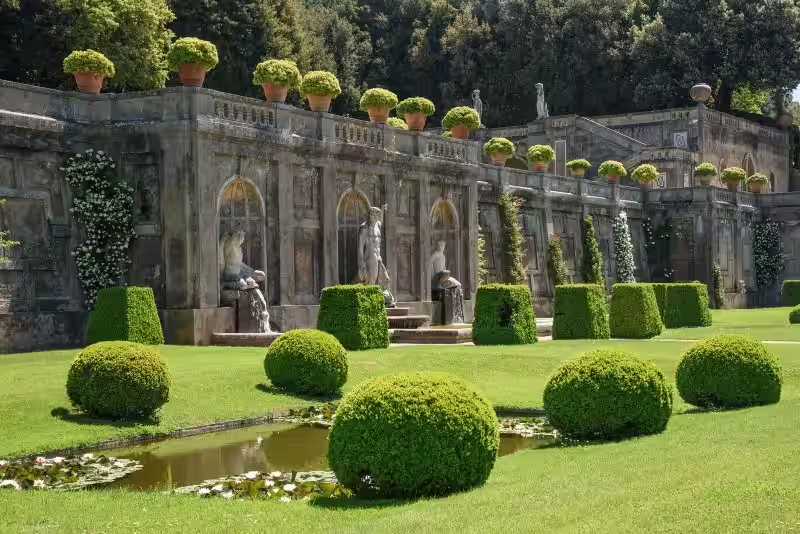
The expansive gardens surrounding Villa Barberini in Castel Gandolfo are an integral part of its spiritual allure. Far from being mere ornamental spaces, they are conceived as extensions of the villa’s sacred purpose, offering a sanctuary where one can commune with nature and, by extension, with the divine. The meticulously sculpted hedges, the ancient trees, and the fragrant flowerbeds create a living tapestry that reflects the order and beauty of God’s creation. Walking through these grounds, one can easily understand why they have been a favored place for contemplation and prayer for Popes throughout history. The gentle rustling of leaves, the distant songs of birds, and the panoramic views of the surrounding landscape all contribute to an atmosphere of profound peace and spiritual connection.
These gardens are not static; they are in constant, graceful flux, mirroring the seasons and the cyclical nature of life, a powerful metaphor for spiritual growth and renewal. Imagine Pope John Paul II finding solace here, perhaps pausing by a fountain to reflect on his pastoral journeys or meditating on the enduring presence of God in the natural world. The integration of water features, such as fountains and ponds, further enhances the serene atmosphere, often symbolizing purity and the flow of divine grace. The dedication to maintaining these gardens, a significant undertaking, highlights their importance as a place where the intersection of religion, beauty, and nature creates a truly sacred environment.
The Enduring Legacy of Villa Barberini and its Religious Significance
The enduring legacy of Villa Barberini in Castel Gandolfo extends far beyond its architectural splendor or its natural beauty; its true significance lies in its unwavering connection to the religious life of the Catholic Church. For centuries, this estate has been more than just a summer residence; it has been a place of spiritual rejuvenation, a silent witness to prayer, and a haven for the highest office of the Church. The very stones of the villa seem to resonate with the echoes of countless prayers offered, of theological discussions held, and of moments of profound spiritual insight experienced by its illustrious occupants. Its role as a place of respite has allowed Popes to return to their demanding duties in Rome with renewed vigor and clarity, a testament to the power of sacred space.
Today, as part of the Vatican Museums, Villa Barberini opens its doors to a wider audience, allowing individuals from all walks of life to experience its unique blend of history, art, and spirituality. This accessibility is crucial, as it offers a tangible connection to the religious heritage of the past and inspires a deeper appreciation for the role of faith in shaping human experience. Visitors can walk the same paths, admire the same art, and perhaps even feel a whisper of the same serenity that has so profoundly impacted the leaders of the Catholic Church. The villa stands as a powerful reminder that even in the midst of worldly affairs, spaces dedicated to reflection, faith, and beauty remain essential for nurturing the human spirit.
Frequently Asked Questions: Villa Barberini and Religion
What is the religious significance of Villa Barberini?
Villa Barberini, located in Castel Gandolfo, holds significant religious importance primarily due to its proximity and historical connection to the Papal Summer Residence, the Apostolic Palace of Castel Gandolfo. While the villa itself is not a religious institution, its history is deeply intertwined with the Papacy.
Is Villa Barberini a church or a place of worship?
No, Villa Barberini is not a church or a dedicated place of worship. It is a historical villa and gardens that were historically part of the Papal Estate. Visitors can tour the meticulously maintained gardens and the villa’s interiors, which offer insights into the lives and activities of Popes.
Can I attend religious services at Villa Barberini?
Religious services are not typically held at Villa Barberini as it is primarily an attraction for historical and cultural tourism. The Apostolic Palace, which is adjacent to the gardens of Villa Barberini, has a chapel, and religious events may occasionally occur there, but these are usually not open to the general public or advertised as part of the villa’s visitor experience.
What is the relationship between Villa Barberini and the Catholic Church?
Villa Barberini was historically part of the extended Papal Estate. It was acquired by Cardinal Francesco Barberini in the 17th century and later became part of the Vatican’s possessions. The gardens are now accessible to the public through guided tours organized by the Vatican Museums, offering a unique glimpse into the historical summer retreat of the Popes.
Are there any specific religious artifacts or relics at Villa Barberini?
While Villa Barberini is considered a significant part of the Vatican’s historical holdings, it is primarily known for its art, architecture, and extensive gardens. It does not typically house major religious relics or artifacts in the same way a museum or a church might. The focus of the visit is on the historical and aesthetic aspects of the Papal summer residence.