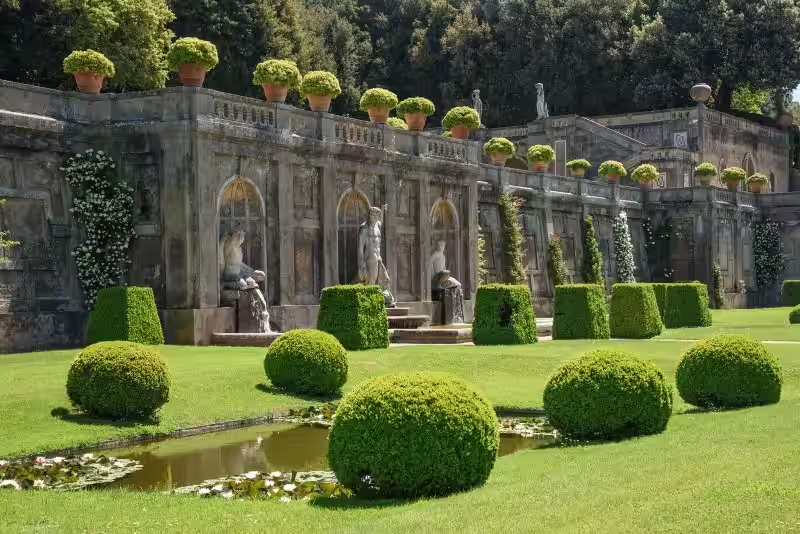
Beyond the grandeur of St. Peter’s Basilica and the hallowed halls of the Vatican lies a realm of tranquility often overlooked by casual visitors: the papal gardens. These verdant expanses are not merely decorative landscapes; they are deeply intertwined with the spiritual life of the papacy and offer profound insights into the enduring themes of religion. Imagine stepping away from the bustling crowds, the weight of history pressing in, and finding yourself bathed in the soft glow of sunlight filtering through ancient olive trees. This is the transformative experience that awaits within the walls of the papal gardens, a place where nature’s beauty becomes a profound metaphor for divine grace and the cyclical rhythm of faith.
For centuries, these gardens have served as a private retreat for the Popes, a space for contemplation, prayer, and a quiet communion with God. They are a testament to the belief that even amidst the complexities of leading a global faith, moments of peace and reflection are essential. The carefully cultivated flora, the soothing murmur of fountains, and the panoramic views all contribute to an atmosphere conducive to spiritual renewal. Understanding the papal gardens is to understand a vital, yet often hidden, dimension of the Vatican’s spiritual heart.
A Living Tapestry: Nature as a Divine Metaphor in the Papal Gardens
The papal gardens are a masterclass in using the natural world to illustrate theological truths. Each bloom, each carefully pruned shrub, can be interpreted as a symbol of faith’s growth and renewal. Consider the vibrant colors of the roses, often seen as representing the Passion of Christ or the purity of the Virgin Mary. The sturdy resilience of ancient cypress trees, reaching towards the heavens, can evoke the steadfastness of belief and the eternal nature of God. These are not abstract concepts; they are tangible elements within the papal gardens, offering a visual sermon to those who walk its paths.
The very act of tending to a garden, with its cycles of planting, nurturing, and harvesting, mirrors the spiritual journey of a believer. Just as a gardener must patiently weed, water, and prune, so too must individuals cultivate their faith, removing distractions and fostering virtues. The papal gardens embody this ongoing process, a constant reminder that spiritual development is an active and continuous endeavor. The diverse collection of plants, from medicinal herbs to ornamental flowers, further hints at the richness and variety of God’s creation, each element playing its unique role in the grand design.
The Genesis of Serenity: Historical Roots of the Papal Gardens
The origins of the papal gardens stretch back centuries, with early Popes recognizing the therapeutic and spiritual benefits of cultivated green spaces within the Vatican walls. While the modern iteration is a grand testament to horticultural artistry, the fundamental purpose has remained consistent: to provide a sanctuary for prayer and contemplation. Early papal residences, even before the Avignon Papacy, featured gardens that were integral to the monastic and spiritual life of the clergy. These were not just aesthetic enhancements but spaces designed for meditation and the quiet pursuit of divine wisdom.
Over time, these initial plots evolved into the magnificent papal gardens we see today, a blend of Renaissance Italian landscaping and more contemporary horticultural innovations. Popes throughout history have left their mark, commissioning specific features or sections that reflect their personal devotions or theological interests. This historical layering means that walking through the papal gardens is akin to traversing a living timeline of papal spirituality, each corner whispering stories of faith, leadership, and the enduring human connection to the divine.
More Than Just Greenery: The Functional Role of the Papal Gardens in Religious Life
The papal gardens are far from being mere botanical displays; they serve crucial functions within the daily life of the papacy and the broader context of the Catholic Church. They are often the setting for intimate prayer services, quiet meetings, and moments of personal reflection away from the public eye. Imagine a Pope finding solace amidst the azaleas before a significant address, or engaging in a heartfelt conversation about matters of faith in the dappled shade of an ancient oak. These are the unspoken rituals that imbue the papal gardens with their profound significance.
Furthermore, the papal gardens can be seen as a tangible representation of the Church’s commitment to stewardship of creation. The meticulous care given to the gardens, the preservation of natural beauty, and the cultivation of diverse plant life all speak to a respect for the Earth as a gift from God. This aligns with the Church’s teachings on environmental responsibility, demonstrating that faith is not solely concerned with the spiritual realm but also with our relationship to the physical world. The papal gardens thus become a microcosm of this broader ethical and theological imperative.
Sacred Spaces Within Sacred Spaces: Specific Features and Their Religious Symbolism
Within the expansive papal gardens, numerous specific features hold deep religious meaning. The iconic fountains, for instance, are not just decorative elements but often symbolize the living waters of faith and the purification of the soul. The sound of running water can be incredibly meditative, fostering a sense of peace and drawing parallels to biblical passages that speak of rivers of living water flowing from Christ. These aquatic elements are strategically placed to enhance the tranquility and spiritual atmosphere of the papal gardens.
Another significant feature is the presence of religious statues and grottoes. These often depict scenes from the life of Christ, the Virgin Mary, or various saints, serving as focal points for prayer and meditation. A secluded grotto, perhaps dedicated to Our Lady of Lourdes, offers a private space for individuals to connect with the divine through intercession and contemplation. The careful placement and artistic design of these religious symbols within the papal gardens transform the landscape into a sacred narrative, inviting personal devotion and reflection on core tenets of faith.
The Papal Gardens in the Modern Era: A Legacy of Peace and Reflection
Even in our fast-paced, interconnected world, the papal gardens retain their vital role as a sanctuary for peace and reflection. While the Pope’s duties are more demanding than ever, the need for a space to reconnect with God amidst the storms of life remains paramount. The papal gardens offer this essential respite, a quiet haven where spiritual grounding can be found. They serve as a constant reminder that amidst the pronouncements and global responsibilities, the personal, intimate relationship with God is the bedrock of faith.
For visitors who have the opportunity to experience them, the papal gardens offer a profound lesson in finding the sacred in the everyday. They teach us that beauty, tranquility, and nature can be powerful conduits to spiritual understanding. The enduring legacy of these papal gardens is their ability to inspire awe, foster contemplation, and remind us all of the profound connection between the material world and the divine, a testament to the timeless power of faith and the enduring significance of these serene spaces in the heart of the Vatican.
Frequently Asked Questions about the Papal Gardens
What are the Papal Gardens?
The Papal Gardens, officially known as the Gardens of Vatican City, are the manicured grounds surrounding the Apostolic Palace in Vatican City. They are a significant portion of the Vatican’s territory and are renowned for their beauty, historical significance, and spiritual atmosphere.
What religions are associated with the Papal Gardens?
The Papal Gardens are intrinsically linked to the Catholic religion. They are the private gardens of the Pope, the head of the Catholic Church, and are located within the sovereign territory of Vatican City, the spiritual and administrative headquarters of Catholicism.
Can anyone visit the Papal Gardens?
Access to the Papal Gardens is generally restricted. They are primarily for the Pope’s personal use and contemplation. However, guided tours are available on certain days and at specific times, offering a limited opportunity for visitors to experience their beauty and tranquility. These tours often require advance booking.
What can I expect to see in the Papal Gardens?
The gardens feature a diverse array of attractions, including meticulously maintained lawns, sculpted hedges, ancient trees, fountains, statues, and several significant structures such as the Casina di Pio IV and the Grotto of Lourdes. They are designed to be a space for reflection and prayer.
Are there any religious symbols or sites within the Gardens?
Yes, the Papal Gardens contain numerous religious symbols and sites that reflect their Catholic heritage. These include statues of saints, representations of biblical scenes, and chapels, all contributing to the spiritual ambiance of the gardens. The Grotto of Lourdes is a notable replica of the famous shrine in France.
How do the Papal Gardens relate to the Pope’s role in the Catholic Church?
The gardens serve as a private sanctuary for the Pope, providing a space for prayer, meditation, and relaxation away from his official duties. They are a place where he can connect with nature and reflect on his spiritual responsibilities as the leader of the Catholic Church.