For millennia, the humble grapevine and its intoxicating fruit have been intertwined with humanity’s spiritual journey. From ancient rituals to modern celebrations, wine has held a profound and often sacred place in the human experience. This article delves into the multifaceted relationship between scripture, wine, and religion, exploring how these interconnected threads have shaped beliefs, practices, and our understanding of the divine. We’ll uncover the surprisingly diverse ways scripture speaks about wine, moving beyond simplistic interpretations to appreciate its symbolic depth and practical significance in various religious traditions.
The aroma of fermented grapes, the warmth spreading through the body, the conviviality it fosters – wine has a power that transcends mere intoxication. It’s a symbol of abundance, joy, sacrifice, and even the very essence of spiritual communion. By examining key biblical passages and exploring the historical and cultural contexts surrounding them, we can gain a richer appreciation for the enduring presence of wine in the religious landscape. This exploration isn’t about advocating for or against its consumption, but rather about understanding its scriptural resonance and how it continues to inform our spiritual lives and reflections.
From Ancient Harvests to Divine Blessings: Wine’s Scriptural Genesis
The very dawn of recorded history sees wine present. Long before the codified texts we recognize as scripture today, wine was a staple of life in the ancient Near East. It was a source of sustenance, a trade commodity, and an integral part of celebratory feasts. This deeply ingrained cultural presence naturally found its way into the foundational narratives and teachings of religious traditions. Early scriptures acknowledge wine not as an anomaly, but as a gift of the land, a testament to God’s provision and the bounty of creation. This initial portrayal sets the stage for a nuanced understanding, one that recognizes its potential for both blessing and misuse.
The book of Genesis, for instance, paints an early picture of wine’s significance. While not explicitly detailed in every instance, the mention of Noah planting a vineyard after the flood (Genesis 9:20) suggests its immediate re-emergence as a vital element of human civilization and sustenance. This early association with a fresh start, a new beginning for humanity, imbues wine with a sense of renewal and hope. It was a sign that life, and its accompanying joys and sustenance, would continue to flourish. This inherent connection to life’s cycles and God’s enduring favor forms the bedrock of its scriptural presence.
The Dual Nature: Wine as a Symbol of Joy and Warning
Scripture doesn’t shy away from the dual nature of wine. It is celebrated as a symbol of joy, prosperity, and divine favor, yet simultaneously cautioned against its potential for excess and ruin. This balanced perspective is crucial to understanding its scriptural portrayal. When the Psalmist declares, “You make the heart glad with wine, and oil to make the face shine” (Psalm 104:15), it speaks to the positive, life-affirming aspects of wine. This is the wine that blesses gatherings, enhances celebrations, and brings a sense of well-being and contentment, often seen as a reflection of God’s good gifts.
However, the cautionary notes are equally prominent. Proverbs, in particular, offers stark warnings against the seductive power of strong drink. Passages like “Wine is a mocker, strong drink a brawler, and whoever is led astray by it is not wise” (Proverbs 20:1) serve as a potent reminder of the dangers of intemperance. This isn’t a condemnation of wine itself, but rather a plea for wisdom and self-control. The scriptures acknowledge that while wine can lift the spirit, unchecked indulgence can lead to downfall, poor judgment, and social discord. This duality highlights the importance of discernment and responsible stewardship in all aspects of life, including our relationship with consumables.
Wine in Worship: Sacraments, Symbols, and Sacred Meals
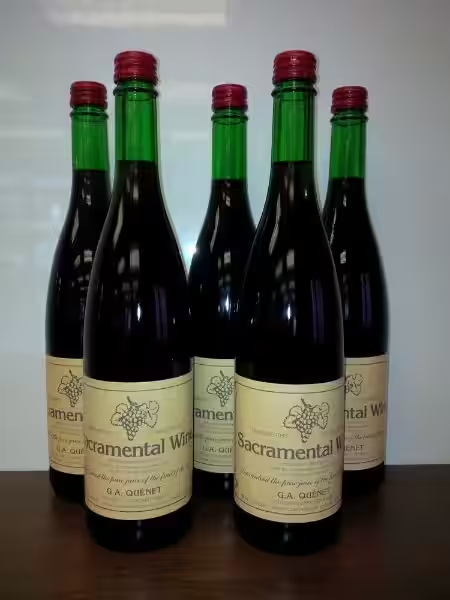
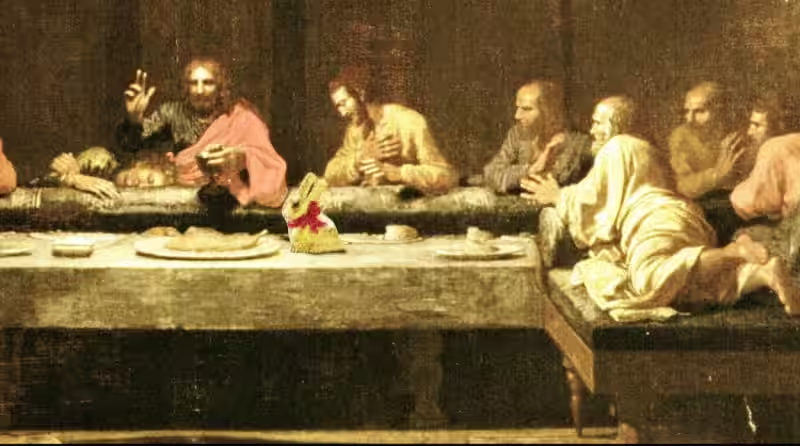
Perhaps the most profound and enduring connection between wine and religion is found in its role within sacred rituals and sacraments. In Christianity, the Last Supper, as recounted in the Gospels, is a pivotal moment where Jesus institutes the Eucharist, or Holy Communion. He took a cup and said, “This cup is the new covenant in my blood, which is poured out for you” (Luke 22:20) and “Drink from it, all of you. This is my blood of the covenant, which is poured out for many for the forgiveness of sins” (Matthew 26:27-28). In this context, wine transcends its physical properties to become a powerful symbol of sacrifice, redemption, and the New Covenant between God and humanity.
This sacred meal is not merely a symbolic reenactment; for many, it is a tangible encounter with the divine. The wine, representing Christ’s blood, is understood to convey spiritual nourishment, forgiveness, and a deepening of faith for those who partake with a believing heart. Beyond Christianity, other traditions have also incorporated wine into their worship. For example, in some forms of Jewish observance, wine is central to the Passover Seder, where four cups are drunk to commemorate the Exodus from Egypt, each cup symbolizing a different aspect of God’s promise of redemption. This demonstrates how, across different faiths, wine can act as a conduit for remembrance, thanksgiving, and spiritual connection.
From Daily Bread to Special Occasions: Wine in Everyday Faith
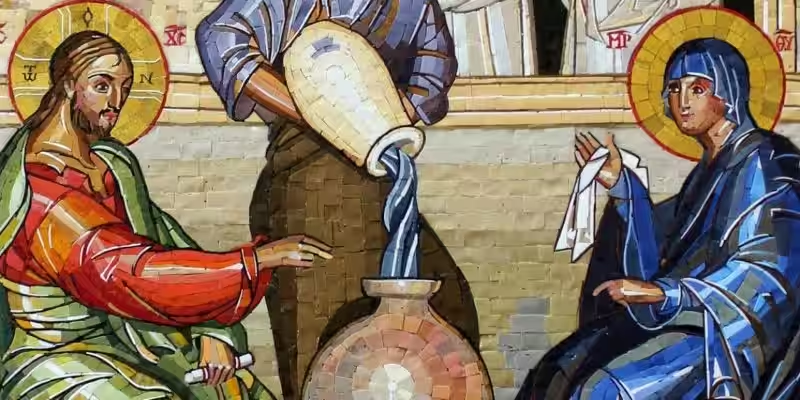
The presence of wine in scripture isn’t confined to grand theological pronouncements or solemn rituals. It also appears in more everyday contexts, illustrating its integration into the fabric of daily life and the expression of faith. Consider the imagery of wedding celebrations where Jesus performed his first miracle, turning water into wine at the wedding in Cana (John 2:1-11). This act, often interpreted as a blessing on human relationships and earthly joys, highlights wine’s association with happiness, abundance, and the good things God provides for his people.
Furthermore, scripture often uses wine-related imagery to convey spiritual truths. The Apostle Paul, in his letter to the Ephesians, encourages believers to “be filled with the Spirit, speaking to one another with psalms, hymns, and songs from the Spirit. Sing and make music in your heart to the Lord” (Ephesians 5:18-19). While not directly about wine, this passage evokes a sense of joyful intoxication, but with the Spirit, suggesting a form of spiritual exhilaration that is both profound and edifying. This metaphorical use of wine as a descriptor for spiritual fullness and divine presence underscores its deep-seated association with positive, uplifting experiences.
Navigating the Nuances: Modern Interpretations and Personal Faith
In our modern world, the scriptural references to wine can sometimes spark debate and varying interpretations. For some, the passages celebrating wine’s joyfulness are paramount, leading to a belief that moderate consumption is perfectly compatible with a faithful life. They might point to verses that speak of wine as a gift that “makes the heart glad” as a testament to God’s desire for his people to experience joy and abundance. For them, responsible enjoyment is key, and the focus remains on the positive aspects of this ancient beverage.
Conversely, others, particularly within certain Christian denominations, hold a more abstinent view, emphasizing the warnings against drunkenness and the potential for falling into sin through alcohol. They may focus on the potential for addiction and the negative societal consequences associated with excessive drinking, viewing abstinence as a more prudent and spiritually secure path. Ultimately, navigating these scriptural passages in the 21st century often comes down to individual conscience, personal conviction, and a prayerful consideration of what it means to live a life guided by faith and wisdom. The scriptures provide a rich tapestry of perspectives, inviting each believer to seek understanding and apply timeless principles to their own lives.
Yes, wine is mentioned numerous times throughout the Bible, appearing in both the Old and New Testaments. It is depicted in various contexts, including celebrations, meals, and as a symbol.
What are some positive portrayals of wine in scripture?
Wine is often associated with joy, celebration, and God’s blessings. For example, Psalm 104:15 mentions wine that gladdens the heart, and Proverbs 3:10 speaks of overflowing harvests of grain and new wine. Jesus also used wine in the institution of the Lord’s Supper (Matthew 26:26-29) and in His first miracle, turning water into wine at a wedding in Cana (John 2:1-11).
Are there any warnings about wine in the Bible?
Yes, scripture also warns against the misuse and excess of wine. Proverbs 20:1 states that “Wine is a mocker, strong drink is a brawler, and whoever is led astray by it is not wise.” Ephesians 5:18 advises believers not to get drunk on wine, but to be filled with the Spirit.
What is the Christian perspective on drinking wine?
Christian views on consuming alcohol, including wine, vary. Some interpret biblical passages as allowing for moderate consumption, while others advocate for abstinence due to concerns about the potential for abuse and the impact on oneself and others. The emphasis is often placed on responsible behavior, self-control, and avoiding actions that could cause stumbling for fellow believers or bring dishonor to God.
Does scripture prohibit drinking alcohol entirely for Christians?
While scripture warns extensively against drunkenness and the negative consequences of excessive alcohol consumption, it does not explicitly mandate total abstinence for all believers in all circumstances. The focus is on the state of being controlled by wine versus being controlled by the Holy Spirit (Ephesians 5:18).