The story of the Cana wedding, a pivotal event in the Gospels, resonates deeply with couples embarking on their own journey of marriage, particularly those who wish to imbue their union with profound religious significance. More than just a miraculous turning of water into wine, the wedding at Cana symbolizes the divine blessing on marriage, the transformation of the ordinary into the extraordinary, and the enduring presence of faith in our most joyous celebrations. For many, contemplating a Cana wedding is not merely about a theme; it’s about embracing a spiritual foundation for their lifelong commitment.
This ancient narrative, found in the Gospel of John, offers a powerful message that transcends time and culture. It speaks to the hopes and dreams of every couple, reminding us that even in the midst of life’s potential challenges, divine grace can elevate our experiences to new heights. The wedding at Cana serves as a beautiful metaphor for the Sacrament of Matrimony, where two lives are joined, and a new covenant is blessed by God. Understanding the deeper meaning behind this biblical event can profoundly enrich the planning and experience of a wedding rooted in faith.
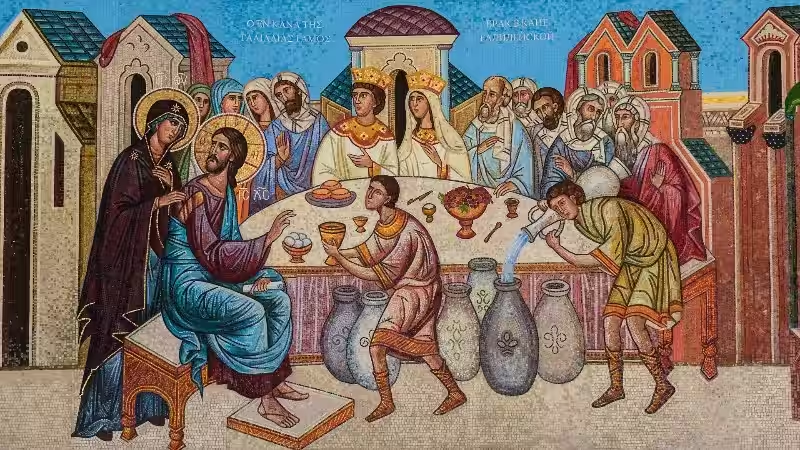
The narrative of the Cana wedding unfolds with a seemingly simple problem: the wine ran out. This is a relatable scenario for any host, a moment of potential embarrassment and disappointment. However, it was at this crucial juncture that Jesus, at the request of his mother Mary, performed his first public miracle. He instructed the servants to fill six large stone jars with water, and when they drew some out, it had been transformed into the finest wine. This act, while appearing to solve a social faux pas, held immense theological weight.
This miracle at the Cana wedding is often interpreted as a sign of God’s abundance and generosity. Jesus didn’t just replace the depleted wine; he provided an exceptional quality, suggesting that divine intervention elevates our lives beyond mere necessity. It highlights the concept that God desires joy and celebration for his people, and that marriage, as a sacred union, is a prime occasion for such blessings. The presence of Jesus and Mary at the wedding signifies their endorsement and sanctification of the marital bond.
The Role of Mary and Jesus at the Wedding
Mary’s gentle prompting of Jesus – “They have no wine” – is a testament to her compassionate nature and foresight. Her intercession, even before Jesus’ public ministry had fully begun, demonstrates her role as a powerful advocate for humanity. She understood the significance of the occasion and the potential for a joyous celebration to be marred by a lack of hospitality. Her quiet confidence in Jesus’ ability to intervene is a profound lesson in faith for all who seek God’s help in their lives.
Jesus’ response, initially seemingly hesitant (“My hour has not yet come”), ultimately shows his obedience to his mother and his willingness to reveal his glory. The miracle at the Cana wedding was the first “sign” that revealed his divinity, leading his disciples to believe in him. This underscores the idea that faith is often sparked and strengthened through acts of grace and love, particularly within the context of human relationships and significant life events like marriage.
Incorporating the Cana Wedding Theme into Your Ceremony and Reception
For couples desiring a Cana wedding, the theme can be woven throughout various aspects of their celebration, offering a beautiful and meaningful way to honor their faith. This isn’t about literal reenactments, but about drawing inspiration from the spirit of the event. Think about how to infuse the joyous atmosphere, the theme of transformation, and the divine blessing into your special day. The key is to make it personal and reflective of your beliefs.
From the invitations to the décor, and even the menu, there are numerous opportunities to subtly nod to the wedding at Cana. Consider incorporating elements that symbolize abundance, transformation, and celebration. The goal is to create an atmosphere that feels both deeply spiritual and joyfully festive, echoing the spirit of that original transformative occasion. A Cana wedding can be a deeply personal and spiritually enriching experience.
Symbolic Elements for a Cana Wedding
Decorations: Imagine using elegant stone jars as part of your centerpiece arrangements, perhaps filled with beautiful flowers or greenery. You might also incorporate elements of grapevines and wine-colored hues into your color palette. Consider using blue and white prominently, symbolizing water and purity, alongside richer tones of red and gold. These visual cues can serve as gentle reminders of the miracle.
Ceremony: Many couples choose to have their ceremony at a church or a venue that holds spiritual significance. You might include readings from the Gospel of John or other scriptures that speak of God’s love and blessings on marriage. A special prayer for the couple, invoking the intercession of Mary and the grace of Christ, would be fitting. The exchange of vows itself is a profound act of covenant, mirroring the divine promises. A celebrant can also offer a homily that draws parallels between the Cana wedding and the sacrament of matrimony.
Reception: At the reception, the symbolism can be more playful yet meaningful. Instead of just serving wine, consider offering a variety of high-quality wines, perhaps even featuring a special toast with a wine that has personal significance. A creative way to honor the miracle could be to have a signature drink that subtly references the “water into wine” transformation. Think about serving a non-alcoholic “wine” that is equally celebratory, ensuring inclusivity for all guests. The emphasis is on abundance and shared joy.
Menu and Favors Inspired by Cana
When planning your menu, drawing inspiration from the region of Galilee, where Cana is located, can add an authentic touch. Think about fresh, seasonal ingredients and dishes that evoke a sense of festive gathering. You might include dishes that feature grapes or wine as an ingredient, such as a delicious wine-braised chicken or a fruit salad with a wine reduction. The hospitality extended at the Cana wedding should inspire a desire to provide your guests with a memorable culinary experience.
Wedding favors can also carry the theme forward. Consider small bottles of olive oil, a staple of the Mediterranean diet and a symbol of anointing and blessing, or beautifully crafted wine stoppers or miniature wine bottles. Another idea is to offer small bags of grape seeds with a tag that reads, “Planting the seeds of our love.” These small tokens serve as tangible reminders of the blessings and the enduring spirit of your Cana wedding.
Theological Significance for Modern Marriages
The wedding at Cana offers a profound theological insight for contemporary couples. It reassures us that God is not an aloof observer of our lives but an active participant in our joys and celebrations. The presence of Jesus at the wedding signifies that marriage is not merely a social contract but a sacred institution, blessed and sanctified by God himself. This divine endorsement provides a solid foundation of faith upon which a marriage can be built, offering strength and guidance through all seasons of life.
Furthermore, the miracle at Cana speaks to the transformative power of faith. Just as water was turned into the finest wine, our lives, when infused with God’s grace, can be transformed. The challenges and ordinary moments of married life can be elevated, becoming opportunities for deeper connection, growth, and divine encounter. A Cana wedding is a declaration that couples are inviting this transformative power into their union from the very beginning.
Marriage as a Covenant Blessed by God
Theological perspectives consistently highlight marriage as a covenant, a solemn promise made not only between two individuals but also before God. The wedding at Cana powerfully illustrates this divine sanction. Jesus’ participation and the miracle serve as a visible sign that God is present and actively blessing this union. This understanding can provide immense comfort and strength, reminding couples that they are not alone in their journey, but supported by divine love and commitment.
This covenantal understanding is crucial. It means that the promises made on the wedding day are not simply words, but sacred commitments that God witnesses and upholds. The Cana wedding narrative encourages couples to view their marriage through this lens of divine partnership, fostering a deeper sense of commitment and reliance on God’s grace to navigate the complexities of married life. It’s about building a life together, with God as the ultimate witness and source of strength.
Abundance, Joy, and Divine Presence
The wine at the Cana wedding was not just adequate; it was described as the best. This speaks volumes about God’s desire for abundance in our lives, especially within the context of marriage. It’s not about a scarcity mentality, but about embracing the richness and joy that a divinely blessed union can bring. This abundance can manifest in many ways: in deep love, shared laughter, mutual support, and the capacity to overcome challenges together.
The enduring message of the wedding at Cana is one of hope, faith, and the assurance of divine presence. It reminds us that even when life’s “wine” runs low, God’s grace is capable of transforming our circumstances, bringing forth joy and celebration. For couples planning a wedding, embracing the spirit of the Cana wedding is a beautiful way to begin their married life with a profound understanding of God’s love and a commitment to a faith-filled journey together.
A Cana Wedding refers to a wedding ceremony that takes place at the traditional site of the Miracle of Cana in Galilee, Israel, where Jesus is said to have performed his first public miracle by turning water into wine at a wedding feast. Many couples choose to have their wedding ceremony, a renewal of vows, or a blessing performed at this sacred location.
Can non-Catholics have a wedding ceremony at Cana?
While the Catholic Church officiates weddings at the shrine, couples of other Christian denominations can often have their vows renewed or a blessing ceremony performed at Cana. It’s essential to contact the specific shrine or a local wedding planner in Israel to confirm eligibility and available options.
What are the religious requirements for a wedding at Cana?
For a Catholic wedding ceremony at the shrine, both the bride and groom typically need to be baptized Catholics. They will also need to fulfill the usual requirements for a Catholic wedding, which include attending pre-cana classes and obtaining the necessary documentation from their home parishes. For vow renewals or blessings, requirements may be more flexible.
What does a typical Cana Wedding ceremony involve?
A typical ceremony at Cana often includes a religious service, usually led by a priest. It can be a full wedding, a vow renewal, or a blessing. Many couples incorporate elements of prayer, scripture readings, and symbolic gestures. The ceremony is often held within the church or a designated area at the shrine.
How do I book or arrange a wedding at Cana?
To arrange a wedding or vow renewal at Cana, it’s recommended to contact the Franciscan Custody of the Holy Land or a reputable wedding planner specializing in Holy Land tours and events. Early booking is highly advised due to the popularity of the site.
Can I have a reception after a wedding ceremony at Cana?
While the ceremony itself is at the shrine, receptions are typically held at separate venues in the surrounding area or in other cities in Israel, such as Nazareth or Tiberias. Wedding planners can assist in finding and booking suitable reception locations.
What is the significance of getting married at Cana?
Getting married or renewing vows at Cana holds deep religious significance for Christian couples. It symbolizes their commitment to their faith and their marriage, drawing inspiration from the miracle of Jesus’ first public sign, which blessed a wedding feast and is seen as a testament to the sanctity of marriage.