The humble grape, transformed through fermentation, holds a profound and multifaceted significance across the tapestry of human religion. More than just a beverage, sacrament wine has been a central element in countless sacred rites, a conduit for spiritual connection, and a symbol of divine presence for millennia. Its journey from vineyard to chalice is a testament to humanity’s deep-seated need for ritual, for symbols that transcend the mundane and touch the eternal. Understanding the role of sacrament wine in different faiths offers a unique window into the core beliefs, practices, and historical development of religious traditions worldwide.
From ancient pagan rituals to the most prominent monotheistic faiths, the act of sharing a consecrated drink has served to unite communities, strengthen faith, and commemorate sacred events. The very act of preparing and partaking in sacrament wine is often steeped in tradition, requiring specific knowledge, reverence, and adherence to established protocols. This dedication to detail underscores the profound importance placed upon this element in religious observance.
The association of wine with the divine is not a recent phenomenon; indeed, its roots stretch back to the dawn of civilization. In ancient Greece, sacrament wine was intrinsically linked to the god Dionysus, the deity of wine, fertility, revelry, and religious ecstasy. During Dionysian festivals, wine was consumed in elaborate ceremonies, believed to facilitate a connection with the divine, inducing a state of altered consciousness and communal ecstasy. These rituals, often involving music, dance, and dramatic performances, were not merely celebrations but deeply spiritual experiences where participants felt closer to the gods. The wine, in this context, was a physical manifestation of divine blessing and liberation.
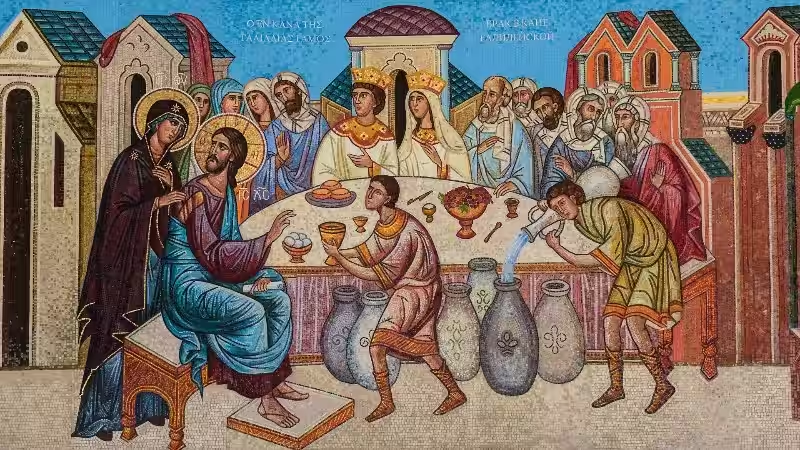
Across the ancient Near East, wine also played a vital role in religious offerings and communal meals. The blood of the grape was seen as a potent symbol, often offered to appease deities or to seek their favor. In early Mesopotamian cultures, for instance, libations of wine were poured out as part of temple rituals. This practice highlights a widespread understanding of wine as a sacred substance, capable of bridging the gap between the human and the divine. The very act of offering this precious commodity was a profound expression of devotion and dependence on the divine realm.
The Symbolism of Blood: A Universal Connection
The visual resemblance of red wine to blood has been a powerful and persistent symbol throughout religious history. This association lends sacrament wine a particularly potent and evocative meaning, linking it to themes of sacrifice, redemption, and new life. The transformation of simple grape juice into wine, mirroring the way life itself can be renewed, further amplifies its symbolic weight. This connection to life-giving blood is a thread that weaves through many different faith traditions, providing a common point of reference even amidst theological diversity.
Consider the metaphor of “drinking the blood of the gods.” While not always literal, this concept speaks to a desire to absorb the essence of the divine, to internalize the sacred qualities represented by the wine. This can be understood as a way of drawing strength, wisdom, or spiritual sustenance from a higher power. The vibrant color and intoxicating qualities of wine further contribute to this sense of potent, life-affirming energy, making it a natural choice for rituals aimed at spiritual renewal and connection.
Christianity: The Centrality of the Eucharist
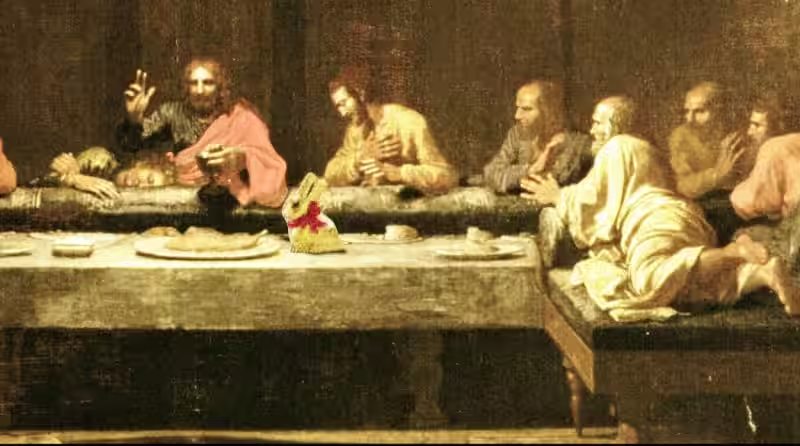
In Christianity, the significance of sacrament wine reaches its zenith in the sacrament of the Eucharist, also known as Holy Communion or the Lord’s Supper. This central rite commemorates the Last Supper, where Jesus shared bread and wine with his disciples, declaring, “This is my body” and “This is my blood of the covenant, which is poured out for many for the forgiveness of sins” (Matthew 26:28). Through this act, Christians believe they are participating in a profound spiritual union with Christ, receiving his grace and strengthening their faith.
The ritual of the Eucharist is deeply ingrained in Christian practice, with sacrament wine being an indispensable component. Different Christian denominations hold varying theological interpretations of the Eucharist, but the core act of partaking in consecrated wine remains a unifying element. For some, the wine literally becomes the blood of Christ (transubstantiation), while for others, it is a symbolic remembrance of his sacrifice (memorialism). Regardless of the specific theological stance, the sacrament wine serves as a tangible reminder of Christ’s redemptive love and the covenant he established with humanity. The careful selection and preparation of the wine, often unleavened bread and specifically chosen grape varietals, further emphasize its sacred status.
Varieties and Preparations: A Matter of Tradition and Theology
The type of wine used in Christian sacraments can vary, often reflecting denominational traditions and historical practices. Traditionally, red wine has been the preferred choice due to its symbolic association with Christ’s blood. However, some denominations, particularly Protestant traditions, may use white wine or even grape juice. This choice is often rooted in historical interpretations or practical considerations, such as the desire to avoid potential staining of vestments or to accommodate those who abstain from alcohol for personal reasons.
The preparation of the wine for the Eucharist is also a matter of careful attention. In many traditions, the wine is blessed by a priest or pastor during the liturgy, imbuing it with spiritual significance. The specific blessings and prayers used are often derived from ancient liturgical texts, passed down through centuries. The act of blessing transforms the ordinary wine into a sacred element, a channel for divine grace and a focus for communal worship. The simple yet profound act of sharing this specially consecrated wine fosters a sense of unity and shared spiritual experience among the congregation.
In Judaism, sacrament wine holds a significant place, most prominently during the Passover Seder. The Seder is a ritual feast that commemorates the Exodus from Egypt, the liberation of the Israelites from slavery. A key element of the Seder is the drinking of four cups of wine, each representing a different promise of redemption mentioned in the Book of Exodus: “I will bring you out from under the burdens of the Egyptians,” “I will deliver you from their bondage,” “I will redeem you with an outstretched arm,” and “I will take you to be my people” (Exodus 6:6-7).
These four cups of wine are not merely symbolic; they are an integral part of the narrative and the experience of the Seder. The act of drinking them is accompanied by specific blessings and recitations from the Haggadah, the text that guides the Seder. This structured consumption of wine helps to immerse participants in the story of the Exodus, making the ancient event feel present and relatable. The wine, in this context, becomes a vehicle for remembering, reliving, and understanding the foundational narrative of Jewish identity. It is an act of communal remembrance and spiritual reaffirmation.
Beyond Passover: Wine in Shabbat and Festivals
While Passover holds a special prominence for sacrament wine, its presence is felt throughout Jewish religious life. The Kiddush, a blessing over wine or grape juice, is recited to sanctify the Shabbat (Sabbath) and other Jewish festivals. This act marks the transition from the ordinary week to the sacred time, setting it apart as a period of rest, reflection, and spiritual rejuvenation. The fragrance of the wine and its consumption are integral to this sanctification, creating a palpable atmosphere of holiness.
Furthermore, wine is often used in other Jewish celebrations and rituals, such as weddings and bar/bat mitzvahs. It symbolizes joy, abundance, and the blessings of life. The act of sharing wine in these joyous occasions reinforces the communal bonds and celebrates the continuation of life and tradition. The simple act of raising a chalice of wine becomes a powerful gesture of gratitude and celebration, connecting individuals to their heritage and to the divine.
Conclusion: The Everlasting Vintage of Meaning
From the ecstatic rituals of ancient Greece to the solemn observance of the Eucharist and the celebratory Seder, sacrament wine has consistently served as a powerful symbol and a vital component of religious life. Its ability to connect humanity to the divine, to foster communal bonds, and to imbue rituals with profound meaning is undeniable. The transformation of the humble grape into this sacred beverage speaks to our innate human desire to find meaning in the tangible world, to imbue everyday objects with spiritual significance.
The enduring presence of sacrament wine across diverse religious traditions is a testament to its universal symbolic power. It reminds us that across faiths, there are shared aspirations for connection, for understanding, and for a deeper engagement with the spiritual realm. The vintage of meaning contained within each chalice of sacrament wine continues to nourish souls, inspire devotion, and connect generations through the timeless language of ritual and faith. The reverence with which it is handled, the prayers with which it is blessed, and the shared experience of its consumption all contribute to its lasting and profound impact.
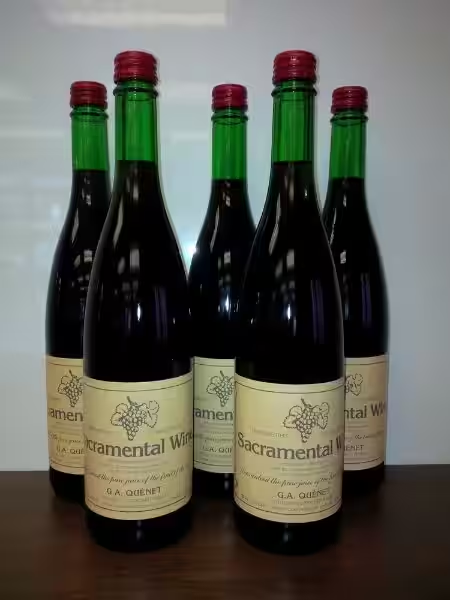
Sacrament wine, also known as communion wine or altar wine, is wine used in Christian religious ceremonies, particularly in the sacrament of Holy Communion (also called the Eucharist or Lord’s Supper). It symbolizes the blood of Jesus Christ.
What kind of wine is used for communion?
Traditionally, red wine is used for communion. The color red is symbolic of the blood of Christ. While most denominations use red wine, some may allow white wine or even grape juice for specific reasons or in certain circumstances. The wine is typically a dry, fortified wine, though the specific type can vary by denomination and tradition.
Are there specific requirements for sacrament wine?
Many Christian denominations have specific guidelines for the wine used in communion. These often stipulate that the wine should be made from grapes and should not be spoiled. Some traditions also emphasize the purity of the wine, meaning it should not contain additives or be mixed with other substances.
Where does the tradition of using wine in communion come from?
The tradition of using wine in communion originates from the Last Supper, as described in the Gospels of the New Testament. Jesus, during his final meal with his disciples, took bread and wine and instructed them to do this in remembrance of him.
Can any wine be used for communion?
While the fundamental requirement is wine made from fermented grapes, the suitability of any given wine can depend on denominational rules and local practices. Some churches may purchase specially prepared altar wine, while others may use commercially available wines that meet their criteria.
What happens to the leftover sacrament wine?
Practices for leftover sacrament wine vary. Some traditions specify that it should be consumed by the clergy or consecrated individuals. Others may suggest it be poured out and buried or disposed of in a reverent manner. The disposal is often treated with respect due to its sacramental significance.
Does it matter if the wine is alcoholic?
Historically, alcohol has been considered a key component of sacrament wine, symbolizing the richness and depth of Christ’s sacrifice. However, some denominations, particularly those with members who abstain from alcohol for health or personal reasons, may opt for non-alcoholic grape juice. This is often a point of discussion and variation within Christianity.