For centuries, the ritual of sharing bread and wine has been a cornerstone of Christian worship, a deeply symbolic act that connects believers to the divine. This sacred meal, known as the Eucharist, Communion, or the Lord’s Supper, is far more than just a communal gathering. It’s a profound expression of faith, a remembrance of sacrifice, and a taste of eternal promise. Understanding the multifaceted meaning behind the bread and wine Eucharist offers a fascinating glimpse into the heart of religious devotion and the enduring human search for meaning and connection.
The simplicity of its elements – bread and wine – belies the immense theological weight they carry. These everyday staples, transformed through prayer and faith, become vessels of grace and conduits of spiritual nourishment. Whether you are a lifelong communicant or encountering the concept for the first time, exploring the rich history and varied interpretations of the bread and wine Eucharist can illuminate its central role in the practice of religion across diverse Christian traditions.
The Historical Roots of Bread and Wine in Religious Practice
The use of bread and wine in religious ceremonies predates Christianity. Ancient cultures recognized the fundamental importance of these sustenance items, often incorporating them into rituals of thanksgiving and appeasement to the gods. Think of the early agricultural societies, where the harvest brought forth bread as a symbol of life and prosperity, and the fermentation of wine as a miraculous transformation, often associated with celebration and divine favor. These ancient practices, deeply ingrained in the human experience of survival and community, laid a subconscious groundwork for the later appropriation of these elements within a sacred context.
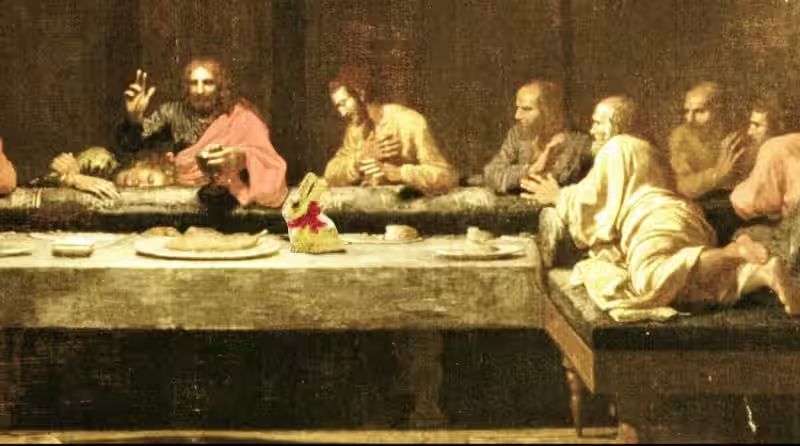
When Jesus instituted the Eucharist, he was drawing upon this rich heritage of symbolic meaning. During the Last Supper, a Passover meal, Jesus took bread and broke it, saying, “This is my body, which is given for you; do this in remembrance of me.” He then took the cup of wine, saying, “This is my blood of the new covenant, which is poured out for many for the forgiveness of sins.” This act wasn’t arbitrary; it was a powerful reinterpretation of familiar elements, imbuing them with unprecedented significance and forging a new covenant between God and humanity through his sacrifice. The bread and wine Eucharist became the central act of Christian remembrance and communion.
The Sacramental Significance of Bread
The bread used in the Eucharist, often unleavened in many traditions, serves as a potent symbol of Jesus’ own body, broken for the sins of the world. Its humble origins as grain, ground and baked, mirror the human journey from vulnerability to strength, and ultimately, to sacrifice. When we partake of the bread, we are invited to internalize Christ’s suffering and his selfless offering. For example, just as a baker combines simple ingredients to create nourishing bread, so too did God combine suffering and love in Christ to offer salvation.
The act of breaking the bread is particularly poignant. It signifies the shattering of Christ’s body on the cross, an act of immense pain and ultimate love. This brokenness, however, leads to wholeness and redemption for believers. The communal sharing of this bread reinforces the idea of the Church as the Body of Christ, with each member playing a vital role. The shared loaf, then, represents unity and the interconnectedness of all who partake in the bread and wine Eucharist.
Similarly, the wine in the Eucharist represents the blood of Christ, shed for the remission of sins. The transformation of grapes into wine through fermentation is a metaphor for the spiritual transformation that occurs in believers through faith and the sacrament. The vibrant color of the wine can evoke the shedding of blood, a stark reminder of the sacrifice made. This potent imagery helps believers grasp the gravity of Christ’s atonement, and the new life that flows from it.
The concept of a “new covenant” sealed in wine is central to the bread and wine Eucharist. This covenant replaces the old covenant and offers forgiveness and reconciliation with God. The wine, therefore, is not merely a beverage; it is a tangible sign of God’s boundless grace and the promise of eternal life. Imagine a personal promise sealed with a solemn handshake; the wine in the Eucharist is a divine promise sealed with a sacred offering, making the bread and wine Eucharist a profound moment of commitment and hope.
Variations in the Bread and Wine Eucharist Across Christian Denominations
While the core elements of bread and wine remain constant, their interpretation and administration vary significantly among Christian denominations. These differences, though sometimes leading to theological debate, highlight the rich diversity within Christianity and the myriad ways believers connect with the divine through the bread and wine Eucharist. Understanding these distinctions can foster greater appreciation for the breadth of Christian practice and belief.
From the symbolic remembrance in some Protestant traditions to the doctrine of transubstantiation in Catholicism and Orthodoxy, each denomination approaches the bread and wine Eucharist with unique theological frameworks. These varying perspectives shape the experience of worship and the understanding of the sacrament’s efficacy. For instance, some denominations view the bread and wine as purely symbolic representations, while others believe in a real spiritual presence of Christ within the elements.
Catholic and Orthodox Understanding: Transubstantiation
In the Roman Catholic and Eastern Orthodox Churches, the doctrine of transubstantiation is central to their understanding of the bread and wine Eucharist. This belief holds that during the consecration, the entire substance of the bread is changed into the Body of Christ, and the entire substance of the wine is changed into the Blood of Christ, while the outward appearances (accidents) of bread and wine remain the same. This is not a symbolic change, but a miraculous, ontological transformation. The faithful believe they are receiving the actual presence of Jesus Christ.
This profound belief means that for Catholics and Orthodox Christians, the bread and wine become, in a very real sense, the Body and Blood of Christ. The bread and wine Eucharist is seen as the pinnacle of worship, a direct encounter with the living Christ. The reverence surrounding the consecrated elements reflects this conviction, with practices like genuflection and the careful handling of the consecrated bread and wine. The entire experience of the bread and wine Eucharist is thus imbued with an extraordinary sense of divine presence and awe.
Protestant Interpretations: Memorialism and Sacramental Union
Many Protestant denominations, while holding the bread and wine Eucharist as a sacred ordinance, interpret its nature differently. Some, like many Baptists and evangelical Christians, adhere to memorialism, believing that the bread and wine are purely symbolic representations, a way to “do this in remembrance of me” as Jesus commanded. The act is a powerful reminder of Christ’s sacrifice and the covenant it established, but the elements themselves are not believed to be transformed.
Other Protestant traditions, such as Lutheranism, hold to a doctrine of sacramental union or consubstantiation. They believe that Christ is truly present “in, with, and under” the bread and wine, but not through a change in substance like transubstantiation. The bread and wine Eucharist is still a means of grace and a real encounter with Christ, but the nature of that presence is understood in a more mysterious, unified way. This emphasizes the spiritual power and efficacy of the bread and wine Eucharist without claiming a physical transformation of the elements.
The Personal and Communal Impact of Receiving the Bread and Wine Eucharist
Beyond theological nuances, the bread and wine Eucharist offers profound personal and communal benefits for believers. It is a practice that nourishes the soul, strengthens faith, and fosters a sense of belonging. The simple act of receiving the bread and wine can be a deeply personal moment of reflection, repentance, and recommitment. For many, it is a time to pause from the busyness of life and reconnect with their spiritual core, finding solace and strength in the presence of God.
On a communal level, the bread and wine Eucharist binds believers together, reinforcing their shared identity in Christ. It is a visible expression of unity, even amidst diversity. Sharing the same bread and wine creates a tangible bond, a reminder that they are part of a larger spiritual family. This shared experience of the bread and wine Eucharist transcends individual differences, uniting hearts and minds in a common purpose and love. It is a powerful testament to the enduring power of faith and community.
Spiritual Nourishment and Forgiveness
The bread and wine Eucharist is often described as spiritual nourishment, akin to receiving physical food for the soul. Just as bread sustains the body, the sacrament is believed to strengthen faith, renew spiritual vigor, and provide grace. The forgiveness of sins, a central theme of the Eucharist, is experienced through this sacred meal. Partaking in the bread and wine is an act of accepting Christ’s sacrifice and the cleansing it offers, allowing believers to approach God with a clear conscience.
This process of receiving forgiveness and spiritual strength allows individuals to live more fully in their faith. It equips them to face challenges, to love their neighbor, and to live according to Christ’s teachings. The bread and wine Eucharist becomes a regular source of renewal, enabling believers to continually grow in their relationship with God and with each other. The symbolic act of consuming the bread and wine is a powerful internalization of these spiritual gifts.
Fostering Unity and Community
The communal aspect of the bread and wine Eucharist is equally vital. Sharing the same sacred meal reinforces the unity of the Church, the Body of Christ. It is a time when differences in social status, background, and opinion are set aside, and believers are united by their common faith and their participation in this sacred rite. This sense of togetherness cultivated during the bread and wine Eucharist extends beyond the church walls, encouraging acts of love and service within the wider community.
The shared experience of receiving bread and wine creates a powerful bond among congregants. It’s a visible sign that they are all part of the same spiritual journey, navigating life’s complexities together. This shared ritual nourishes not only individual faith but also the collective spirit of the community, fostering mutual support and encouragement. The bread and wine Eucharist serves as a regular reminder of their interconnectedness and shared mission.
Conclusion: The Enduring Legacy of Bread and Wine
The bread and wine Eucharist stands as a testament to the enduring power of symbolism and ritual in religion. From its ancient roots to its varied interpretations today, these simple elements continue to serve as a profound connection to the divine. The bread and wine are not just components of a ceremony; they are tangible reminders of sacrifice, love, and the promise of new life. Their presence at the heart of Christian worship underscores their timeless significance.
Whether viewed as a symbolic memorial, a miraculous transformation, or a real spiritual union, the bread and wine Eucharist offers believers a unique space for reflection, communion, and spiritual growth. It is a practice that has sustained and inspired countless generations, and its legacy continues to shape the spiritual lives of millions. The humble bread and wine, consecrated by faith, remain a powerful and transformative force in the landscape of religion.
Frequently Asked Questions: The Bread and Wine of the Eucharist
What is the Eucharist?
The Eucharist, also known as Holy Communion or the Mass, is a central sacrament in Christianity. It commemorates the Last Supper of Jesus Christ with his disciples and is understood as a spiritual communion with Christ.
What is the significance of the bread and wine?
In Christian tradition, the bread and wine are seen as representing the body and blood of Jesus Christ, as instituted by him during the Last Supper. Christians believe that by partaking in them, they are receiving spiritual nourishment and a deeper connection to Jesus.
What are the different beliefs about the bread and wine in the Eucharist?
Different Christian denominations hold varying theological understandings of the presence of Christ in the Eucharist.
Transubstantiation: The Catholic Church teaches that the bread and wine are substantially changed into the actual body and blood of Christ, while their outward appearances (accidents) remain.
Consubstantiation: Some Lutherans believe that Christ is truly present “in, with, and under” the bread and wine, but the bread and wine themselves do not change their substance.
Symbolic Memorial: Many Protestant denominations view the bread and wine as symbolic representations of Christ’s sacrifice, intended to help believers remember his teachings and death.
Spiritual Presence: Some traditions hold that Christ is spiritually present and that believers receive grace through faith when partaking.
Who can receive the bread and wine?
Practices vary among denominations. Generally, baptized Christians who are in good standing with their church are invited to receive communion. Some traditions may have specific requirements, such as a period of instruction or confirmation.
Why is it called “communion”?
It is called communion because it signifies a spiritual union or fellowship between believers and Christ, and also among believers themselves.
Can someone who is not Christian receive the bread and wine?
Typically, the Eucharist is reserved for baptized Christians. Non-Christians are usually invited to observe or participate in other ways during the service.