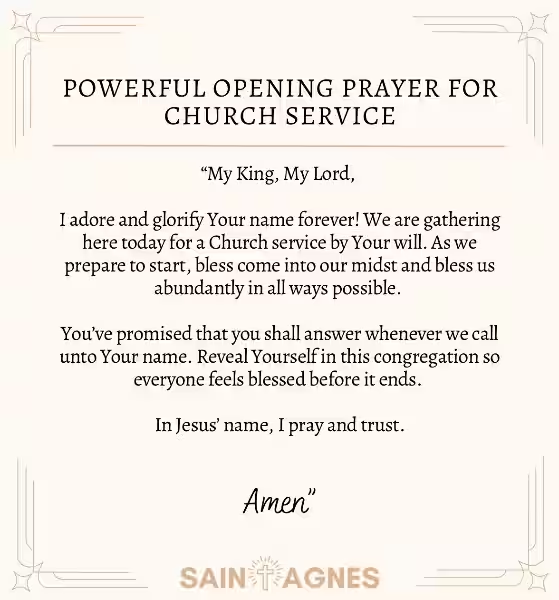
The hush that falls over a congregation as the worship leader steps forward, the expectant silence punctuated only by the rustle of hymnals – these are the familiar preludes to a church service. At the heart of this sacred beginning lies the opening prayer. More than just a formality, it’s a vital spiritual anchor, a moment to unite hearts and minds in preparation for encountering the divine. This article will explore the profound significance of opening prayers, offering practical examples and insights to help individuals and congregations enrich this essential part of worship.
The opening prayer serves as the gateway to spiritual engagement. It’s not simply about ticking a box on a service agenda; it’s a deliberate act of transitioning from the secular to the sacred. This prayer signals to our souls that we are entering a space set apart, a time dedicated to communion with God. It’s a collective breath drawn in, a moment of shared vulnerability and anticipation.
Think of it like preparing a sacred meal. You wouldn’t just throw ingredients together haphazardly. You’d cleanse your workspace, gather the finest ingredients, and set the table with care. Similarly, the opening prayer cleanses our minds of worldly distractions, gathers our spiritual focus, and sets the tone for a profound encounter. It’s a deliberate act of setting our intentions and inviting God’s presence to permeate the service.
Inviting Divine Presence and Guidance
One of the primary purposes of an opening prayer is to explicitly invite God’s presence into the gathered community. We acknowledge that without His Spirit, our worship and learning would be hollow. This invitation is a humble recognition of our dependence on Him for understanding, inspiration, and transformation.
Consider this example: “Heavenly Father, we thank You for this sacred time and space. We invite Your Holy Spirit to be with us today, to open our hearts and minds to Your Word, and to guide our worship. May Your presence fill this room and transform our lives. Amen.” This simple invocation acknowledges God’s sovereignty and expresses a desire for His active involvement in the unfolding moments of the service.
Centering the Congregation’s Hearts and Minds
In our often-hectic lives, our minds can be a whirlwind of thoughts – to-do lists, personal worries, and the lingering echoes of the week. The opening prayer acts as a powerful centering mechanism, drawing our attention away from these distractions and towards the solemn purpose of our gathering. It’s a collective exhale, releasing the burdens of the world and embracing the peace that comes from focusing on God.
A prayer that aims to center the congregation might sound like this: “Lord, as we gather today, we lay down our worries at Your feet. Quiet the noise within us and around us, so that we may truly hear Your voice. Help us to be present in this moment, open to Your transforming power. Amen.” This type of prayer acknowledges the struggle for focus and humbly requests divine assistance in achieving spiritual stillness.
Elements of a Powerful Opening Prayer
While the specific content of an opening prayer will vary, certain essential elements contribute to its profound impact. These are not rigid rules, but rather guiding principles that help craft prayers that are meaningful, relatable, and spiritually resonant. Understanding these components can empower anyone tasked with leading this sacred moment.
The tone of the prayer is paramount. It should be one of reverence, humility, and genuine desire for God’s presence. Avoid overly casual language or a perfunctory delivery. Instead, let your words convey a deep respect for the One you are addressing.
A cornerstone of effective opening prayers is the acknowledgment of God’s divine attributes. This involves recognizing who God is – His power, His love, His wisdom, His omnipresence, and His faithfulness. This not only glorifies Him but also reminds the congregation of the greatness of the God they are worshipping.
For instance, a prayer could begin by saying: “Almighty God, Creator of all things, whose love for us is boundless and whose mercy endures forever. We stand in awe of Your majesty and Your faithfulness. Thank You for Your unwavering presence in our lives.” This acknowledges God’s inherent nature and establishes a posture of worship and gratitude before delving into other requests.
Expressing Gratitude and Praise
Before asking for anything, it’s crucial to express sincere gratitude and offer praise. This demonstrates a heart that is already attuned to God’s blessings. Thanksgiving shifts our focus from what we lack to what we have, fostering a positive and worshipful atmosphere.
An example of this might be: “Father, we thank You for the gift of this new day, for the fellowship we share, and for the privilege of gathering in Your house. We praise You for Your mighty works and for guiding us through every season of life. Your goodness is overwhelming.” This cultivates a spirit of thanksgiving and sets a joyful tone for the rest of the prayer and the service.
Presenting Needs and Intentions
Once God’s attributes have been acknowledged and gratitude expressed, it’s appropriate to present the needs and intentions of the congregation and the service. This can include prayers for wisdom in understanding the sermon, for a deeper connection with God, for guidance in our daily lives, or for the specific needs of individuals within the community.
A prayer incorporating this element could be: “Lord, we pray for wisdom as Your Word is taught today. May we receive it with open hearts and be empowered to live out Your truth. We also lift up those who are struggling, those who are in need of comfort, healing, or strength. Hear our pleas, O God.” This is a practical and focused petition that addresses both spiritual and earthly concerns.
Opening Prayer for Church Service Examples: A Spectrum of Approaches
The beauty of opening prayers lies in their adaptability. Whether you are leading a small house church or a large cathedral, the principles remain the same, but the expression can take many forms. Here are several opening prayer for church service examples illustrating different emphases and styles.
These examples are designed to be springboards for your own prayers, not rigid scripts. Feel free to adapt them, combine them, or draw inspiration from them to craft prayers that are authentic to your context and your heart.
Example 1: A Simple and Direct Invocation
This prayer is straightforward, focusing on immediate presence and purpose.
“Dear God, thank You for bringing us together this morning. We ask for Your Spirit to be with us now, to bless our time together, and to help us focus on You. In Jesus’ name, Amen.”
This example is particularly useful for setting a calm and focused tone at the very beginning. It’s concise and to the point, making it accessible for all to follow. It’s an excellent starting point for those who may feel intimidated by leading prayer.
Example 2: A Prayer of Thanksgiving and Dedication
This prayer emphasizes gratitude for God’s provision and a commitment to His will.
“Heavenly Father, we come before You with grateful hearts. Thank You for the gift of life, for Your unfailing love, and for this opportunity to gather and worship You. We dedicate this service to Your glory, asking that everything we do and say would honor You. May Your will be done in our lives and through this gathering. Amen.”
This approach helps to shift the focus from ourselves to God, fostering a sense of humility and surrender. It’s a powerful way to begin with a spirit of worship and a desire to serve.
Example 3: A Prayer for Spiritual Insight and Transformation
This prayer is more focused on the transformative power of God’s Word and Spirit.
“Lord, we acknowledge Your sovereignty and Your infinite wisdom. As we open Your Word today, we pray for discernment and understanding. Open our eyes to see Your truth, and open our hearts to receive it. Transform us by Your Spirit, making us more like Christ in all that we do. May Your message resonate deeply within us. Amen.”
This kind of prayer is ideal when the sermon or teaching is expected to be particularly challenging or insightful. It expresses a deep yearning for spiritual growth and a reliance on divine illumination.
Example 4: A Prayer for Unity and Community
This prayer highlights the importance of fellowship and mutual support within the church.
“Gracious God, we thank You for the gift of community and for bringing us together as Your children. Help us to love one another as You have loved us. May this time of worship strengthen our bonds of unity and inspire us to serve each other with compassion and grace. We pray for a spirit of encouragement and support to flow through our fellowship. Amen.”
This example can be particularly impactful in fostering a sense of belonging and mutual care within the congregation. It emphasizes the interconnectedness of believers and the importance of living out their faith together.
Crafting Your Own Opening Prayer: Tips for Success
Leading an opening prayer can feel like a significant responsibility. However, by focusing on a few key principles, anyone can craft prayers that are both meaningful and impactful. It’s about authenticity, intention, and connection, rather than perfect rhetoric.
Remember that preparation is key. Before you step up to lead, take a moment to quiet your own spirit and reflect on the purpose of the prayer. What is on God’s heart for this gathering? What are the needs of the people present?
Know Your Audience and Context
The most effective opening prayers are tailored to the specific congregation and the context of the service. A prayer for a solemn Good Friday service will differ greatly from a prayer for a joyous Easter celebration or a casual midweek Bible study. Consider the demographics of the attendees, the theme of the service, and any current events or specific needs within the community.
For instance, if the service theme is “Hope in Difficult Times,” your prayer might include phrases like: “Father, we acknowledge the trials and uncertainties of this world. We lift up to You those who are facing hardship, fear, or loss. Grant them Your peace that surpasses all understanding and Your hope that sustains us through every storm.”
Be Authentic and Heartfelt
The most powerful prayers are those that come from a genuine and sincere heart. Don’t try to use language that feels unnatural or overly formal if it doesn’t reflect your own communication style. Speak to God as you would speak to a loving Father – with respect, honesty, and openness.
If you are feeling a particular sense of awe at God’s creation, you might express it by saying: “Oh, Lord, as I look around at this beautiful world You have made, my heart overflows with Your glory. Even in the smallest details, Your fingerprints are evident, reminding us of Your incredible power and creativity.” This personal expression of wonder can resonate deeply with others.
Keep it Concise and Focused
While the content of an opening prayer can be rich, it’s important to avoid lengthy and rambling prayers. A well-crafted, focused prayer is more likely to hold the attention of the congregation and achieve its intended purpose. Aim for clarity and a clear progression of thought.
Think of it like a well-written summary. It captures the essence of a larger idea without unnecessary detail. A prayer that is too long can lose its impact and become a burden rather than a blessing.
Conclusion: The Enduring Power of the Sacred Prelude
The opening prayer is far more than a perfunctory beginning to a church service; it is a sacred prelude that sets the spiritual tone and invites the divine presence. It’s a moment of collective transition, a time to center our hearts, express gratitude, and present our needs to the Almighty. By understanding the profound significance of this practice and by drawing inspiration from various opening prayer for church service examples, individuals and congregations can cultivate a richer, more meaningful worship experience.
The ability to craft and deliver a heartfelt opening prayer is a gift that can be nurtured and developed. Whether you are a seasoned leader or someone new to this role, remember that authenticity, intention, and a willingness to connect with God are the most crucial ingredients. May each opening prayer serve as a powerful and transformative bridge between the earthly and the eternal, ushering in the presence and power of God into every service.
Frequently Asked Questions: Opening Prayer Examples for Church Services
What is an opening prayer in a church service?
An opening prayer is a prayer offered at the beginning of a worship service to consecrate the time, invite God’s presence, and set the tone for the service. It’s a way to focus the congregation’s hearts and minds on worship and their relationship with God.
What are some common themes for an opening prayer?
Common themes include:
* Gratitude: Thanking God for the gift of life, salvation, and the opportunity to gather.
* Seeking Guidance: Asking for wisdom, understanding, and direction for the service and for daily life.
* Praise and Adoration: Acknowledging God’s attributes, power, and love.
* Confession and Forgiveness: Briefly acknowledging sin and seeking God’s cleansing and mercy.
* Asking for the Holy Spirit’s Presence: Inviting the Spirit to lead, inspire, and empower the congregation and the speaker.
* Dedication: Offering the service and oneself to God’s purposes.
Can you provide an example of a simple opening prayer?
“Heavenly Father, we thank You for this day and for bringing us together in Your presence. We ask that You would fill this place with Your Spirit, open our hearts to Your Word, and guide our worship. May we honor You in all we say and do. In Jesus’ name, Amen.”
What makes a good opening prayer?
A good opening prayer is usually:
* Reverent: Showing respect and awe for God.
* Concise: Not too long, as it’s just the beginning of the service.
* Relevant: Connecting to the purpose of the gathering.
* Inclusive: Speaking on behalf of the congregation.
* Scriptural (optional but often helpful): Drawing on biblical language or concepts.
* Spirit-led: Authentic and from the heart.
Are there different styles of opening prayers?
Yes, styles can vary based on denomination, church culture, and the specific sermon or theme of the day. Some might be more formal and structured, while others are more spontaneous and conversational. The key is that it’s genuine and directed towards God.
Who typically leads the opening prayer?
Often, the pastor or a designated leader will lead the opening prayer. However, in some churches, a lay member, a worship leader, or even a child might be invited to offer the opening prayer.
How long should an opening prayer be?
Generally, an opening prayer should be brief, typically between 30 seconds and two minutes. Its purpose is to set the stage, not to be the main event.