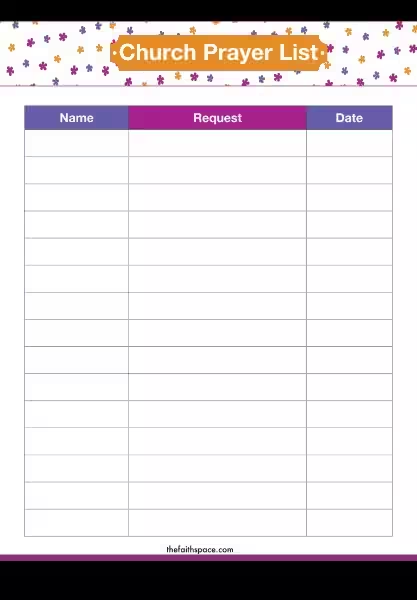
In the tapestry of faith, where individual lives are interwoven with divine connection, the practice of prayer stands as a cornerstone. Within the vibrant community of a church, this spiritual discipline often finds a tangible expression in the church prayer list. More than just a collection of names and concerns, a church prayer list serves as a powerful conduit for collective intercession, a testament to the shared burdens and triumphs of believers. It’s a visible reminder that no one prays alone, and that the church, as a body, shoulders the spiritual weight of its members and the world around it. This article delves into the essence of the church prayer list, exploring its profound significance, practical implementation, and the transformative impact it can have on individuals and the wider faith community.
Religion, in its purest form, is about relationship – a relationship with the divine and a relationship with fellow humanity. The church prayer list beautifully embodies this dual connection. It’s an invitation to extend empathy, to offer solace, and to actively participate in the spiritual well-being of others. Whether it’s a request for healing, guidance, comfort during loss, or a plea for a breakthrough, each entry on the list represents a soul reaching out, and a community responding with faith-filled petition. The act of compiling and praying over these requests fosters a profound sense of unity and shared purpose, reminding us that our faith is not a solitary journey but a communal one, deeply rooted in love and mutual support.
A church prayer list is a dynamic and multifaceted tool within the religious fabric of a congregation. Its primary function is to facilitate focused and intentional prayer for specific individuals, situations, and needs. This list acts as a tangible record of the church’s spiritual concerns, ensuring that no one’s prayer request is overlooked or forgotten. It provides a structured framework for intercessory prayer, allowing members to dedicate their prayer time to the matters most pressing within the community. For instance, when a member is facing a serious illness, their name appearing on the prayer list galvanizes the congregation to lift them up in prayer daily, a powerful act of solidarity and faith.
Beyond its direct petitionary purpose, the church prayer list cultivates a culture of empathy and compassion within the church family. Reading through the various requests – from the joyous announcements of new babies to the somber pleas for those struggling with addiction – opens hearts and minds to the diverse experiences of fellow believers. This shared awareness encourages a deeper understanding and a more profound connection, fostering an environment where individuals feel seen, heard, and supported. It’s a visible affirmation that the church is a place of refuge and a source of strength, where the joys are celebrated and the sorrows are borne together, strengthening the bonds of fellowship.
Practical Implementation: Creating and Managing a Dynamic Prayer List
The effectiveness of a church prayer list hinges on its practical implementation and ongoing management. Many churches utilize various methods to gather and disseminate prayer requests, ranging from physical sign-up sheets in the foyer to digital forms accessible through the church website or a dedicated app. The key is to make the process accessible and user-friendly for all members, regardless of their technological proficiency. This might involve having volunteers available to assist individuals in submitting their requests or ensuring that paper forms are readily available and clearly marked. A well-organized system ensures that all submitted requests are captured accurately and promptly, laying the groundwork for consistent prayer support.
Once compiled, the church prayer list needs to be effectively communicated to the congregation. This can be achieved through several avenues: it might be read aloud during a designated time in a worship service, included in the weekly bulletin, or sent out via email to a dedicated prayer chain or mailing list. Some churches even maintain a private online forum or group where prayer requests can be shared and updated regularly. The crucial element is consistent dissemination, ensuring that every member has the opportunity to engage with the list and offer their prayers. This regular sharing not only keeps the community informed of the ongoing needs but also encourages a sustained commitment to prayer, transforming the list from a static document into a living, breathing expression of the church’s faith in action.
The Transformative Power of Collective Intercession
The impact of a diligently maintained church prayer list extends far beyond the individual requests it contains. It unleashes the transformative power of collective intercession, a force that can bring about profound change. When a community of faith unites in prayer, the spiritual momentum generated can be immense. This is not simply wishful thinking; it’s an active engagement with the divine, a declaration of belief in God’s ability to intervene and bring about healing, restoration, and peace. The shared intention and unified voices create a powerful spiritual synergy, amplifying the prayers offered and creating an atmosphere ripe for divine intervention.
Consider the ripple effect of a single prayer request being lifted by hundreds of voices. The individual recipient, knowing they are being prayed for by their church community, often experiences a tangible sense of comfort, hope, and encouragement. This shared burden can lighten their load, providing them with the strength to face their challenges. Moreover, the act of praying for others cultivates a spirit of generosity and selflessness within the praying individual, aligning their hearts with God’s heart for humanity. The church prayer list, therefore, becomes a catalyst for both individual spiritual growth and the collective flourishing of the community, demonstrating the tangible results of faith-based action and unwavering hope.
Beyond the List: Cultivating a Culture of Prayer
While the church prayer list is a vital tool, it is essential to remember that it is but one facet of a robust prayer life within a religious community. True spiritual vitality flourishes when prayer extends beyond the confines of a written list and permeates the daily lives of believers. This involves encouraging spontaneous prayer, personal devotion, and intergenerational prayer practices. It means fostering an environment where prayer is not seen as a chore or an obligation, but as a natural and joyful expression of a living relationship with God.
Ultimately, the church prayer list serves as a powerful reminder of our interconnectedness in faith. It highlights the importance of active listening, compassionate response, and the unwavering belief in the efficacy of prayer. By embracing the church prayer list as a sacred practice, congregations can deepen their spiritual bonds, strengthen their communal resilience, and witness firsthand the miraculous ways God works through the unified prayers of His people. It’s a testament to the fact that within the heart of the church, prayer is not just a list of requests, but the very heartbeat of faith, a continuous conversation that shapes lives and transforms worlds.
Frequently Asked Questions about Church Prayer Lists
What is a church prayer list?
A church prayer list is a compilation of names and intentions submitted by members of a congregation for whom prayers are requested. These lists are often shared within the church community to encourage communal prayer for individuals facing challenges, celebrating joys, or in need of spiritual support.
Who can submit a name to the prayer list?
Typically, any member of the church congregation can submit a name to the prayer list. Sometimes, there are specific guidelines or forms to fill out, and it’s common practice to seek permission from the person whose name you are submitting, especially if it’s for a sensitive matter.
Those celebrating significant life events (e.g., birthdays, anniversaries, new babies).
Missionaries and those serving in ministry.
Specific intentions or concerns of the congregation.
How is the prayer list used?
The prayer list is utilized in various ways within a church community. It might be read aloud during worship services, included in weekly bulletins or newsletters, shared via email, or posted on a dedicated section of the church website. Congregants are encouraged to pray for the individuals and intentions listed.
Is my personal information kept confidential on the prayer list?
Confidentiality policies can vary between churches. Generally, churches strive to be respectful of privacy. If you have concerns about confidentiality, it’s best to speak with church leadership or the person responsible for managing the prayer list.
Can I request prayers for someone who is not a member of our church?
Most churches welcome prayer requests for anyone, regardless of their affiliation. The spirit of prayer often extends beyond the immediate congregation.
How long does a name typically stay on the prayer list?
The duration a name remains on the prayer list often depends on the church’s specific policy. Some lists are updated weekly or monthly, while others may have a set period before names are removed unless a renewal request is made. It’s common for names to be removed after a certain period if the situation has resolved or if the person making the request indicates it.
What is the religious significance of a church prayer list?
Church prayer lists embody the Christian principle of “bearing one another’s burdens” (Galatians 6:2). They foster a sense of community and interconnectedness, reminding believers that they are not alone in their struggles or joys. It’s an expression of faith in God’s power to intervene and provide comfort and strength through the prayers of His people.