For many, the concept of Catholic confession can evoke a mix of curiosity, apprehension, and perhaps even a touch of mystery. It’s a cornerstone of the Catholic faith, a sacred ritual designed to bring about healing, forgiveness, and a renewed relationship with God and the Church. But the practicalities – how do you do a Catholic confession? – can sometimes feel like uncharted territory. This article aims to demystify the process, offering a clear, relatable, and informative guide for anyone seeking to understand or engage in this profound sacrament.
Far from being a judgmental interrogation, confession is an act of profound love and mercy extended by God. It’s an opportunity to acknowledge our human failings, to seek spiritual guidance, and to experience the transformative power of divine forgiveness. Understanding the steps involved demystifies the experience, making it accessible and deeply meaningful. We’ll explore the preparation, the encounter with the priest, and the ongoing journey of spiritual growth that confession facilitates, ensuring you feel confident and informed about this vital aspect of Catholic life.
Before diving into the practical steps of how do you do a Catholic confession, it’s essential to grasp the theological significance of this sacrament, more formally known as the Sacrament of Reconciliation or Penance. This sacrament is rooted in Jesus’s own ministry, where he granted his apostles the authority to forgive sins. As stated in the Gospel of John, Jesus breathed on his disciples and said, “Receive the Holy Spirit. If you forgive the sins of any, they are forgiven them; if you withhold forgiveness from any, it is withheld” (John 20:22-23). This divine mandate has been passed down through the Church, empowering priests, as successors to the apostles, to act in Christ’s name.
The sacrament is a powerful reminder of God’s boundless mercy. It’s not about cataloging every minor imperfection, but about addressing those actions, thoughts, or omissions that have wounded our relationship with God, ourselves, and others. Think of it like tending to a garden; confession is the process of weeding out the invasive species – our sins – so that the healthy plants – our virtues and our faith – can flourish. It’s a vital tool for spiritual growth, offering a chance to reset, recommit, and to feel the liberating embrace of God’s love and forgiveness.
Preparing Your Heart for Confession
The most crucial element in preparing for confession is a sincere desire to turn away from sin and to return to God. This inward reflection is often called an examination of conscience. It’s not about self-condemnation, but about honest self-assessment. You can use various resources, such as the Ten Commandments, the Beatitudes, or guides provided by your parish, to help you identify areas where you may have fallen short. For instance, if you’ve been struggling with anger, an examination might reveal instances where you spoke harshly to a loved one or harbored resentment.
This preparation involves prayer. Before you even enter the confessional, take a moment to ask the Holy Spirit to guide your examination and to open your heart to God’s truth. You might pray, “Lord, show me where I have strayed from your path.” It’s also helpful to reflect on your intentions. Were your actions deliberate, or were they the result of carelessness? Understanding your motivations can provide deeper insight. Finally, remember that confession is a place of grace, and God’s grace is always available to help you overcome your weaknesses. Don’t let the fear of imperfection paralyze you; approach the examination with humility and hope.
What to Examine in Your Conscience
When considering how do you do a Catholic confession, understanding what to examine is key. A common framework for examining your conscience is to reflect on your duties towards God, your neighbor, and yourself. Towards God, this might involve considering your prayer life, your worship, and your trust in Him. Have you put anything before God? Have you been grateful for His blessings? For example, neglecting daily prayer or routinely missing Mass without a valid reason could be considered failures in your relationship with God.
Reflecting on your duties towards your neighbor involves examining your interactions and attitudes. Have you been kind, patient, and honest? Have you gossiped, judged others harshly, or failed to help someone in need? Consider if you’ve harbored anger or resentment towards anyone. Finally, examining your duties towards yourself involves caring for your physical and spiritual well-being. Have you indulged in excessive drinking or other harmful habits? Have you nurtured your spiritual life? This comprehensive approach ensures that your examination is thorough yet manageable, focusing on key areas of your life and your relationship with the divine.
The Confessional Experience: Steps to Take
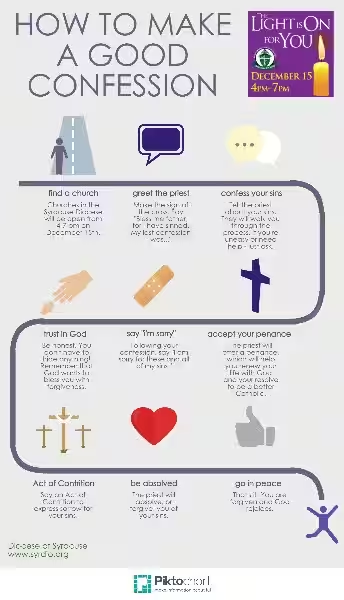
The moment you approach the confessional, you are entering a sacred space where immense healing and reconciliation occur. Typically, you’ll find a screen separating you from the priest. You can choose to kneel or sit on the side with the screen, and the priest will be on the other side. Begin by making the Sign of the Cross and then initiating the conversation. A common and effective way to start is by stating how long it has been since your last confession, for example, “Bless me, Father, for I have sinned. It has been [number] months/years since my last confession.” This helps the priest gauge your spiritual journey.
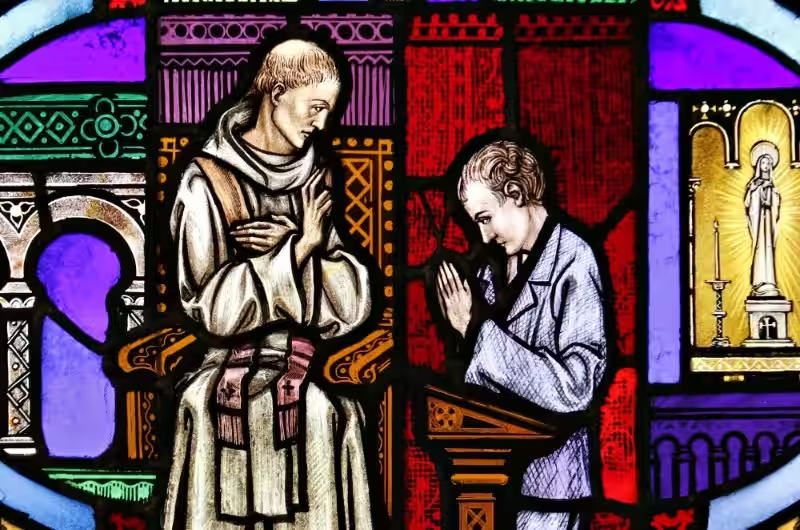
Next, you will begin to confess your sins. Be as specific as you can without becoming overly detailed or dwelling on the sordid aspects. Focus on the act itself, your intention, and the circumstances. For instance, instead of saying, “I was really mean,” you might say, “I spoke unkindly to my coworker yesterday because I was frustrated with a project.” The goal is to present your failings clearly, allowing the priest to offer guidance and absolution. Remember, the priest is there to help you, not to judge you. He acts as a spiritual father, guiding you towards healing and conversion, much like a doctor diagnosing an ailment to prescribe the right medicine.
Speaking Your Sins and Receiving Counsel
When articulating your sins, remember that the priest has heard it all before; nothing you say will shock or offend him. He is trained to hear confessions with compassion and understanding. After you have confessed your sins, the priest will likely offer some spiritual direction or counsel. This is a crucial part of the process, offering you insights into the root causes of your sins and strategies for avoiding them in the future. For instance, if you’ve confessed to frequent anger, the priest might suggest practicing mindfulness, taking deep breaths before reacting, or seeking out resources on anger management.
This counsel is not meant to be a lecture but a supportive guide. It’s an opportunity to learn and grow. The priest may also assign a penance, which is typically a prayer or a charitable act. This penance is not a punishment but a way to make amends for your sins and to strengthen your resolve to live a more virtuous life. Think of it as a prescription from your spiritual doctor – a necessary step in your healing process. Completing your penance with a sincere heart is an important part of the sacrament, demonstrating your commitment to spiritual renewal.
The Act of Absolution and the Penance
Following your confession and the priest’s counsel, you will be asked to pray an act of contrition. This is a prayer expressing sorrow for your sins and a firm resolve to sin no more. There are many traditional acts of contrition you can use, or you can express your sorrow in your own words, as long as you convey genuine remorse and a desire to change. For example, you might say, “Oh my God, I am heartily sorry for my sins, and I detest them because of the love I have for you, my God, and I firmly resolve, with your grace, to sin no more and to avoid the near occasion of sin.”
After your act of contrition, the priest will pronounce the words of absolution. This is the climax of the sacrament, where God, through the minister of the Church, grants you forgiveness for your sins. The words are powerful and beautiful, typically beginning with, “God the Father of mercies, who through the death and resurrection of his Son has reconciled the world to himself and sent the Holy Spirit among us for the forgiveness of sins…” Hearing these words is a deeply moving experience for many, signifying a profound spiritual cleansing and a renewed sense of peace. The priest will then assign your penance, which is a tangible way to participate in your own healing and spiritual growth.
Completing Your Penance and Moving Forward
Once you have received absolution and been assigned your penance, your part in the confessional itself is complete. However, the journey of reconciliation continues. It is important to complete your assigned penance as soon as possible. This might involve reciting a specific prayer, like the Hail Mary or the Our Father, a certain number of times, or performing an act of charity. Completing your penance is a way of fulfilling your commitment to God and demonstrates your sincerity in seeking to amend your life. It’s a concrete step in integrating the grace received during confession into your daily life.
Beyond the penance, the true fruit of confession lies in the ongoing effort to live a life free from sin and closer to God. This means actively striving to avoid the sins you confessed, cultivating the virtues that counter them, and continuing to engage in regular prayer and spiritual reflection. Think of confession as a spiritual tune-up for your car; it helps you run more smoothly and efficiently. By incorporating God’s word, the sacraments, and community into your life, you nurture the grace of confession and continue to grow in holiness. This consistent effort is what truly transforms your life and strengthens your relationship with the divine.
The Lasting Impact of Regular Confession
Engaging in confession regularly, perhaps monthly or even more frequently if needed, can have a profound and transformative impact on your spiritual life. It’s not just about confessing sins; it’s about cultivating a deeper awareness of God’s presence and mercy in your life. By regularly examining your conscience and seeking forgiveness, you become more attuned to the subtle promptings of the Holy Spirit and more aware of how your actions align with God’s will. This ongoing practice fosters humility, strengthens your resolve to live virtuously, and deepens your appreciation for the gift of salvation.
The spiritual benefits are immense. Regular confession can lead to a greater sense of peace and freedom from guilt, a clearer understanding of your spiritual weaknesses and strengths, and a renewed sense of purpose. It’s a powerful tool for spiritual growth, helping you to overcome habitual sins and to develop a more Christ-like character. Many find that the more they confess, the more they desire to live a life that is pleasing to God, creating a positive cycle of grace and growth. It’s an essential part of the Catholic journey, offering continuous renewal and a path towards deeper holiness.
Frequently Asked Questions: Catholic Confession
What is Catholic Confession?
Catholic Confession, also known as the Sacrament of Penance or Reconciliation, is a sacrament instituted by Jesus Christ by which Catholics can confess their sins to a priest and receive forgiveness from God. It is a way to restore and deepen one’s relationship with God and the Church.
Preparation involves an “examination of conscience,” which means reflecting on your actions, thoughts, and words since your last confession to identify any sins you have committed. Prayer can help guide this reflection. It’s good to recall the Ten Commandments, the Precepts of the Church, and the Seven Deadly Sins as a framework.
What do I say when I go to Confession?
Begin by greeting the priest and stating that you wish to go to confession. You can say something like, “Bless me, Father, for I have sinned.” Then, state the approximate time since your last confession (e.g., “It has been X weeks/months/years since my last confession”). Next, confess your sins clearly and honestly. It’s helpful to mention each sin and how often you committed it.
What if I forget a sin?
If you forget to confess a sin and realize it later, you do not need to go back to confession immediately. Simply include it in your next confession. If you intentionally withheld a grave sin, however, the confession is not valid.
What happens after I confess my sins?
After you have confessed your sins, the priest will likely offer you words of spiritual guidance and counsel. He will then assign you a “penance,” which is usually a prayer or a small act of reparation to be performed. This penance is a way to make amends for your sins.
What is the act of contrition?
Contrition is sorrow for having sinned. The priest will ask you to say an Act of Contrition, a prayer expressing your sorrow and your firm purpose of amendment (your intention not to sin again). You can recite a traditional Act of Contrition or express your sorrow in your own words.
What is absolution?
Absolution is the forgiveness of sins granted by God through the priest. After you have confessed, expressed contrition, and the priest has assigned your penance, he will pronounce the words of absolution. This is the moment when God’s mercy is powerfully at work, and your sins are forgiven.
What is penance?
Penance is an assignment given by the priest after confession. It is typically a prayer or a charitable act that helps you to make reparation for your sins and to grow in virtue. It’s important to complete your assigned penance.
How often should I go to Confession?
The Church urges Catholics to go to Confession at least once a year, especially during the Easter season. However, many Catholics find it beneficial to go more frequently, such as once a month or whenever they feel the need to reconcile with God and the Church.
Can I confess my sins directly to God?
While you can always pray for forgiveness directly to God, the Sacrament of Confession is the appointed means by which Catholics receive God’s forgiveness for grave sins. Jesus gave the apostles the power to forgive sins (John 20:23), and this authority has been passed down through the Church.
What are “mortal” and “venial” sins?
Mortal sins are grave offenses against God that destroy charity in the heart of a person and turn them away from God. Venial sins are less serious offenses that wound but do not destroy one’s relationship with God. It is a requirement to confess mortal sins before receiving Holy Communion.