The concept of mortal sin is a cornerstone of Catholic teaching, often sparking curiosity, concern, and sometimes even fear. For adherents and those seeking to understand the faith more deeply, grasping this doctrine is crucial. It’s not merely a set of rules to avoid, but a profound theological concept that speaks to the nature of our relationship with God. This article aims to demystify mortal sin within the Catholic Church, offering clarity, context, and a relatable perspective on its significance in the spiritual life.
The Gravity of Mortal Sin: A Severing of the Divine Bond
At its heart, the Catholic Church defines mortal sin as an act that, if committed with full knowledge and deliberate consent, destroys the life of sanctifying grace in the soul. This isn’t a minor infraction; it’s considered a grave offense against God, akin to a betrayal that ruptures the intimate, loving relationship we are called to have with Him. Imagine a close friendship; a betrayal of trust, done knowingly and intentionally, can shatter that bond. Similarly, a mortal sin is understood to sever the supernatural life that connects us to God’s grace, leaving the soul in a state of spiritual peril.
The consequences of mortal sin are serious within Catholic theology. It’s believed to lead to eternal separation from God if unrepented before death. This stark reality underscores the urgency of understanding what constitutes such a sin and the importance of seeking reconciliation through the Sacrament of Penance. The Catholic Church teaches that without this grace, our spiritual journey is profoundly hindered, making it difficult to grow in holiness and live out the teachings of Christ.
The Three Conditions for a Mortal Sin
For an act to be considered a mortal sin within the Catholic Church, three essential conditions must be met simultaneously. Understanding these criteria is vital for discerning the nature of our actions and their spiritual implications. Without all three elements present, an offense may be considered venial sin or simply a mistake, but not a mortal sin.
Grave Matter: The act itself must be intrinsically serious. This refers to actions that are fundamentally opposed to God’s law and the teachings of the Catholic Church. Examples include adultery, murder, grave theft, and blasphemy. These are not minor transgressions but acts that inherently damage the moral order and our relationship with divine love.
Full Knowledge: The individual must be aware that the act they are committing is seriously wrong. This means understanding the gravity of the offense and its implications for their spiritual state. Acting in ignorance or under duress reduces culpability, but deliberate action in the face of clear moral understanding is key to mortal sin.
Deliberate Consent: The act must be chosen freely and with full intention. There can be no coercion or significant external pressure that forces the individual to commit the act. A mortal sin is a conscious choice to turn away from God, a rejection of His love and will.
The Catholic Church makes a clear distinction between mortal sin and venial sin. While both are offenses against God, their gravity and consequences differ significantly. Understanding this difference is crucial for spiritual discernment and growth within the faith.
Venial sin, while still an offense, is a lesser offense against God. It weakens but does not destroy our relationship with Him. Think of it as a scratch or a bruise on a healthy relationship, rather than a deep, gaping wound. Examples of venial sin might include impatience, gossip, or minor dishonesty. These actions, while not ideal and certainly not conducive to holiness, do not sever the soul’s connection to divine grace. They require repentance and can be forgiven through prayer, acts of charity, or confession, but they don’t carry the same spiritual urgency as unrepented mortal sin.
The key difference lies in the degree of separation from God. A mortal sin is a direct rebellion that severs the soul from God’s friendship, while a venial sin is a step away that weakens that friendship. The Catholic Church encourages the faithful to avoid both, but places particular emphasis on avoiding mortal sin due to its profound spiritual consequences.
The Sacrament of Reconciliation: A Path to Healing
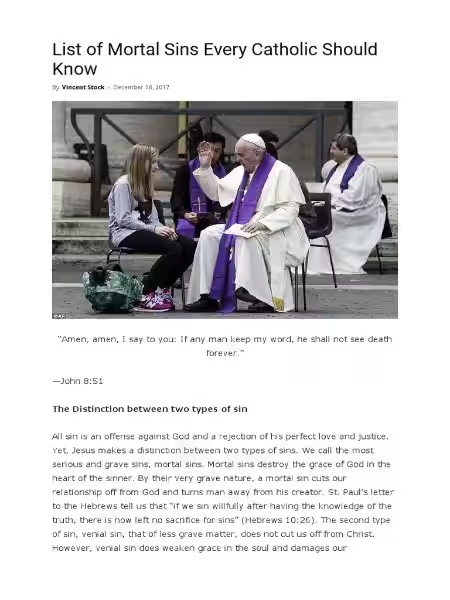
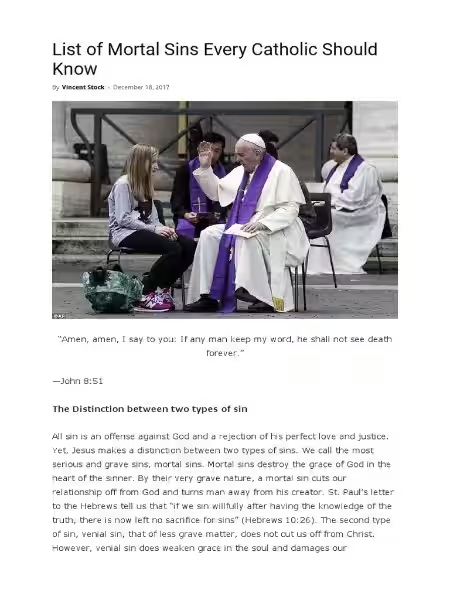
For any mortal sin committed, the Catholic Church offers a profound and merciful path to healing and restoration: the Sacrament of Reconciliation, also known as Confession. This sacrament is not a trial, but a divine encounter where God’s boundless mercy is made tangible.
Through Confession, individuals can confess their sins to a priest, who acts in the person of Christ. The priest then offers absolution, pronouncing God’s forgiveness. This act not only removes the stain of mortal sin but also restores the soul to a state of sanctifying grace, allowing for a renewed relationship with God. It’s a powerful testament to God’s unwavering love and His desire for our salvation, demonstrating that even after the most grievous offenses, healing and reconciliation are always possible.
Living a Life Free from Mortal Sin: Practical Guidance
Avoiding mortal sin and striving for holiness is a lifelong journey for Catholics. It requires constant vigilance, prayer, and a commitment to living according to the teachings of the Catholic Church. This isn’t about legalism or fear, but about actively cultivating a deep and loving relationship with God.
Prayer: Regular prayer is essential for staying connected to God and discerning His will. Through prayer, we can ask for the grace to resist temptation and the wisdom to recognize sin.
Sacramental Life: Actively participating in the sacraments, particularly Confession and Eucharist, strengthens our spiritual life and provides the grace needed to overcome sin.
Spiritual Direction: Seeking guidance from a spiritual director or wise mentor can be invaluable in navigating the complexities of the spiritual life and identifying potential pitfalls.
Moral Formation: Educating oneself on the teachings of the Catholic Church regarding morality and ethics is crucial for understanding what constitutes grave matter and for making informed decisions.
Examination of Conscience: Regularly taking time to examine one’s thoughts, words, and actions, with the goal of identifying any sins committed, is a vital practice. This helps to foster self-awareness and a deeper understanding of one’s own weaknesses.
Ultimately, the Catholic Church teaches that understanding mortal sin is not about living in fear, but about recognizing the profound value of our relationship with God and the immense mercy He offers. It’s a call to live a life of intentional love, striving always to remain in His grace and to embrace His forgiving love.
Frequently Asked Questions about Mortal Sin in the Catholic Church
What is a mortal sin?
A mortal sin is a grave offense against God, committed with full knowledge and deliberate consent. It destroys charity in the heart of the person and turns them away from God.
What are the three conditions for a sin to be mortal?
For a sin to be considered mortal, three conditions must be met:
1. Grave Matter: The act itself must be seriously wrong (e.g., murder, adultery, blasphemy).
2. Full Knowledge: The person must know that the act is a sin and that it is gravely wrong.
3. Deliberate Consent: The person must freely choose to commit the act.
What is the consequence of committing a mortal sin?
Committing a mortal sin results in the loss of sanctifying grace, which is the life of God within us. It separates a person from God and, if unrepented, leads to eternal damnation.
A venial sin is a less serious offense that weakens our relationship with God but does not destroy it. While a venial sin can be repeated and lead to a habit that might make it easier to commit mortal sins, a venial sin itself, by definition, does not meet the conditions for being mortal.
What is the difference between mortal sin and venial sin?
Mortal sin destroys the relationship with God and leads to eternal separation if unrepented. Venial sin wounds the relationship with God but does not break it. It weakens our will to resist sin and inclines us to mortal sin.
How can one be reconciled with God after committing a mortal sin?
Reconciliation with God after a mortal sin is achieved through the Sacrament of Penance (also known as Confession). In this sacrament, through confession to a priest, contrition (sorrow for sins), and absolution, sins are forgiven, and sanctifying grace is restored.
Are there specific examples of mortal sins?
Examples of acts considered grave matter, and thus potentially mortal sins if the other conditions are met, include: denying the existence of God, murder, adultery, abortion, grave theft, and deliberate hatred of one’s neighbor. The Catechism of the Catholic Church provides further guidance.
Does the Catholic Church view all sins equally?
No, the Catholic Church distinguishes between mortal and venial sins, recognizing that some offenses are more serious and have more profound spiritual consequences than others.
What if someone commits a mortal sin without realizing it was grave matter?
If the condition of “full knowledge” is not met, the sin may not be mortal. However, the Church encourages ongoing formation in faith to understand moral teachings and to avoid occasions of sin. Doubt about the gravity of a matter should prompt spiritual guidance.
Is there hope for someone who has committed many mortal sins?
Yes, there is always hope. God’s mercy is infinite. Through sincere repentance, confession, and a firm purpose of amendment, even the gravest sins can be forgiven, and the soul can be restored to God’s grace.