The journey of faith for a Catholic is often marked by moments of reflection, seeking spiritual renewal, and striving for a deeper connection with the divine. Central to this ongoing process is the sacrament of Penance, more commonly known as Catholic confession. Within this sacred rite, a prayer known as the Act of Contrition plays a pivotal role, serving as a vocal expression of remorse and a sincere desire for God’s forgiveness. It’s more than just reciting words; it’s an internal disposition, a heartfelt turning away from sin and a renewed commitment to righteousness. This article aims to demystify the significance of the Act of Contrition in the context of Catholic confession, exploring its purpose, its various forms, and its profound impact on our spiritual lives.
Many of us, at some point, have experienced the weight of regret after making a mistake. Whether it’s a personal failing, a lapse in judgment, or a deliberate act against our moral compass, the feeling of remorse is a natural human response. In the realm of religion, particularly within the framework of Catholic confession, this feeling is channeled into a powerful prayer, the Act of Contrition. It’s a crucial step towards healing and reconciliation, not only with God but also with ourselves and our community. Understanding the nuances of this prayer can transform our experience of confession from a potentially daunting ritual into a deeply merciful and liberating encounter.
The Heart of Repentance: What is the Act of Contrition?
At its core, the Act of Contrition is a prayer that expresses sorrow for one’s sins. This sorrow isn’t merely a feeling of sadness or disappointment; it’s a profound spiritual grief that stems from recognizing that our actions have offended a loving God and harmed our relationship with Him. In the context of Catholic confession, it’s the prayer that signifies our repentance and our earnest desire to amend our lives. It’s an acknowledgment of our weakness and a humble plea for divine mercy. Without this genuine sorrow, the confession itself, while sacramentally valid, might lack the transformative power it’s intended to bestow.
Think of it like this: if you accidentally broke something precious belonging to someone you deeply care about, your immediate reaction wouldn’t just be to say “oops.” You’d feel a pang of regret, a desire to fix it, and perhaps a fear of disappointing them. The Act of Contrition amplifies this sentiment to a spiritual level. It’s a declaration that we understand our sins have wounded our divine relationship, and we genuinely wish we hadn’t committed them. This contrition is the fertile ground upon which God’s mercy can truly flourish during Catholic confession.
Perfect vs. Imperfect Contrition: A Deeper Understanding
Within Catholic theology, the Act of Contrition is often categorized into two types: perfect contrition and imperfect contrition. Understanding this distinction can illuminate the depth of God’s mercy and the different ways we can approach the sacrament of Catholic confession. While both are valuable, they represent different motivations for seeking forgiveness.
Perfect contrition arises from a love of God that is so profound that the sinner grieves their sins primarily because they have offended God, who is infinitely good and worthy of all love. It is a sorrow motivated by divine love. For example, someone experiencing perfect contrition might say, “My God, I am heartily sorry for offending You, because You are all good and deserving of all my love, and I detest all my sins not only because I fear punishment but because they displease You, my God.” This is the ideal form of repentance, demonstrating a mature and selfless spiritual life, and can even remit venial sins and mortal sins if the intention is to confess them as soon as possible. This profound sorrow is a testament to a deep, personal relationship with the divine.
Imperfect contrition, also known as attrition, is sorrow for sins motivated by a fear of God’s punishment or a desire for heavenly reward. While not as spiritually elevated as perfect contrition, it is still considered a great gift from God and is sufficient for the grace of the sacrament of Catholic confession. Someone with imperfect contrition might express their sorrow by saying, “O my God, I am sorry and repent of having offended Thee, because I fear Thy just punishment.” The key here is that while the motivation might be more self-centered, it still represents a turning away from sin and a desire for God’s mercy. This form of repentance is still a vital step in the process of reconciliation and demonstrates a genuine desire to be free from the burden of sin, paving the way for sacramental absolution.
The Role of the Act of Contrition in Catholic Confession
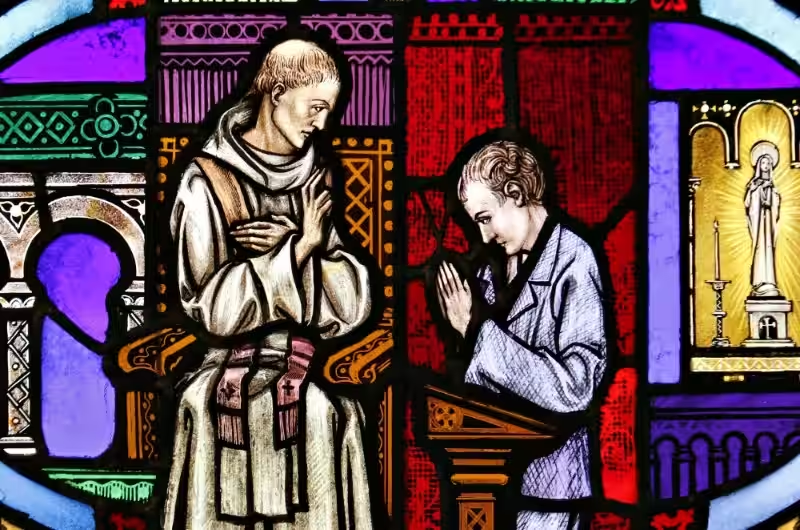
The Act of Contrition is not merely an optional add-on to Catholic confession; it is an integral part of the sacrament. It acts as the spiritual bridge that connects the penitent soul to God’s mercy. When we approach the confessional, our sincere expression of sorrow through this prayer signifies our readiness to receive absolution. It demonstrates that we are not simply going through the motions, but are actively participating in the healing process offered by the Church. The priest, acting in the person of Christ, hears our confession and our Act of Contrition, and then offers God’s forgiveness.
Imagine a doctor prescribing medication. The patient must take the medicine for it to be effective. Similarly, the Act of Contrition is the spiritual “medicine” that prepares our hearts to receive the full grace of absolution in Catholic confession. It is our active participation in the sacrament, our willingness to acknowledge our wrongdoing and to seek God’s healing intervention. Without this sincere expression of repentance, the sacrament, while still valid, might not bring about the deep interior transformation that is possible when accompanied by genuine sorrow.
Different Forms and Expressions of the Act of Contrition
The beauty of the Act of Contrition lies in its adaptability. While the core sentiment remains the same – sorrow for sins and a desire for forgiveness – there are various prayerful expressions that Catholics can use. This allows individuals to connect with the prayer in a way that resonates with their personal spiritual journey and understanding. These variations acknowledge that our relationship with God is unique and our expressions of repentance can be equally personal.
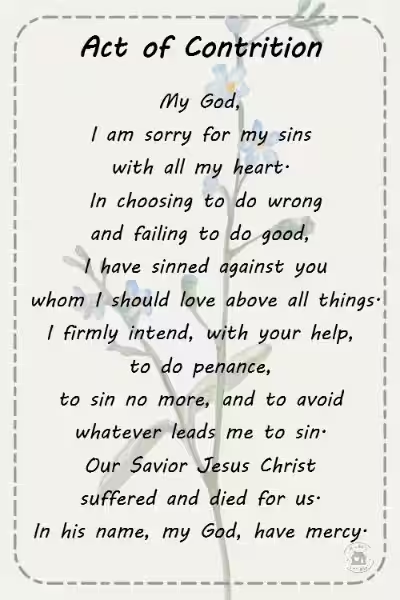
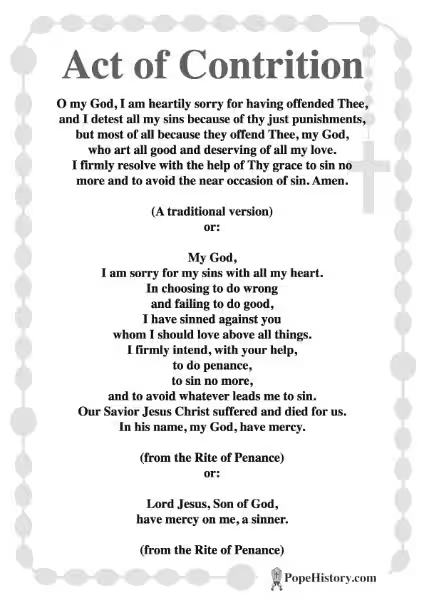
The most commonly recited version is often referred to as the “traditional” Act of Contrition: “O my God, I am heartily sorry for having offended Thee, and I detest all my sins because of the love of Thy holy name, and I firmly purpose, with Thy help, to sin no more and to avoid the near occasion of sin.” However, many other beautiful prayers exist. Some may prefer a simpler, more direct expression, while others might find comfort in more poetic or elaborative petitions. For instance, a more contemporary version might read: “Lord Jesus, Son of God, have mercy on me, a sinner. I am truly sorry for my sins and I ask your forgiveness. I want to live a life pleasing to you. Help me to turn away from sin and to love you more each day.” The important element is not the specific wording, but the sincerity of the heart behind the prayer, the genuine desire for reconciliation offered through Catholic confession.
Preparing Your Heart for Confession: Beyond the Prayer
While the Act of Contrition is a vital component of Catholic confession, the preparation for the sacrament extends beyond just reciting this prayer. A truly fruitful confession involves a deeper examination of conscience, a sincere examination of our lives against the teachings of Christ and the Church. This preparation allows us to identify our sins with clarity and to approach God with a more profound understanding of our spiritual state. It’s about cultivating an interior disposition of humility and self-awareness.
Think of preparing for confession like preparing for an important meeting. You wouldn’t just show up without any forethought. You’d gather information, consider what you want to discuss, and organize your thoughts. Similarly, before entering the confessional, it’s beneficial to spend time in prayer and reflection. This might involve using an examination of conscience guide, which can help you recall specific sins, both in thought, word, deed, and omission. This thorough self-assessment ensures that we are confessing all our mortal sins and making a genuine effort to amend our lives, making the Act of Contrition a more powerful expression of our repentance and our commitment to God’s mercy.
The Ongoing Journey of Amending Your Life
The Act of Contrition in Catholic confession is not a one-time fix, but a commitment to an ongoing journey of spiritual growth and amendment of life. After receiving absolution, the grace of the sacrament empowers us to live more faithfully. This involves actively striving to avoid the sins we have confessed and to cultivate virtues that counter our weaknesses. The purpose of confession is to help us become more like Christ, and this transformation requires continuous effort and reliance on God’s mercy.
After confession, we are called to put our Act of Contrition into practice. This might mean actively avoiding situations that tempt us to sin, seeking out opportunities for good works, and forgiving others as we have been forgiven. It’s about living out the promise made in our Act of Contrition – the firm purpose of sinning no more. This ongoing commitment is where the true healing and transformation of Catholic confession take root, allowing God’s mercy to shape our daily lives. It’s a testament to our faith and our deep desire to live in accordance with His divine will.
The sacrament of Catholic confession, with the humble prayer of the Act of Contrition at its heart, offers us an unparalleled opportunity to experience the boundless mercy of God. It is a safe haven for the weary soul, a place where forgiveness is freely given, and where we are renewed in our relationship with the divine. Each confession is a chance to shed the burden of sin, to experience spiritual healing, and to recommit ourselves to living a life of faith, hope, and love.
Let us not shy away from this sacred rite. Instead, let us approach Catholic confession with a sincere heart, ready to express our repentance through the Act of Contrition, and to embrace the profound mercy that awaits us. It is a journey of humility, healing, and reconciliation, ultimately drawing us closer to the loving heart of God. The power of the Act of Contrition lies not just in its words, but in the transformation it invites within us, a transformation fueled by God’s unending grace and compassion.
Frequently Asked Questions: Act of Contrition Prayer in Catholic Confession
What is the Act of Contrition?
The Act of Contrition is a prayer that expresses sorrow for our sins and a firm intention to amend our lives. It is a vital part of the Sacrament of Confession in the Catholic Church.
Why is the Act of Contrition important for Confession?
The Act of Contrition demonstrates our genuine repentance and desire for God’s forgiveness. It shows that we are truly sorry for offending God and our neighbor through our sins.
When is the Act of Contrition recited during Confession?
The Act of Contrition is typically recited after the priest has heard your sins and assigned a penance. It is a personal prayer of supplication that concludes the confession itself, before the priest pronounces the absolution.
Are there different versions of the Act of Contrition?
Yes, there are several traditional and commonly used versions of the Act of Contrition. While the wording may vary, the core sentiments of sorrow, detestation of sin, and resolution to sin no more remain the same.
What are the essential elements of an Act of Contrition?
The essential elements are:
* Sorrow for sins: A deep regret for having offended God.
* Detestation of sin: A strong dislike and rejection of sin itself.
* Firm purpose of amendment: A sincere intention and commitment not to sin again.
Does God forgive us immediately after reciting the Act of Contrition?
God’s forgiveness is granted through the Sacrament of Confession when the priest, acting in the person of Christ, pronounces the words of absolution. The Act of Contrition is our prayerful preparation and expression of our soul’s readiness to receive that forgiveness.
Can I pray an Act of Contrition outside of Confession?
Yes, you can pray an Act of Contrition at any time as a personal prayer of repentance and to seek God’s mercy, especially when you have sinned but cannot immediately go to Confession. It is a powerful way to maintain a state of grace.