In the journey of faith, many of us seek a clear understanding of what constitutes a serious deviation from God’s will. For adherents of the Roman Catholic Church, this often leads to contemplation of the Roman Catholic mortal sins list. It’s not a topic to be approached with fear or judgment, but rather with the intention of spiritual growth and a deeper relationship with God. This list, while seemingly stark, serves as a vital part of the Church’s teaching on sin and its impact on our spiritual lives. Understanding these grave offenses is crucial for living a life that is both holy and in communion with the divine.
The concept of mortal sin is fundamental to Catholic theology, distinguishing it from venial sin. Mortal sins are considered so serious that they sever the relationship between a soul and God, effectively leading to spiritual death if unrepented. This is why grasping the nature of the Roman Catholic mortal sins list is so important; it’s about understanding the gravity of choices and their potential consequences for our eternal destiny. It’s a call to conscious awareness and intentional living, guiding us toward paths of righteousness and away from those that alienate us from divine love.
Before delving into the specific categories on the Roman Catholic mortal sins list, it’s essential to understand the three conditions that must be met for a sin to be considered mortal. Without these, an action, even if morally wrong, might not carry the same spiritual weight. These conditions are grave matter, full knowledge, and deliberate consent. Each plays a critical role in defining the severity of a transgression and its impact on one’s soul.
Grave matter refers to the seriousness of the sin itself. Think of it as the inherent wrongness of an action. For example, an impulsive, minor lie said to avoid hurting someone’s feelings is different from a calculated deception that ruins another person’s reputation. The Church outlines specific actions that fall under grave matter, which we will explore further. Full knowledge means understanding that the act is sinful and seriously wrong. It’s not about knowing every single theological nuance, but having a general awareness that what you are doing is against God’s clear teachings. Finally, deliberate consent signifies that the person freely and intentionally chooses to commit the sinful act. This means the act wasn’t coerced or accidental. If any of these three elements are missing, the sin is typically considered venial, not mortal.
Decoding the Roman Catholic Mortal Sins List: The Ten Commandments as a Framework
The Roman Catholic mortal sins list is not a standalone document but is deeply rooted in the Ten Commandments, a foundational set of moral principles given to Moses. These commandments provide a clear moral compass, and their serious violation often constitutes grave matter, forming the basis of many mortal sins. Examining the commandments helps us understand the why behind the categories of mortal sin.
Consider the first commandment: “You shall have no other gods before me.” This directly relates to sins of idolatry and apostasy, where one might turn away from God, worship false deities, or deny the fundamental truths of the faith. The second commandment, “You shall not take the name of the Lord your God in vain,” speaks to sins like blasphemy and gross irreverence towards sacred things. These commandments are not merely abstract rules; they are calls to right relationship with God, and their deliberate and knowing violation can have profound spiritual consequences, placing them high on the Roman Catholic mortal sins list.
The sins most directly against God often top the discussion of the Roman Catholic mortal sins list. These are actions that fundamentally reject or undermine one’s relationship with the divine. This category includes acts of apostasy, which is the complete rejection of the Christian faith. Imagine someone who, after having been baptized and professing belief, deliberately and knowingly renounces their faith entirely. This is a grave act because it’s a profound turning away from God.
Another significant offense is heresy, which involves the obstinate denial or doubt of a dogma of the Catholic faith after baptism. This isn’t about struggling with a difficult teaching or asking genuine questions; it’s about a stubborn refusal to accept revealed truth. Blasphemy, which is the direct insult or contempt shown to God, His saints, or sacred things, also falls into this category. For instance, deliberately cursing God or mocking the Eucharist would be considered blasphemy. These are actions that strike at the very core of our faith, aiming to wound our relationship with the Creator.
Serious Violations of Charity Towards Others
Love of neighbor is as fundamental to Catholic teaching as love of God. Therefore, serious violations of this charity are also prominent on the Roman Catholic mortal sins list. These sins actively harm others and damage the fabric of human relationships, which God intends to be built on love and respect.
Key among these are sins of murder and direct, intentional killing. This is the ultimate violation of the commandment “You shall not kill.” It’s about the deliberate taking of an innocent human life. This is distinct from accidental harm or actions taken in legitimate self-defense. Another grave offense is adultery, which is the violation of the marriage covenant. The Church teaches that marriage is a sacred bond, and its deliberate infidelity breaks this promise and inflicts deep pain. Likewise, grave theft, meaning the stealing of something of significant value, is a serious offense against justice and the property rights of others. These actions, when committed with full knowledge and deliberate consent, are considered grave matter and are central to understanding the implications of the Roman Catholic mortal sins list.
Unchaste Acts and Their Implications
The Church’s teachings on sexuality are often a point of discussion, and certain unchaste acts are recognized on the Roman Catholic mortal sins list as grave matter. These teachings are rooted in the understanding of human sexuality as a gift from God, intended for procreation within the sanctity of marriage and for the expression of conjugal love and unity.
This category includes sins such as grave sexual sins committed outside of marriage, which refers to acts that deliberately deviate from the Church’s understanding of licit sexual expression. This can encompass a range of actions that are considered inherently disordered or harmful to the persons involved or to the marital bond. The emphasis here is on the deliberate and knowing choice to engage in these acts. It’s important to remember that the Church’s teachings are aimed at fostering genuine love, respect, and the responsible use of this powerful gift. Understanding this aspect of the Roman Catholic mortal sins list requires a pastoral approach, recognizing human frailty while upholding divine teaching.
Beyond these core categories, the Roman Catholic mortal sins list also encompasses other actions that are considered grave matter due to their profound impact on individuals and society. These often involve a deliberate disregard for truth, justice, or the well-being of others.
Perjury, which is the deliberate lying under oath, is a grave offense against justice and truth. It undermines the legal system and the trust between individuals. Grave scandal, where one’s actions deliberately lead others to commit sin, is also considered a serious offense. Imagine a respected leader who openly promotes immoral behavior; their actions could lead many astray. Finally, grave injustice towards others, such as deliberate and severe oppression or exploitation, also falls under this umbrella. These actions, when committed with the necessary intent and knowledge, highlight the breadth of concerns addressed by the Roman Catholic mortal sins list, emphasizing the interconnectedness of our spiritual and earthly lives.
The Path to Reconciliation: Confession and Forgiveness
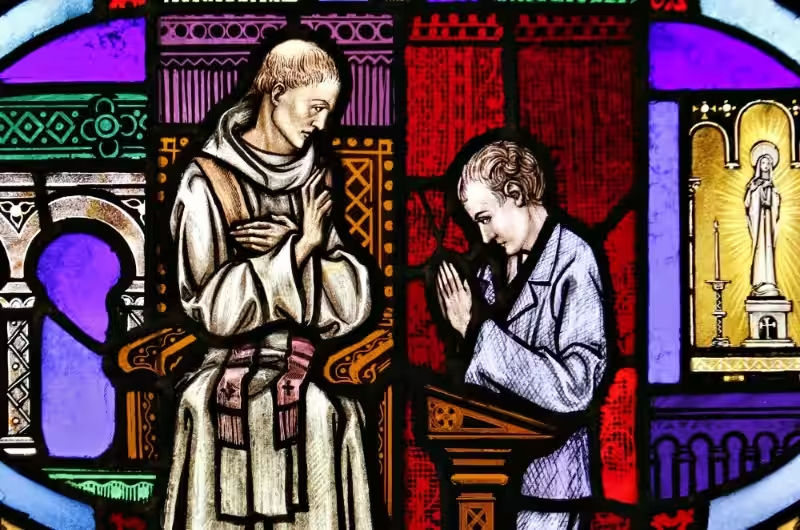
Understanding the Roman Catholic mortal sins list is not about living in perpetual fear of damnation. Instead, it’s about recognizing the seriousness of sin and the profound mercy of God. The Church provides a beautiful sacrament for healing and reconciliation: Confession, also known as the Sacrament of Penance or Reconciliation. This is where the power of God’s forgiveness comes into play, offering a path back to grace.
When we realize we have committed a mortal sin, the Church teaches that it is essential to confess it directly to a priest as soon as possible. This act of humility and sincerity is crucial. During confession, we admit our sins, express contrition (sorrow for our sins), and receive absolution from the priest, acting in the person of Christ. This sacrament not only forgives our sins but also restores our relationship with God and His Church, strengthening us to avoid future sin. It’s a testament to God’s boundless love and His desire for our salvation, making the Roman Catholic mortal sins list a tool for spiritual purification, not condemnation.
The Importance of a Contrite Heart
The efficacy of confession, especially after committing a mortal sin, hinges on a contrite heart. This means having true sorrow for offending God, not just for the consequences of our actions. It’s about recognizing the hurt we have caused to God and to ourselves by turning away from His love.
This sorrow can be perfect contrition, which arises from love of God, or imperfect contrition, which arises from the fear of eternal punishment. Both are gifts from God and can lead to forgiveness. The key is a genuine desire to turn away from sin and to live a life pleasing to God. A simple prayer like, “Lord, I am sorry for my sins, and with your help, I will try not to sin again,” can be a powerful expression of this. This sincere repentance is the cornerstone of reconciliation.
Living a Life of Grace
After receiving absolution, we are called to live a life that reflects this renewed relationship with God. This involves actively avoiding occasions of sin, practicing virtues, and growing in our love for God and neighbor. Understanding the Roman Catholic mortal sins list becomes a catalyst for positive change, guiding us toward actions that build up our spiritual life and contribute to the good of the community.
This journey of faith isn’t about perfection overnight; it’s about consistent effort and reliance on God’s grace. Engaging in prayer, participating in the sacraments, and seeking spiritual guidance are all vital components of this ongoing process. By embracing the teachings of the Church and striving to live a life of charity and holiness, we can navigate our spiritual journey with clarity and confidence, knowing that God’s mercy is always available to us.
Frequently Asked Questions: Roman Catholic Mortal Sins
What are mortal sins in the Catholic Church?
Mortal sins are grave offenses against God that destroy charity in the heart of the person and turn them away from God. For a sin to be mortal, three conditions must be met: grave matter, full knowledge, and deliberate consent.
What are examples of grave matter that constitute mortal sin?
Examples of grave matter include, but are not limited to:
* Deliberate murder
* Adultery and fornication
* Theft of a significant amount
* Gravely harming one’s own body or the body of another
* Grave disrespect towards God, such as blasphemy or sacrilege
* Serious sins against justice, such as bearing false witness or gravely slandering another
What does “full knowledge” mean in relation to mortal sin?
Full knowledge means that the person is aware that the act they are committing is sinful and is contrary to God’s law. If someone does not know an act is wrong, or has serious doubts about its sinfulness, they may not have full knowledge.
What is “deliberate consent”?
Deliberate consent means that the person freely chooses to commit the sinful act. If someone is forced to do something against their will, or acts under extreme duress, they may not have full deliberate consent.
Can venial sins become mortal sins?
Venial sins are less serious offenses that wound but do not destroy the relationship with God. While a venial sin is not a mortal sin in itself, repeated venial sins, if committed with full knowledge and deliberate consent, can weaken one’s will and potentially lead to mortal sin.
Is there an official “list” of all mortal sins?
While the Catechism of the Catholic Church provides categories and examples of grave matter that can constitute mortal sin, there is no single, exhaustive, definitive “list” that covers every conceivable situation. The determination of whether a sin is mortal often depends on the specific circumstances and the individual’s state of knowledge and consent.
What are the consequences of dying in a state of mortal sin?
According to Catholic teaching, dying in a state of unrepented mortal sin without having received God’s merciful love and forgiveness would lead to eternal separation from God, which is hell.
What is the Sacrament of Reconciliation (Confession)?
The Sacrament of Reconciliation, also known as Confession, is the means by which Catholics can confess their sins to a priest and receive God’s forgiveness. It is considered essential for the forgiveness of mortal sins.
What is the role of the Ten Commandments and the Beatitudes in understanding mortal sin?
The Ten Commandments and the Beatitudes provide clear moral guidance from God. Violating the commandments in a grave way, with full knowledge and deliberate consent, can be considered mortal sin. They serve as foundational principles for understanding what is pleasing to God and what is not.
How can a Catholic avoid committing mortal sin?
Avoiding mortal sin involves living a life of prayer, regular reception of the Sacraments (especially the Eucharist and Reconciliation), studying scripture and Church teachings, cultivating virtues, and seeking guidance from spiritual directors or confessors.