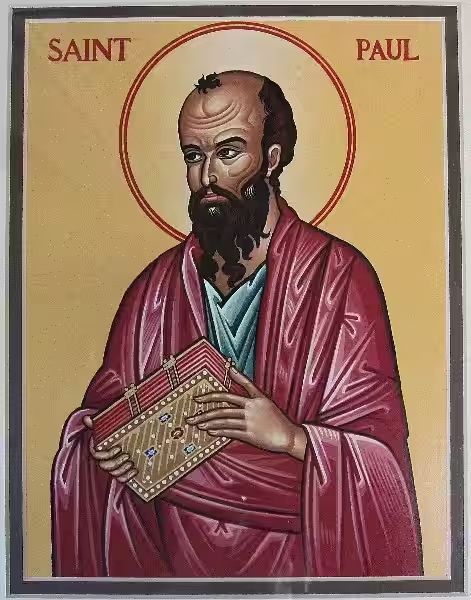
Have you ever felt a tug in your spirit, a yearning for a deeper understanding of what it truly means to be a follower of Christ? Perhaps you’ve stumbled upon Bible verses that seem profound yet elusive, or maybe you’re simply drawn to explore the foundational principles of Christian belief. The book of Romans, penned by the Apostle Paul, is a cornerstone of Christian theology, offering a rich tapestry of insights that have shaped countless lives throughout history. It’s not just a dusty old text; it’s a vibrant, living letter intended to illuminate the very essence of our faith, providing clarity, assurance, and a profound connection to God’s redemptive plan.
This article aims to demystify this powerful epistle, weaving a comprehensive summary of the Book of Romans into a narrative that is both informative and deeply relatable. We’ll explore its core themes, unpack its transformative message, and discover how its ancient wisdom can resonate powerfully in our modern lives. Get ready to unlock the heartbeat of faith as we journey through Paul’s most significant letter.
The Universal Need for God: Acknowledging Our Fallen State
One of the most striking aspects of the Book of Romans, particularly in its opening chapters, is its unflinching honesty about the human condition. Paul doesn’t shy away from the reality that every single person, regardless of their background, culture, or moral standing, faces a fundamental problem: sin. He argues that humanity, in its natural state, is estranged from God and incapable of reaching Him through our own efforts. This isn’t about pointing fingers or condemning individuals; rather, it’s a diagnostic tool, revealing a universal ailment that requires a divine remedy.
Paul masterfully illustrates this point by examining different facets of human behavior. He speaks of the unrighteousness of those who suppress the truth, turning away from the evidence of God’s existence in creation. He discusses how even those who have a moral code often fall short, demonstrating that perfect adherence to the law is impossible for us. Think of it like trying to build a skyscraper with faulty materials; no matter how skilled the builders, the structure is destined to collapse. This initial summary of Romans highlights our collective need for something beyond ourselves – a divine intervention to bridge the gap between us and a holy God.
The Demonstration of God’s Righteousness: The Gift of Justification
After laying bare the universal problem of sin, Paul pivots to the glorious solution God has provided: justification by faith. This is arguably the central theme of the Book of Romans, a concept that revolutionized the early church and continues to be the bedrock of Christian salvation. Justification, in simple terms, means being declared righteous in God’s eyes, not because of anything we’ve done, but because of what Christ has done for us. It’s a free gift, a divine imputation of Christ’s perfect righteousness onto us.
Paul powerfully explains that we are justified by grace through faith in Jesus Christ. This means our standing with God is not earned; it’s received. Imagine a judge who has the authority to pardon a guilty defendant. That’s essentially what God does for us through Jesus. We are guilty, but through faith in Jesus’ sacrifice on the cross, we are pardoned and declared righteous. This is a profound shift from a system of works to a system of unmerited favor. The summary of Romans here is liberating: our acceptance with God is secure not in our performance, but in His perfect love and sacrifice.
The Transformation of the Believer: Living a Life of Freedom
With the foundation of justification firmly established, Paul moves on to the practical implications of this new life in Christ. The Book of Romans doesn’t stop at declaring us righteous; it guides us on how to live out that righteousness in our daily lives. This involves a profound transformation, a renewing of the mind, and a life empowered by the Holy Spirit. It’s about moving from a state of spiritual slavery to one of freedom and obedience motivated by love, not by fear.
A key aspect of this transformation is understanding our union with Christ. When we believe in Jesus, we are spiritually united with Him. This means His death is our death to sin, and His resurrection is our resurrection to new life. Paul explains that we are no longer slaves to sin, but have become slaves to righteousness. This isn’t a burden; it’s a joyful surrender to the One who has liberated us. The summary of Romans here emphasizes that this isn’t about perfectionism, but about a progressive sanctification, a journey of becoming more like Christ day by day, empowered by His Spirit living within us.
The Role of the Holy Spirit: Our Empowering Companion
Central to this transformation is the indispensable role of the Holy Spirit. Paul emphasizes that we cannot live this new life in our own strength. The Holy Spirit is God’s active presence within believers, providing the power, guidance, and assurance needed to live a life pleasing to Him. He is our advocate, our comforter, and the guarantor of our inheritance. Without His indwelling presence, the Christian life would be an impossible endeavor.
The summary of Romans reveals that the Spirit enables us to overcome the desires of the flesh, to pray effectively, and to understand God’s will. He helps us to truly live out the truth of our justification. Think of it like learning a new skill, like playing a musical instrument. Initially, it’s difficult and requires immense effort. But with consistent practice and the guidance of a teacher, mastery becomes possible. The Holy Spirit is our divine teacher and empowers us to live victoriously over sin and to bear fruit that glorifies God.
God’s Unwavering Plan: Israel, the Gentiles, and God’s Sovereignty
As the Book of Romans progresses, Paul delves into the intricate relationship between God’s plan for Israel and His plan for the Gentiles (non-Jews). He grapples with the apparent paradox of God’s covenant faithfulness to Israel while also extending salvation to people from all nations through Christ. This section can seem complex, but its core message is about God’s unfailing sovereignty and His inclusive love.
Paul assures his readers that God has not abandoned His people Israel. He explains that not all who are descendants of Israel are true Israelites in God’s eyes, and that salvation is available to anyone who believes, regardless of their ethnic background. He uses the analogy of an olive tree, with Gentile believers being grafted into the root that is Israel’s heritage through faith in Christ. This summary of Romans underscores that God’s redemptive plan is global and encompassing, demonstrating His unchanging purpose to bring people from every tribe, tongue, and nation into His family.
Living in Light of God’s Mercy: Practical Exhortations for Daily Life
The final chapters of Romans shift from theological exposition to practical application, offering a series of powerful exhortations for how believers should live. Paul urges Christians to present their bodies as living sacrifices, holy and acceptable to God, which is their spiritual worship. This is a call to dedicate our entire lives – our minds, bodies, and wills – to God’s service. It’s about actively choosing to live in obedience to Him, transformed by the truth we’ve received.
The summary of Romans in these concluding chapters is a call to authentic faith, demonstrated through concrete actions. We are encouraged to love one another, to submit to governing authorities, to live peaceably with all people, and to put on the armor of light, rejecting the works of darkness. It’s about living out our justification in tangible ways, reflecting God’s love and grace in our interactions with the world. Paul’s final greeting and benediction underscore the enduring power of God’s grace and peace for all who believe.
Conclusion: The Enduring Relevance of Romans
The Book of Romans is more than just a theological treatise; it is a roadmap for the soul, a profound exploration of God’s magnificent plan of salvation that is both intellectually stimulating and deeply moving. From the universal acknowledgment of our sinfulness to the glorious declaration of justification by faith, and on to the transformative power of the Holy Spirit and the practical outworking of our faith, Romans offers an unparalleled understanding of what it means to be a follower of Jesus Christ.
Whether you are new to your faith journey or have been a believer for years, the Book of Romans offers fresh insights and profound encouragement. Its message of God’s unconditional love, His unwavering faithfulness, and His abundant grace is as relevant today as it was two thousand years ago. May this summary of the Book of Romans inspire you to delve deeper, to embrace its truths, and to live a life that truly reflects the transformative power of the gospel. The heartbeat of faith found within these pages is an invitation to a life of purpose, peace, and eternal hope.
Frequently Asked Questions: Romans Book Summary & Religion
What is the main message of the Book of Romans?
The Book of Romans, written by the Apostle Paul, primarily explains the gospel of Jesus Christ. Its central theme is God’s righteousness revealed through faith in Jesus. It emphasizes that salvation is a gift from God, received by grace through faith, not by adhering to the Law. It also discusses the implications of this righteousness for both Jews and Gentiles, the role of the Holy Spirit, and how believers should live their lives in response to God’s salvation.
How does the Book of Romans relate to the concept of justification?
Justification is a core concept in Romans. Paul argues that humans are sinners who cannot justify themselves before God through their own efforts or adherence to the Law. Instead, God declares believers righteous (justifies them) through their faith in Jesus Christ. This is a legal standing, where Christ’s sacrifice is credited to believers, covering their sins and imputing His righteousness to them.
Faith is absolutely central to the message of Romans. Paul repeatedly emphasizes that salvation is received “by grace through faith” (Ephesians 2:8). Faith is not just intellectual assent, but a deep trust and reliance on Jesus Christ and His atoning sacrifice. It is through faith that believers are united with Christ and receive the benefits of His righteousness.
How does Romans explain the difference between Jews and Gentiles in God’s plan?
Romans addresses the tension and relationship between Jews and Gentiles within God’s salvific plan. Paul explains that both groups are sinners and in need of salvation. He clarifies that salvation is not dependent on ethnic background or adherence to the Mosaic Law, but on faith in Jesus. While God’s covenant was initially with the Jews, the gospel is now extended to all people, both Jew and Gentile, who believe in Christ.
What does Romans say about the Law?
The Book of Romans discusses the Law (referring primarily to the Mosaic Law) in several ways. Paul argues that the Law, while holy and good, cannot save people because it highlights sin and reveals humanity’s inability to keep it perfectly. Instead, the Law serves as a tutor to lead people to understand their sinfulness and their need for a Savior. For believers, the power of sin is broken through Christ, and they are freed from the condemnation of the Law, living by the Spirit.
What are the practical implications for believers according to Romans?
Romans provides extensive practical guidance for Christian living. Because believers have been justified by God’s grace, they are called to live transformed lives. This includes presenting their bodies as living sacrifices, not conforming to the patterns of the world, loving one another, living in submission to governing authorities, and using their spiritual gifts to serve the church. The emphasis is on living a life that reflects the new identity and freedom found in Christ.
How does Romans describe the work of the Holy Spirit?
The Holy Spirit plays a vital role in Romans. Paul explains that the Holy Spirit indwells believers, empowering them to live a righteous life and overcome sin. The Spirit testifies to our adoption as God’s children, helps us in our weaknesses, and is the guarantee of our future inheritance. Through the Spirit, believers are freed from the “law of sin and death” and empowered to live according to God’s will.
Is the Book of Romans relevant to modern Christianity?
Absolutely. The Book of Romans remains one of the most influential and foundational books in Christian theology. Its clear explanation of salvation by grace through faith, the nature of sin, the righteousness of God, and the transformed life of a believer continues to be central to Christian doctrine and practice today. It provides a robust theological framework for understanding the Christian faith.