Easter in Rome is not just a holiday; it’s an immersion into the very foundations of Western Christianity. The Eternal City, already steeped in history and grandeur, transforms into a vibrant epicenter of faith during this sacred period. Imagine cobblestone streets echoing with solemn processions, ancient basilicas bathed in the golden glow of candlelight, and the air thick with a palpable sense of devotion. For millions, Rome during Easter offers an unparalleled opportunity to connect with the profound narratives of sacrifice, redemption, and new life that lie at the core of the Christian message.
This article will guide you through the spiritual landscape of Rome during Easter, offering insights, practical advice, and a glimpse into the rich tapestry of traditions. Whether you’re a devout pilgrim seeking a profound spiritual experience or a curious traveler eager to witness a significant cultural event, understanding the nuances of Rome during Easter can enrich your journey immeasurably. We’ll explore not only the iconic religious ceremonies but also the atmosphere that permeates the city, making it a truly unforgettable destination during this holiest of seasons.
Easter, or Pasqua in Italian, holds immense significance in Rome, the seat of the Catholic Church. It commemorates the resurrection of Jesus Christ, a cornerstone event in Christianity, signifying victory over death and the promise of eternal life. The Vatican City, home to the Pope, becomes the focal point for global celebrations, drawing pilgrims and visitors from every corner of the earth. The events that unfold in Rome during Easter are not merely symbolic; they are living expressions of faith, passed down through generations and deeply embedded in the city’s identity.
The spiritual resonance of Rome during Easter stems from its historical connection to the early Christian church. Many of the sites where these pivotal events are remembered are located within the city, lending an extraordinary authenticity to the celebrations. From the ancient catacombs where early Christians worshipped in secret to the majestic basilicas built to honor martyrs and apostles, the very stones of Rome whisper tales of faith. This profound historical linkage amplifies the spiritual impact of Easter, making it a uniquely powerful experience for those who visit.
The Pope’s Role and Key Vatican Ceremonies
The presence and pronouncements of the Pope are central to Easter celebrations in Rome. As the head of the Catholic Church, his participation in the various liturgies lends an unparalleled spiritual gravitas to the events. The Pope presides over some of the most significant ceremonies, drawing the attention of the world and offering messages of hope and peace. Understanding his schedule and the nature of these ceremonies is key to experiencing the heart of Rome during Easter.
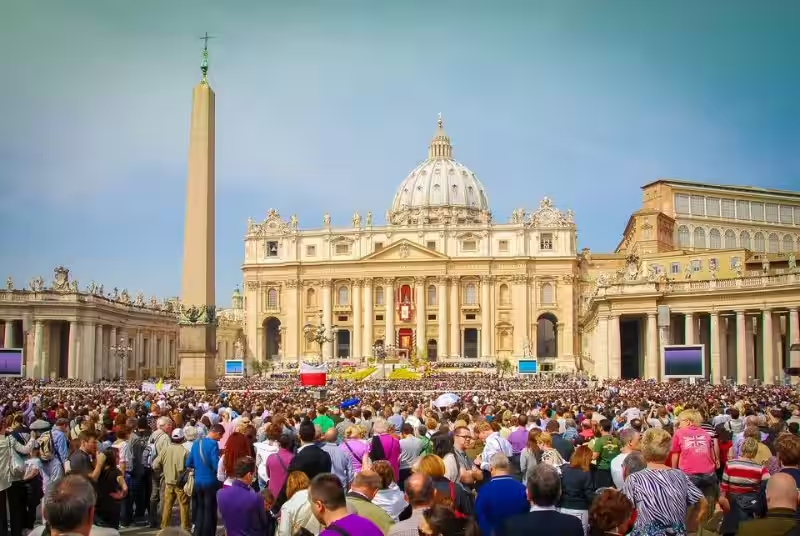
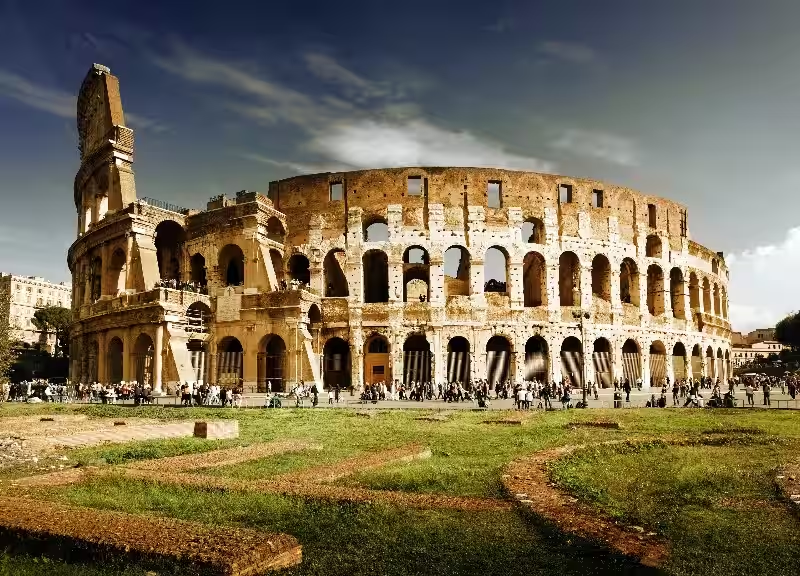
Among the most impactful ceremonies are the Holy Week events. This period begins with Palm Sunday, where the Pope blesses palm branches and leads a procession, often at St. Peter’s Square. This is followed by Maundy Thursday, commemorating the Last Supper, which includes the washing of the feet, a powerful act of humility. Good Friday is marked by solemn services and the poignant Way of the Cross procession led by the Pope, often at the Colosseum, a profoundly moving re-enactment of Christ’s suffering. The culmination is Easter Vigil on Saturday night, a long and deeply spiritual service, and then Easter Sunday Mass, where the Pope delivers his iconic “Urbi et Orbi” (to the city and the world) message and blessing, a highlight for many visiting Rome during Easter.
Navigating the Crowds and Booking in Advance
Experiencing the major ceremonies in Rome during Easter, especially those involving the Pope, requires strategic planning due to the immense crowds. Millions of people converge on the Vatican and surrounding areas, turning iconic landmarks into bustling hubs of activity. It’s not uncommon for queues to stretch for hours, and securing good vantage points can be a challenge. Booking accommodations and any desired guided tours well in advance is absolutely crucial.
For those wishing to attend Papal events, tickets are often required and are free, but they must be requested through the Prefecture of the Papal Household or through your local diocese. These tickets are distributed on a first-come, first-served basis, so the earlier you apply, the better your chances. Without these, you’ll likely be watching on large screens erected in St. Peter’s Square, which is still an incredible experience, but for a truly immersive feel within Rome during Easter, securing tickets is advisable. Consider arriving exceptionally early for any public event, even with tickets, to navigate security and find a suitable spot.
Beyond the Vatican: Experiencing Local Traditions
While the Vatican is undoubtedly the epicenter, Rome during Easter offers a rich tapestry of local traditions that can be just as moving and insightful. Many churches throughout the city hold their own unique services and processions, often with centuries-old customs. These smaller, more intimate gatherings can provide a genuine glimpse into the faith of the Roman people and offer a more personal connection to the holiday.
For instance, several parishes organize religious processions on Good Friday, carrying statues of the Virgin Mary and Christ through the streets. The procession of the “Cristo Morto” (Dead Christ) in Trastevere is particularly famous, a somber and atmospheric event illuminated by thousands of candles. Exploring neighborhoods like Trastevere or Monti during this time can reveal these beautiful, less-publicized aspects of Rome during Easter. Many basilicas also host special concerts of sacred music, adding another layer of artistic and spiritual enrichment to your visit.
Easter in Rome is also a time of culinary celebration, embodying the spirit of renewal and abundance. While the focus is undeniably religious, the festive nature of the holiday extends to the table. Traditional Italian Easter menus are diverse and delicious, with regional variations adding to the gastronomic adventure.
A quintessential Easter dish you’ll find across Rome during Easter is “agnello” (lamb), symbolizing the Paschal Lamb. It’s often roasted with herbs or prepared in stews. Another popular item is “pizza al formaggio” (cheese bread), a savory, cheesy loaf that’s a staple for Easter breakfast or brunch. For dessert, “colomba pasquale” (Easter dove), a sweet bread shaped like a dove and topped with almonds and sugar, is a ubiquitous and beloved treat. Many restaurants and bakeries will be offering these festive specialties, making it a delicious way to engage with the culture of Rome during Easter.
Preparing for Your Spiritual Journey
To truly make the most of your experience of Rome during Easter, a little preparation goes a long way. Understanding the religious significance, the logistical challenges, and the opportunities for spiritual engagement will enhance your journey from a simple visit to a profound pilgrimage.
Consider dressing respectfully when visiting churches and attending services, especially during Holy Week. This typically means covering your shoulders and knees. Familiarize yourself with the basic tenets of the Holy Week services so you can follow along and appreciate the liturgy. Many churches will have explanations or programs available. Finally, remember that this is a time of deep religious significance for many; approaching the events with reverence and respect will undoubtedly enrich your personal experience of Rome during Easter.
Easter in Rome: Frequently Asked Questions
Is Rome a good place to visit for Easter if I’m not religious?
Yes, Rome offers a lot to see and do during Easter even if you’re not religious. The city is incredibly beautiful during this time, with many parks in bloom and a vibrant atmosphere. You can enjoy the historical sites, museums, art galleries, and the general ambiance of the city. Many cultural events and concerts also take place. The focus on religious events is concentrated in Vatican City and a few specific churches, so you can easily avoid them if you prefer.
What are the main religious events in Rome during Easter week?
The most significant religious events are centered around Vatican City and are led by the Pope. These include:
* Palm Sunday: The Pope leads Mass in St. Peter’s Square, commemorating Jesus’ arrival in Jerusalem.
* Holy Thursday: The Pope celebrates the Mass of the Lord’s Supper in St. Peter’s Basilica, including the ritual washing of feet.
* Good Friday: The Pope leads the Way of the Cross procession around the Colosseum.
* Holy Saturday (Easter Vigil): The Pope presides over the Easter Vigil service in St. Peter’s Basilica, which is the most important service of the year.
* Easter Sunday: The Pope delivers the Easter Urbi et Orbi (to the city and the world) blessing from the central balcony of St. Peter’s Basilica and celebrates Mass.
Yes, for any events led by the Pope in St. Peter’s Square or Basilica (like the Papal Mass, Urbi et Orbi blessing, or Easter Vigil), you will need to secure free tickets. These are distributed through the Prefecture of the Papal Household. It’s advisable to book these well in advance, often months ahead, by contacting them through official channels. For other churches, access is generally open, though it can become very crowded.
What should I wear if I plan to attend a Papal Mass or other Vatican events?
There is a strict dress code for entering St. Peter’s Basilica and attending Papal events. Shoulders and knees must be covered. This means no shorts, short skirts, or sleeveless tops. It’s advisable to err on the side of modesty.
Are there any specific churches in Rome that are important for Easter celebrations besides the Vatican?
Yes, many historic churches in Rome have significant Easter services. Some of the most important include:
* St. Peter’s Basilica (Vatican City): The primary location for Papal events.
* Basilica di San Giovanni in Laterano: The Pope’s cathedral as Bishop of Rome.
* Basilica di Santa Maria Maggiore: One of the four major papal basilicas.
* Basilica di San Paolo Fuori le Mura (St. Paul Outside the Walls): Another of the four major papal basilicas.
* Churches in Trastevere: Many charming local churches will hold their own services.
Will public transportation be affected during Easter week?
Public transportation generally operates on a normal schedule, but there may be some adjustments or closures on Easter Sunday and Easter Monday. Crowds around major religious sites can also impact travel times and accessibility. It’s a good idea to check the ATAC (Rome’s public transport authority) website closer to your travel dates for any specific service changes.
Is it possible to attend Mass in English during Easter week?
Yes, many churches in Rome offer Mass in English, especially those frequented by tourists and expatriates. St. Patrick’s Church, an American Catholic parish, and other churches like Santa Susanna and San Silvestro al Quirinale often have services in English. It’s best to check the individual church websites for their Easter Mass schedules.