Embarking on a second marriage is a significant life event, imbued with a unique blend of hope, experience, and often, a deep consideration of faith. For many, the journey toward second marriage matrimony involves navigating not just personal emotions and logistical planning, but also the intricate tapestry of religious beliefs and practices. This isn’t simply about saying “I do” again; it’s about reaffirming commitment within the framework of one’s spiritual convictions, understanding how faith traditions guide, support, and sometimes challenge the path to new unions.
The decision to enter into second marriage matrimony often comes after a period of reflection, healing, and personal growth. It’s a testament to resilience and the enduring human desire for companionship and shared life. However, when religion plays a central role in one’s life, the considerations for a subsequent union become particularly nuanced. Understanding the specific doctrines, rituals, and community expectations surrounding remarriage within your faith is crucial for a fulfilling and spiritually grounded second marriage.
Understanding Religious Perspectives on Second Marriage Matrimony
Different religions offer a wide spectrum of views on second marriage, ranging from outright prohibition to conditional acceptance and even enthusiastic endorsement. These perspectives are often rooted in sacred texts, historical interpretations, and evolving societal norms. For individuals considering second marriage matrimony, a thorough exploration of their faith’s stance is not just an intellectual exercise, but a spiritual imperative that can shape the very foundation of their new family.
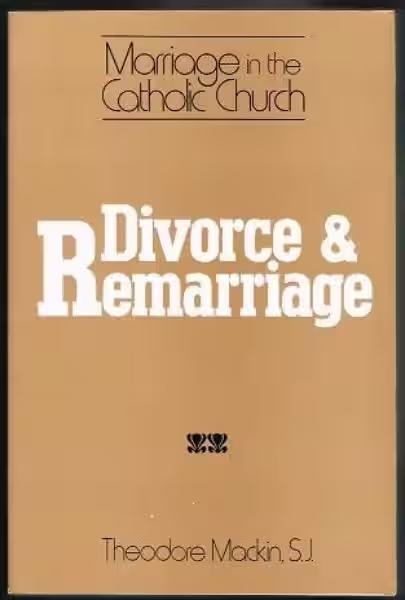
For instance, some Christian denominations may have varying policies on remarriage after divorce, with some allowing it freely, others requiring a period of penance or specific counseling, and some, like the Catholic Church, historically requiring an annulment rather than allowing divorce and remarriage. Similarly, in Judaism, while second marriages are generally permitted, there can be discussions around the Ketubah (marriage contract) and its implications. In Islam, remarriage for both men and women is permissible, but societal expectations and cultural nuances can play a significant role. Understanding these religious guidelines ensures that your second marriage matrimony aligns with your deeply held beliefs.
One of the most complex scenarios within second marriage matrimony arises when partners come from different religious backgrounds. Interfaith marriages, especially subsequent ones, bring a unique set of challenges and opportunities for growth. It requires open communication, mutual respect, and a willingness to find common ground or agree on how to respectfully navigate differing traditions.
The decision of how to raise children, celebrate holidays, and participate in religious life becomes a central dialogue. For example, if one partner is Catholic and the other is Jewish, discussions might revolve around baptism, bar mitzvahs, and which holidays will be observed with particular reverence. Open dialogue and compromise are paramount. It’s about building a shared spiritual life that honors both individuals’ histories and creates a new, unified spiritual future for the second marriage matrimony. This journey demands empathy and understanding from both partners.
The Role of Religious Leaders and Communities
Religious leaders and communities can be invaluable resources for couples entering second marriage matrimony. They can offer guidance, pre-marital counseling tailored to the specific challenges of remarriage, and a supportive environment for the new union. Many clergy members are experienced in helping couples navigate the emotional, spiritual, and practical aspects of second marriages, including blending families and addressing past traumas.
Seeking counsel from your religious leader can not only clarify doctrinal stances but also provide a spiritual blessing and a sense of belonging for your second marriage matrimony. Furthermore, the community itself can offer support through prayer, fellowship, and practical assistance as you build your new life together. This communal embrace can be particularly comforting for those who may have faced stigma or judgment in the past regarding remarriage.
Practical Considerations for Second Marriage Matrimony within a Religious Framework
Beyond the theological discussions, there are practical elements to consider when planning a second marriage matrimony within your religious context. This includes understanding the specific ceremony requirements, potential waiting periods after a previous divorce, and any pre-marital education mandated by your faith.
For example, some religious institutions might require pre-nuptial counseling specifically designed for remarriage, focusing on issues like blended families, financial planning, and communication strategies. Others may have specific liturgical requirements or limitations on the kinds of vows that can be exchanged. Thorough preparation ensures that your second marriage matrimony is not only legally recognized but also spiritually sanctioned and celebrated in a way that is meaningful to you and your faith community.
A significant aspect of second marriage matrimony often involves the integration of children from previous relationships. This family blending is a delicate process, and religious values can play a crucial role in fostering a harmonious environment. Discussions about how to instill shared values, manage differing religious upbringings, and create a unified family identity are essential.
For instance, a couple might decide to attend services together as a new family unit, or to establish new family traditions that incorporate elements from both their religious backgrounds. Open communication with children about the second marriage and the role of faith in their new family is vital. This shared spiritual journey can become a powerful bonding element for the entire family, strengthening the second marriage matrimony.
Ceremonies and Rituals for Second Marriages
The type of ceremony you choose for your second marriage matrimony can also be influenced by your religious beliefs and personal preferences. Some couples opt for a more traditional religious ceremony, while others may prefer a civil ceremony followed by a smaller, more personal religious blessing.
It’s important to discuss your desires with your religious leader to understand what is permissible and how to best honor your faith. You might find that certain religious traditions offer specific rites or blessings for second marriages, acknowledging the couple’s journey and affirming their commitment within a sacred context. Personalizing the ceremony while remaining true to your religious convictions can make your second marriage matrimony a deeply meaningful experience for everyone involved.
The Spiritual Significance of Second Marriage Matrimony
Ultimately, second marriage matrimony is an opportunity for profound spiritual growth and affirmation. It’s a chance to build a new life founded on lessons learned, a deeper understanding of love, and an unwavering commitment to your partner and your faith. The experience of navigating remarriage within a religious framework can deepen your spiritual connection and strengthen your faith in the enduring power of love and commitment.
Embracing your second marriage matrimony with faith as your guide allows for a richer, more resilient union. It’s a testament to the belief that new beginnings are not only possible but can be incredibly blessed and spiritually fulfilling. This journey, while unique to each couple, is a beautiful exploration of love, resilience, and the sacred commitment that binds two souls together for a second time.
Frequently Asked Questions: Second Marriage and Religion
Is it permissible to enter into a second marriage within my religion?
Most major religions permit remarriage after widowhood or divorce. However, the specific rules, rituals, and societal acceptance can vary significantly. It’s advisable to consult with religious leaders or texts specific to your denomination for precise guidance.
Are there religious ceremonies for second marriages?
Yes, many religions offer ceremonies or blessings for second marriages. These may differ from the traditional ceremonies for first marriages, often reflecting the couple’s prior marital experiences and ensuring sincerity. Some may involve less elaborate rituals or focus more on spiritual commitment.
Does my religion have any restrictions on who I can marry for a second time?
Restrictions can exist based on religious kinship rules, previous marital status (e.g., divorce grounds), or the religious affiliation of the prospective spouse. For example, some religions may have prohibitions against marrying someone of a different faith, or specific rules regarding remarriage after divorce. Again, consulting religious authorities is key.
How does my religion view remarriage after divorce versus widowhood?
Remarriage after widowhood is generally viewed more straightforwardly than remarriage after divorce. Divorce is often seen as a more complex situation with varying interpretations regarding fault, reconciliation, and the validity of the dissolution of the first marriage. This can influence the permissibility and nature of a second marriage ceremony.
Are there any specific religious requirements or pre-marital counseling for second marriages?
Some religious institutions may require pre-marital counseling for all couples, including those entering a second marriage. This counseling often focuses on understanding past experiences, ensuring readiness for a new commitment, and aligning expectations. Specific religious courses or discussions might also be recommended.