Lent, a sacred period in the liturgical calendar of the Catholic Church, is far more than just a forty-day countdown to Easter. It represents a profound spiritual journey, a deliberate time for introspection, penance, and renewed commitment to faith. The Catholic Church rules for Lent, while seemingly prescriptive, are fundamentally designed to guide believers towards a deeper, more meaningful encounter with God. This season is an invitation to examine our lives, to shed the unnecessary burdens of sin and worldly distractions, and to cultivate virtues that draw us closer to Christ’s sacrifice and eventual resurrection. It’s a time to consciously turn our hearts and minds towards spiritual renewal, preparing ourselves to fully embrace the joy of Easter.
Think of Lent as a spiritual detox. Just as we might cleanse our bodies of unhealthy habits, Lent offers us the opportunity to cleanse our souls. The rules for Lent, therefore, are not meant to be burdensome obligations but rather helpful signposts on this path of purification. They encourage us to discipline our desires, to practice self-denial, and to focus our energies on prayer, almsgiving, and fasting – pillars of Lenten observance that have been faithfully upheld by the Church for centuries. These practices, when embraced with genuine intention, can unlock a profound sense of spiritual freedom and clarity.
The Pillars of Lenten Practice: Fasting, Abstinence, and Almsgiving
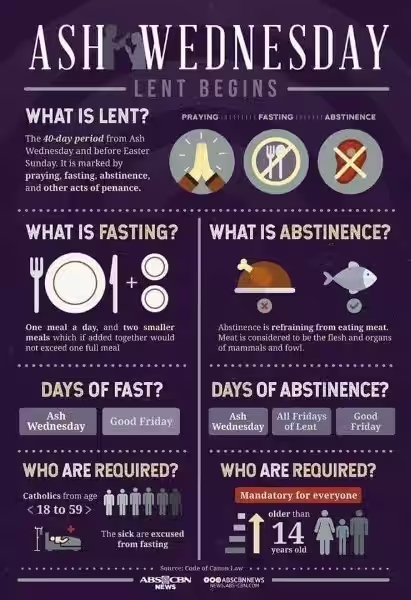
At the core of the Catholic Church rules for Lent lie the practices of fasting, abstinence, and almsgiving. These are not arbitrary commandments but time-tested methods for spiritual growth and solidarity with those less fortunate. Fasting is primarily observed on Ash Wednesday and Good Friday, and it involves limiting oneself to one full meal, with smaller amounts allowed at two other meals. This practice is a tangible way to cultivate self-control and to remember the hunger and suffering experienced by many around the world. It’s about recognizing our dependence on God and detaching ourselves from excessive reliance on material comforts.
Abstinence from meat is another cornerstone of Lenten observance, especially on Ash Wednesday, all Fridays of Lent, and Good Friday. This rule is a historical echo of the early Church’s practice of abstaining from “flesh” as a form of penance, symbolizing the sacrifice of Christ. For many, it’s a simple yet powerful act of sacrifice and solidarity. While newer guidelines allow for other forms of penance on Fridays, the tradition of abstaining from meat remains a deeply ingrained and spiritually significant practice for Catholics. This act of foregoing a common food item can serve as a constant, albeit subtle, reminder of our Lenten commitment throughout the week.
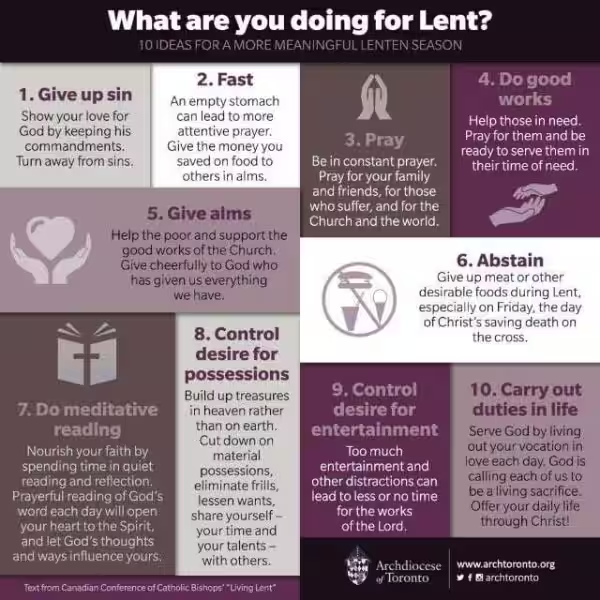
Beyond self-denial, Lent is also a season for generosity and compassion. Almsgiving, or charitable giving, is strongly encouraged. This means not only donating financially to those in need but also giving of our time, talents, and presence. It’s about actively reaching out to our communities and making a positive difference in the lives of others. The Catholic Church rules for Lent emphasize that our spiritual growth should translate into outward acts of love and service. Consider it a way to put faith into action, extending the mercy we hope to receive from God to those around us. This might involve volunteering at a local shelter, dedicating time to a friend who is struggling, or simply offering a listening ear to someone in need.
Navigating the Nuances: Age, Health, and Particular Circumstances
It’s important to understand that the Catholic Church rules for Lent are not one-size-fits-all. The Church, in its wisdom, recognizes that individuals have different capacities and circumstances. For instance, fasting primarily applies to Catholics between the ages of 18 and 59. Similarly, abstinence from meat is generally required for those aged 14 and older. These age guidelines are in place to ensure that the practices are appropriate and beneficial for different stages of life. The Church understands that childhood and old age have their own unique spiritual needs and physical considerations.
Furthermore, the Church is compassionate regarding health and physical limitations. Those who are ill, pregnant, nursing, or engaged in physically demanding labor are typically dispensed from the strictures of fasting and abstinence. The primary goal is spiritual growth, not physical harm. If you have concerns about how the rules for Lent apply to your specific health situation, it is always advisable to consult with your parish priest or spiritual director. They can offer personalized guidance and help you find appropriate ways to observe the season that are both faithful and healthy. The spirit of Lent is about intentionality and devotion, not rigid adherence that could be detrimental.
While the Catholic Church rules for Lent provide a valuable framework, it is the spirit behind these practices that truly imbues the season with meaning. Lent is ultimately a time to deepen our relationship with God through prayer, reflection, and repentance. It’s about embracing a posture of humility and acknowledging our need for God’s grace. The sacrament of Reconciliation (Confession) often sees a surge in participation during Lent, as individuals seek to unburden themselves of sin and begin anew. This sacrament offers a profound experience of God’s forgiveness and mercy, which is central to the Lenten message.
Beyond the prescribed fasts and abstinences, many Catholics choose to add personal penances or spiritual disciplines during Lent. This could involve giving up a particular vice, dedicating more time to reading Scripture, practicing silent reflection, or engaging in acts of kindness that go beyond the call of duty. These personal commitments, when undertaken with sincerity, can significantly enhance one’s Lenten experience. The Catholic Church rules for Lent encourage a spirit of personal devotion, empowering individuals to tailor their Lenten journey to their unique spiritual needs and aspirations. It’s about actively seeking ways to draw closer to Christ in the days leading up to His glorious resurrection.
Frequently Asked Questions about Catholic Church Rules for Lent
What is Lent?
Lent is a solemn religious observance in Christianity that lasts for 40 days, preceding Easter. It is a period of prayer, fasting, and almsgiving, marked by repentance and preparation for the celebration of the resurrection of Jesus Christ.
What are the main rules for Lent in the Catholic Church?
The primary rules for Lent involve:
* Abstinence from meat: Catholics aged 14 and older are obliged to abstain from eating meat on Ash Wednesday, all Fridays of Lent, and Good Friday.
* Fasting: Catholics aged 18 to 59 are obliged to fast on Ash Wednesday and Good Friday. Fasting typically means eating only one full meal, with two smaller meals that together do not equal the full meal, and no eating between meals.
What is abstinence?
Abstinence, in the context of Lent, means refraining from eating meat. This is understood to mean the flesh of mammals and birds. Fish and seafood are permitted.
Fasting, in the context of Lent, is a more stringent form of dietary regulation where one is limited to a specific number of meals and the size of those meals.
Do Catholics have to abstain from meat every Friday during Lent?
Yes, the obligation to abstain from meat applies to all Fridays during Lent. This is a long-standing tradition in the Catholic Church.
Are there any exceptions to the abstinence and fasting rules?
Exceptions may be made for those who are ill, frail, or whose work or activity would be significantly impaired by fasting. Pregnant or nursing women are also typically exempt from fasting. Those who are under the age of 18 or over the age of 59 are also exempt from the fasting obligation.
Can I eat seafood during Lent?
Yes, seafood is permitted on days of abstinence.
What are some other practices encouraged during Lent?
Beyond abstinence and fasting, Catholics are encouraged to engage in prayer, almsgiving (charitable giving), and other acts of penance and spiritual discipline. This can include reading scripture, attending Mass more frequently, or performing acts of service.
Is Ash Wednesday a day of fasting and abstinence?
Yes, Ash Wednesday is a day of both fasting and abstinence from meat.
Is Good Friday a day of fasting and abstinence?
Yes, Good Friday is a day of both fasting and abstinence from meat.
Are there any other days of fasting or abstinence?
The Church also designates Holy Saturday as a day of fasting and abstinence until the Easter Vigil, which marks the beginning of Easter.
What is the spiritual significance of fasting and abstinence during Lent?
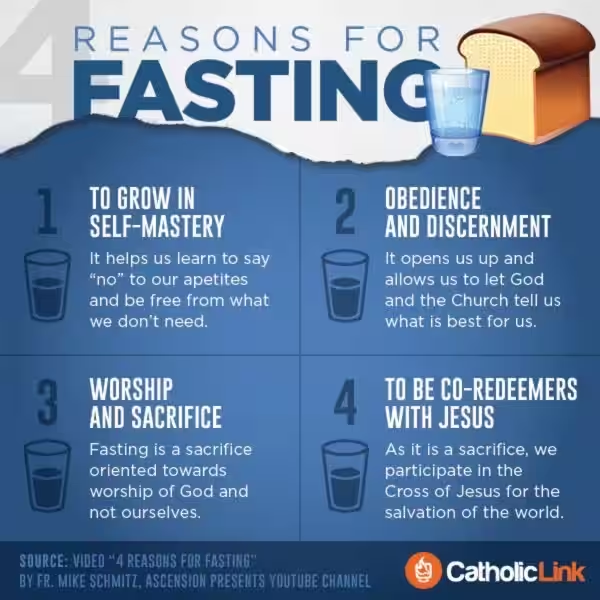
Fasting and abstinence are seen as ways to discipline the body and spirit, to grow in self-control, to unite oneself with the sufferings of Christ, and to focus more intently on spiritual matters rather than worldly pleasures. They are also acts of solidarity with the poor and needy.