The practice of fasting is woven deeply into the fabric of Catholicism, offering believers a profound path to spiritual renewal and a closer relationship with God. Far from being a mere dietary restriction, fasting in Catholicism is a deliberate act of self-denial, a spiritual discipline designed to purify the soul, foster humility, and cultivate a deeper reliance on divine grace. It’s a time-honored tradition that has resonated with saints and sinners alike throughout centuries of Christian history, providing a tangible way to engage with faith on a physical and spiritual level.
For many Catholics, the concept of fasting Catholicism might evoke images of Lenten sacrifices or solemn Fridays. However, its significance extends beyond these prescribed periods, touching upon a fundamental aspect of Christian discipleship: the willingness to embrace discomfort for the sake of spiritual gain. Understanding the ‘why’ behind Catholic fasting is crucial to unlocking its transformative potential, allowing it to become more than just an obligation, but a cherished opportunity for growth.
The theological underpinnings of fasting in Catholicism are rich and multifaceted, drawing inspiration from both the Old and New Testaments. Jesus himself observed rigorous fasts, notably the forty days in the desert before his public ministry, setting a powerful precedent for his followers. His words, “But the days will come, when the bridegroom is taken away from them, and then they will fast” (Matthew 9:15), clearly indicate that fasting is an integral part of the Christian life, especially during times of spiritual struggle or reflection. This biblical foundation underscores that fasting isn’t a human invention, but a divine invitation to a deeper spiritual communion.
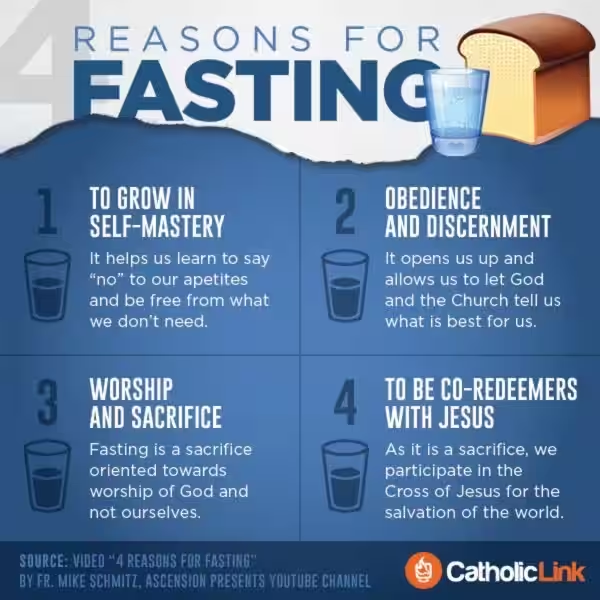
Furthermore, fasting aligns with the Catholic understanding of the body and soul as intimately connected. By voluntarily abstaining from earthly comforts, particularly food, believers aim to gain mastery over their passions and appetites, redirecting their focus from the temporal to the eternal. This isn’t about self-punishment, but rather about disciplining the body to free the spirit. It’s a recognition that our physical desires can sometimes distract us from our spiritual life, and that by temporarily setting them aside, we can create space for God to speak more clearly to our hearts. This principle of asceticism, the practice of rigorous self-discipline, is central to the Catholic approach to spiritual formation.
Fasting as a Means of Penance and Reconciliation
One of the primary purposes of fasting in Catholicism is its role in penance and reconciliation. During Lent, the liturgical season of preparation for Easter, fasting is a central observance. It serves as a tangible act of repentance for sins, a way to express sorrow and a desire to turn back to God. By voluntarily experiencing a degree of hardship, Catholics can better empathize with the suffering of Christ and the poor, fostering a spirit of humility and solidarity.
Think of it like this: if you’ve accidentally broken a treasured item belonging to a friend, you might offer to help fix it or do something special to show you’re sorry. In a similar vein, fasting is a way for Catholics to offer a spiritual “repair” for their sins and to demonstrate their sincere desire for forgiveness and reconciliation with God. This act of sacrificial love isn’t about earning God’s favor, but about aligning oneself with God’s will and preparing the heart to receive His boundless mercy. The Church provides specific guidelines for fasting and abstinence, guiding believers in this important practice.
Beyond penance, fasting in Catholicism is also a powerful tool for increasing spiritual sensitivity. When we abstain from food, we are naturally drawn to reflect more deeply on our reliance on God. The pangs of hunger can become reminders of our spiritual hunger for righteousness and divine connection. This deliberate act of deprivation can sharpen our spiritual senses, making us more attuned to the subtle promptings of the Holy Spirit and the voice of God.
Imagine trying to listen to a faint whisper in a noisy room. It’s difficult, right? Fasting can help quiet the “noise” of our worldly desires and distractions, allowing the “whispers” of God’s guidance to be heard more clearly. This heightened awareness can lead to profound moments of prayer, deeper understanding of Scripture, and a more intimate relationship with the Trinity. It’s about creating a sacred silence within ourselves where God can truly be heard and experienced.
Understanding the Rules and Observances of Catholic Fasting
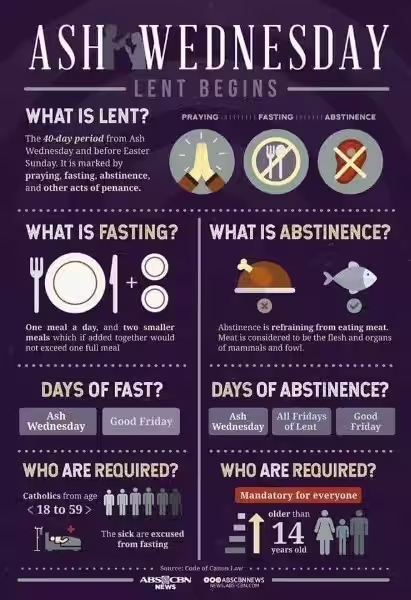
The Catholic Church, in its wisdom, has established specific guidelines for fasting and abstinence, ensuring that these practices are both accessible and meaningful. The most commonly observed periods are Ash Wednesday, Good Friday, and all Fridays of Lent. Understanding these specific observances is key to participating fully in the spirit of Catholic fasting.
Generally, in the Latin Rite of the Catholic Church, fasting (meaning eating only one full meal and two smaller meals that together do not equal a full meal) is required for those between the ages of 18 and 59. Abstinence (refraining from eating meat) is required for those aged 14 and older. These are not arbitrary rules, but rather practical frameworks designed to help individuals engage in the spiritual discipline of fasting. For example, the abstinence from meat on Fridays is a reminder of Christ’s sacrifice on the cross, a tradition that predates the more structured Lenten fasting periods.
The Significance of Meatless Fridays
Refraining from eating meat on Fridays, particularly during Lent, carries a rich symbolic weight in Catholicism. It is a weekly memorial of the Passion of Christ, a day to remember the sacrifice He made for humanity. For centuries, this practice has been a cornerstone of Catholic devotional life, a tangible way for believers to unite themselves with Christ’s suffering and redemptive love.
While the obligatory nature of meatless Fridays outside of Lent has been relaxed in some regions, the spiritual value remains. Many Catholics choose to continue this tradition, finding it a powerful and simple way to honor Christ’s sacrifice throughout the year. It’s an opportunity to pause, reflect, and foster a deeper connection to the core event of Christian faith – the crucifixion and resurrection of Jesus. This practice encourages a mindful approach to our meals, turning a simple meal into an act of devotion.
Lenten Fasting: A Time for Profound Transformation
Lent, a forty-day period of intense spiritual preparation leading up to Easter, is the most significant season for fasting in Catholicism. It is a time of penitential reflection, prayer, and almsgiving, with fasting playing a crucial role. The prescribed days of fasting and abstinence during Lent are designed to help believers strip away excessive attachments, discipline their desires, and open their hearts more fully to God’s grace.
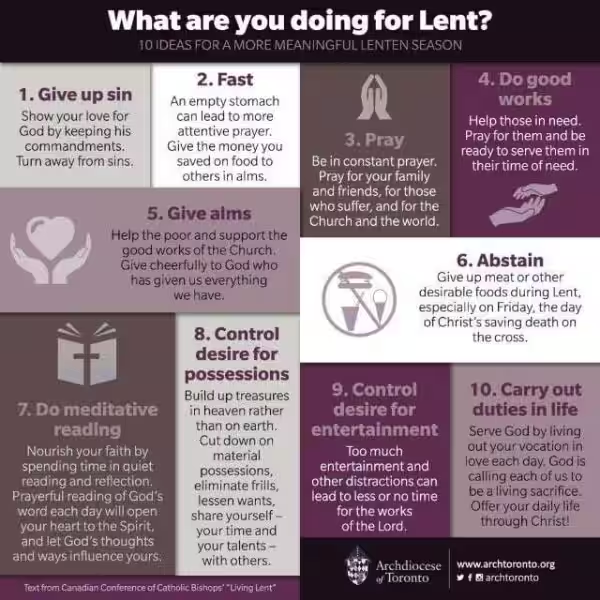
During Lent, the Church calls us to a deeper commitment to spiritual disciplines. This might involve not only limiting food intake on fasting days but also giving up certain habits or luxuries that distract from our spiritual life. The sacrifices made during Lent are intended to cultivate a spirit of detachment from worldly pleasures and a greater dependence on God’s providence. This is a time for intense spiritual exercise, much like an athlete trains rigorously for a competition, preparing the soul for the joyous celebration of Easter.
Beyond the Rules: The Personal Dimension of Catholic Fasting
While the Church provides essential guidelines, the true power of fasting in Catholicism lies in its personal and intentional application. It’s not merely about adhering to a set of rules, but about cultivating a sincere desire to draw closer to God through this spiritual discipline. Each individual’s journey with fasting can be unique, shaped by prayer, discernment, and a personal response to God’s call.
A dedicated Catholic might choose to fast from social media for a month, give up a favorite dessert, or reduce their screen time to dedicate more hours to prayer and contemplation. These acts, while not always dictated by strict Church law, are born from a spirit of voluntary self-denial for spiritual growth. The key is intentionality: approaching fasting not as a burden, but as a sacred opportunity to align oneself more perfectly with the will of God and to experience His transformative love more profoundly.
Fasting as a Spiritual Discipline for Everyday Life
The principles of fasting can extend far beyond the prescribed days of Lent. Embracing fasting as a spiritual discipline for everyday life can foster a consistent state of spiritual alertness and reliance on God. This doesn’t necessarily mean daily full fasts, but can involve smaller, consistent acts of self-denial that keep the spiritual muscles toned.
Consider the practice of voluntary fasting from certain conveniences. This could be choosing to walk instead of drive for short errands, limiting screen time before bed, or opting for simpler meals on non-fasting days. These small acts of self-discipline, when approached with a prayerful heart, can cultivate a greater sense of gratitude, humility, and a constant awareness of God’s presence in our lives. They are a way of continually saying “yes” to God and “no” to distractions that pull us away from Him.
The Role of Prayer and Almsgiving Alongside Fasting
Fasting in Catholicism is never meant to be practiced in isolation. It is most potent when integrated with prayer and almsgiving, forming a powerful triad of spiritual practices. These three pillars work in synergy to purify the soul, deepen our relationship with God, and extend His love to those in need.
When we fast, we create physical and spiritual space. This space is best filled with earnest prayer, allowing us to converse with God and listen to His voice. Similarly, the resources and time saved through fasting can be directed towards acts of charity and almsgiving, demonstrating our love for our neighbor and fulfilling Christ’s commandment to care for the less fortunate. This integrated approach ensures that our spiritual journey is not inward-looking but outward-reaching, reflecting the very nature of God’s love.
Experiencing the Fruits of Catholic Fasting
The commitment to fasting within Catholicism is not without its rewards. The fruits of this practice, when undertaken with a sincere heart, can lead to profound personal and spiritual transformation. Believers often report experiencing increased clarity in prayer, a deeper sense of peace, and a stronger will to resist temptation.
The discipline of self-denial, while challenging, ultimately builds inner strength and resilience. It teaches us to rely less on our own strength and more on the grace of God. This can lead to a greater spiritual fortitude in facing life’s difficulties, knowing that we are not alone and that God sustains us. The journey of fasting is a testament to the enduring power of ancient spiritual practices in fostering a vibrant and meaningful faith.
Fasting in Catholicism is a voluntary abstinence from food for a specified period, often as a form of penance, prayer, and spiritual discipline. It is a practice rooted in the teachings of Jesus and the tradition of the Church.
What are the main days of fasting and abstinence in the Catholic Church?
The primary days of fasting and abstinence are Ash Wednesday and Good Friday. Abstinence from meat is also required on all Fridays of Lent.
What are the rules for fasting?
On days of fasting, Catholics between the ages of 18 and 59 are allowed one full meal. Two smaller meals are permitted in addition to these, but together they should not equal the size of the full meal. Eating between meals is not permitted.
What are the rules for abstinence?
Abstinence from meat is required on Ash Wednesday, Good Friday, and all Fridays of Lent for Catholics from the age of 14 onwards. While not strictly required by canon law outside of these specific days, many Catholics choose to continue abstaining from meat on Fridays throughout the year as a form of penance.
What is the difference between fasting and abstinence?
Fasting refers to the quantity of food eaten, limiting oneself to one full meal and two smaller meals that do not equal the size of the full meal. Abstinence refers to the type of food abstained from, typically meat.
Are there any exceptions to the fasting and abstinence rules?
Yes, those who are ill, frail, pregnant, nursing, or whose work is strenuous may be excused from the obligation of fasting and abstinence. Those whose mental or physical condition would be harmed by fasting are also exempt. In cases of doubt, it is best to consult with a priest or spiritual director.
Why do Catholics fast?
Catholics fast for several reasons:
To imitate Jesus, who fasted for forty days in the desert.
As a form of penance and reparation for sins.
To grow in self-discipline and detach from worldly desires.
To unite their suffering with Christ’s sacrifice.
To pray more intensely and open themselves to God’s will.
Is fasting mandatory for all Catholics?
The obligation to fast and abstain applies to Catholics between the ages of 18 and 59 for fasting, and from age 14 onwards for abstinence, unless they fall under an exemption.
Can you eat fish on days of abstinence?
Yes, fish is permitted on days of abstinence from meat.
What constitutes “meat” for the purpose of abstinence?
“Meat” generally refers to the flesh of mammals and birds. Fish and other cold-blooded aquatic animals are typically permitted.
Is fasting and abstinence the same as dieting?
No. While both involve restricting food intake, the purpose and spiritual intention are different. Fasting and abstinence in Catholicism are spiritual disciplines intended to draw one closer to God, whereas dieting is typically for health or weight management.
Can you fast from other things besides food?
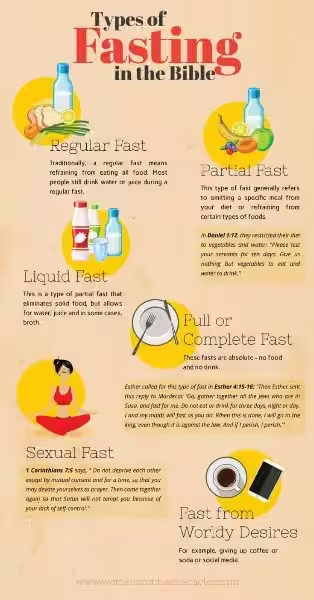
Yes. While traditional fasting and abstinence focus on food, many Catholics also choose to fast from other things, such as social media, television, or other distractions, to dedicate more time to prayer and spiritual reflection. This is often referred to as “spiritual fasting” or a “media fast.”