The rhythm of the liturgical year for Catholics is punctuated by seasons of prayer, penance, and celebration. Central to these periods, particularly during Lent and on certain Fridays throughout the year, are the practices of Catholic fast and abstinence. While often viewed as simple acts of self-denial, these traditions are deeply rooted in the faith, offering a profound pathway to spiritual growth, solidarity, and a deeper connection with God. This article delves into the multifaceted nature of Catholic fast, exploring its meaning, purpose, and practical application in the modern world.
The Spiritual Core of Catholic Fast
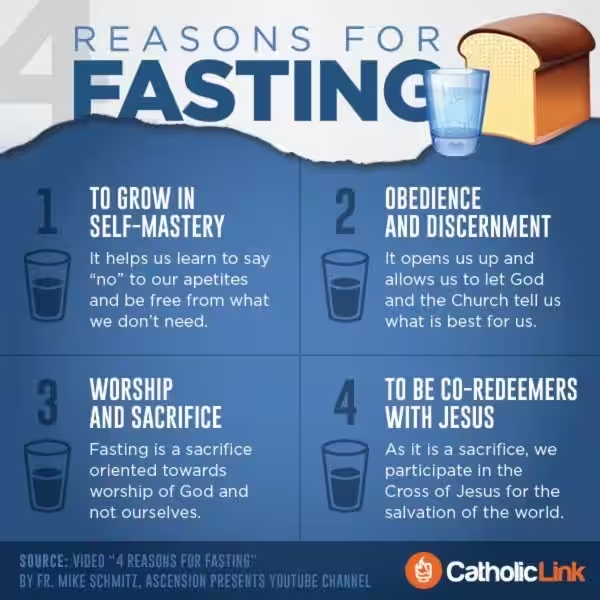
At its heart, Catholic fast is an act of spiritual discipline. It’s not merely about going without food; it’s about consciously choosing to limit physical comforts to elevate the spirit. This intentional deprivation cultivates a heightened awareness of our reliance on God and fosters a greater appreciation for the blessings we often take for granted. Think of it like a gardener carefully pruning a plant; the temporary sacrifice of some branches allows for stronger, more vibrant growth. Similarly, by temporarily abstaining from certain foods or meals, Catholics aim to cultivate a stronger spiritual life.
The practice of Catholic fast also serves as a tangible expression of penance and repentance. During Lent, the season leading up to Easter, fasting becomes a collective act of mourning for sins and a period of intense preparation for the resurrection of Christ. It’s a time to confront our imperfections and seek reconciliation with God and one another. This self-denial can also be a way to empathize with the suffering of others, particularly those who experience hunger and poverty regularly. By personally enduring a degree of discomfort, believers can develop a more profound sense of compassion and a renewed commitment to social justice.
What Constitutes Catholic Fast?
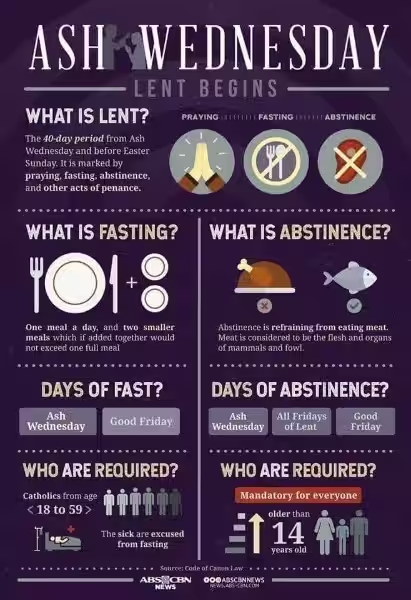
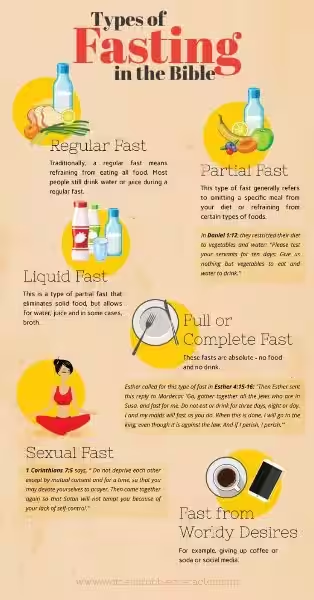
The specific guidelines for Catholic fast have evolved over time and can vary depending on the occasion and the local Church’s interpretation. However, the core principles remain consistent. Fasting, in its strictest sense, typically involves consuming only one full meal a day, with the allowance of two smaller meals that do not together equal the size of the full meal. This is most commonly observed on Ash Wednesday and Good Friday. The intention is to reduce the quantity of food significantly, thereby creating a physical reminder of spiritual hunger.
Abstinence, on the other hand, refers to refraining from eating meat. This practice is observed on all Fridays during Lent, and in many places, it’s encouraged as a voluntary act of penance on other Fridays throughout the year. The reason for abstaining from meat has historical and symbolic roots. Historically, meat was often seen as a more luxurious food, and abstaining from it was a way to practice austerity. Symbolically, it’s a reminder of Christ’s sacrifice on the cross, which occurred on a Friday. For many, this practice is a consistent way to observe Catholic fast throughout the year, even outside of Lent.
Incorporating Catholic fast into a busy modern life requires thoughtful planning and a genuine desire to embrace its spiritual benefits. For families, it can be an opportunity to teach children about faith and sacrifice. Instead of a large family meal, perhaps a simpler meal shared together becomes a time for discussion about the meaning of fasting and prayer. This can involve meal planning that prioritizes whole grains, vegetables, and legumes, rather than focusing solely on what is being excluded. The focus should always be on the spiritual dimension, not just the dietary restrictions.
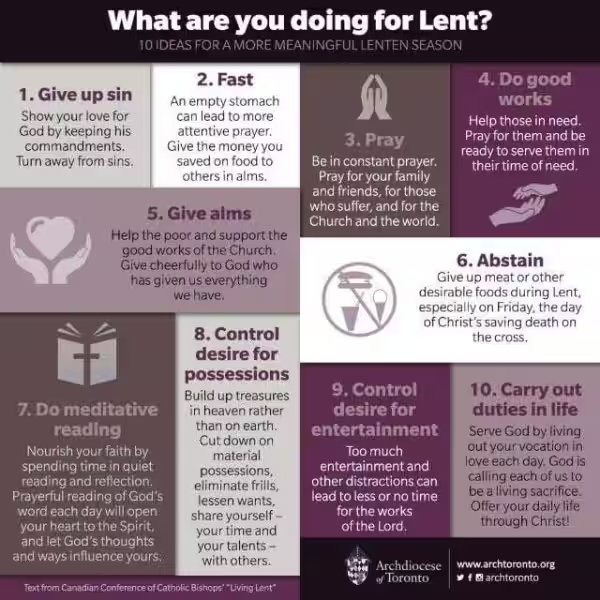
For individuals, Catholic fast can be adapted to personal circumstances. If strict fasting is not possible due to health reasons, substitutions can be made. This might involve fasting from other things, such as social media, excessive television, or other forms of entertainment that distract from spiritual reflection. The key is intentional self-denial that frees up time and energy for prayer, scripture reading, acts of charity, and deeper communion with God. It’s about making a conscious choice to prioritize spiritual nourishment over temporal pleasures, aligning with the spirit of Catholic fast.
The Purpose Beyond Deprivation
The ultimate goal of Catholic fast is not to achieve a state of extreme hunger or discomfort for its own sake. Instead, it’s a means to an end, a tool to facilitate a transformation of the heart. By stilling the demands of the body, individuals can create space for the voice of God to be heard more clearly. This quietude allows for introspection, a deeper examination of conscience, and a more profound understanding of God’s love and mercy. The discomfort experienced during fasting can also become a prayer in itself, a silent plea for grace and a surrender to God’s will.
Furthermore, Catholic fast is intrinsically linked to the sacramental life of the Church. It prepares believers to more fully participate in the Eucharist and other sacraments. By purifying the body and mind, individuals are better disposed to receive the graces offered through these sacred encounters. It’s a practice that fosters humility and dependence on God’s grace, reminding us that our spiritual strength does not come from our own efforts but from the divine power that sustains us. This understanding is crucial for anyone seeking to truly engage with the meaning of Catholic fast.
The season of Lent offers a concentrated period to embrace the practices of Catholic fast. It’s a time for renewed commitment to prayer, almsgiving, and fasting. The ashes on our foreheads on Ash Wednesday serve as a stark reminder of our mortality and our need for God’s mercy, a fitting beginning to a period of spiritual discipline. Beyond Lent, the Church encourages the spirit of penance and self-denial throughout the year, particularly through Friday abstinence. This consistent practice reinforces the lessons learned during Lent and helps to maintain a spiritual focus.
Ultimately, understanding Catholic fast involves moving beyond a superficial adherence to rules and embracing the transformative power of these ancient traditions. It’s about consciously choosing to sacrifice for spiritual gain, to empathize with those who suffer, and to deepen our relationship with God. Whether through abstaining from meat, limiting meals, or fasting from distractions, the faithful are invited to embark on a journey of spiritual renewal that nourishes the soul and brings them closer to the heart of Christ.
Frequently Asked Questions about Catholic Fasting
What is Catholic fasting?
Catholic fasting is a spiritual discipline where Catholics voluntarily abstain from certain foods or meals for a specific period. It’s a practice rooted in tradition and scripture, often undertaken during seasons like Lent.
What is the purpose of Catholic fasting?
The primary purposes of Catholic fasting include:
* Penance and Sacrifice: To offer a small sacrifice to God as a sign of repentance and solidarity with the suffering of Christ.
* Spiritual Discipline: To strengthen self-control, detach from worldly comforts, and focus more intently on prayer and spiritual matters.
* Solidarity with the Poor: To gain a deeper understanding and empathy for those who experience hunger and deprivation.
* Preparation for Feasts: To prepare oneself spiritually for important liturgical celebrations.
In the Catholic Church, fasting is generally required on Ash Wednesday and Good Friday. Abstinence from meat is required on Ash Wednesday, Good Friday, and all Fridays during Lent.
What are the rules for fasting?
The current rules for fasting in the Latin Rite of the Catholic Church typically involve eating only one full meal a day. Two smaller meals are permitted, but they should not together equal the size of the main meal. Snacking between meals is not allowed.
Who is required to fast?
Catholics who are between the ages of 18 and 59 are generally required to observe the fast.
What is abstinence?
Abstinence, in the context of Catholic practice, refers to refraining from eating meat.
Who is required to practice abstinence?
Catholics aged 14 and older are generally required to practice abstinence.
Are there exceptions to the fasting and abstinence rules?
Yes, exceptions are made for those who are ill, pregnant, nursing, or engaged in strenuous labor. The Church also encourages prayerful discernment for those who find adherence to the rules particularly burdensome for other reasons.
Can I eat fish on fasting days?
Abstinence from meat applies to warm-blooded animals (like beef, pork, chicken) and sometimes fowl. Fish and other seafood are generally permitted on abstinence days.
What if I accidentally break my fast or abstinence?
Minor infractions are a matter between you and God through prayer. The Sacrament of Reconciliation (Confession) can help address more serious or habitual lapses.
Can I choose to fast or abstain on other days?
Yes, many Catholics choose to practice fasting or abstinence on other days outside of the prescribed days as a personal devotion or for specific prayer intentions.
What is the difference between fasting and abstinence?
Fasting pertains to the quantity of food eaten (one full meal and two smaller ones), while abstinence pertains to the type of food eaten (abstaining from meat). Both are often observed on the same days.