Few beverages have been as interwoven with human history, culture, and spirituality as wine. Its presence in religious texts, particularly the Bible, is profound and multifaceted. Far from being a simple indulgence, wine in the Bible often carries significant symbolic weight, representing joy, celebration, mourning, and even the very essence of divine covenant. For many, exploring these biblical references can offer a fresh perspective on the role of wine in spiritual life, moving beyond simplistic interpretations to a deeper understanding of its religious significance.
This article delves into the rich tapestry of bible verses wine, exploring how this ancient drink has been a constant thread in the narrative of faith and religion. We’ll navigate through various passages, uncover the symbolic meanings, and consider how these ancient texts can resonate with us today, offering insights into moderation, gratitude, and the blessings of life. Whether you’re a seasoned theologian or simply curious about the intersection of spirituality and libations, prepare to discover the divine pour.
From Ancient Harvests to Sacred Rituals: Wine’s Biblical Footprint
The very beginnings of winemaking are hinted at early in biblical accounts, suggesting its long-standing importance in the agricultural and social fabric of ancient societies. Noah, after the great flood, is described as planting a vineyard and drinking wine (Genesis 9:20-21), a scene that marks both a return to normalcy and the re-establishment of human endeavors. This foundational story immediately links wine with the sustenance and fruits of the earth, a gift from God that sustained life and offered comfort.
Throughout the Old Testament, wine appears in a myriad of contexts, from everyday sustenance to elaborate celebrations. The abundance of wine was often seen as a sign of God’s blessing and prosperity. For instance, the prophet Hosea speaks of a future restoration where the land will yield abundant produce: “The threshing floor will be filled with grain and the vats will overflow with new wine and oil” (Hosea 2:22). This imagery of overflowing vats is a powerful metaphor for God’s lavish generosity, a tangible representation of His favor upon His people. It’s a picture of a land so blessed that its bounty spills over, a concept that resonates with our modern appreciation for plentiful harvests.
The Symbolism of Wine in Worship and Covenant
Wine’s role extends far beyond agricultural blessings; it is deeply embedded in the rituals and covenants of the Old Testament. The sacrificial system often included drink offerings, where wine was poured out as a sacred offering to God. Leviticus 23:13, for example, describes the offering for the grain offering: “along with it you shall offer a grain offering of one-tenth of an ephah of fine flour mixed with oil. It is a food offering, a pleasing aroma to the Lord.” While this verse specifically mentions oil, the practice of accompanying offerings with wine was common, signifying a complete and joyful offering from the fruits of the land.
Perhaps the most profound symbolic use of wine in the Old Testament is its association with the covenant. The covenant between God and His people was often sealed with shared meals and libations. While not explicitly detailing wine in every instance, the communal sharing of food and drink in covenant ceremonies underscored the deep bond and commitment involved. This foreshadows the New Testament’s ultimate depiction of wine’s sacredness, transforming its symbolic meaning into something even more profound for believers.
Jesus and the Transformation of Wine’s Spiritual Meaning
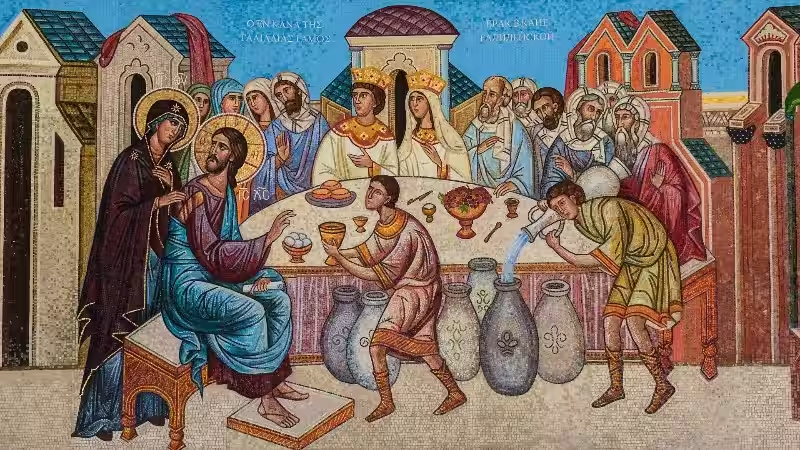
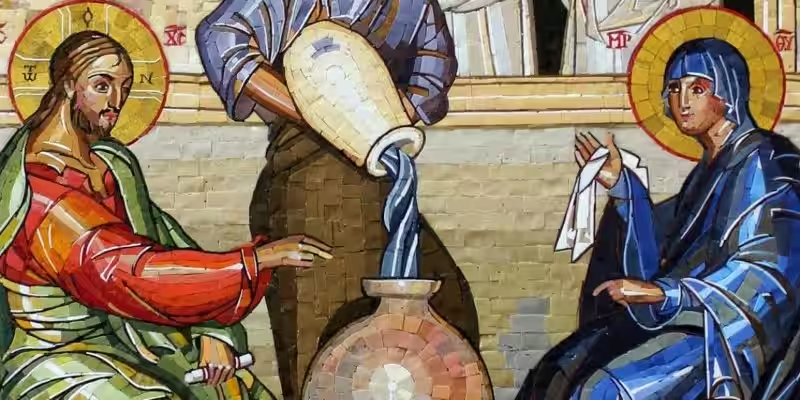
The New Testament witnesses a dramatic elevation of wine’s spiritual significance, particularly through the actions and teachings of Jesus Christ. His very first recorded miracle, transforming water into wine at the wedding in Cana of Galilee (John 2:1-11), is a testament to His power and His desire to bring joy and abundance to human celebrations. This act, by providing superior quality wine, highlights Jesus as a bringer of blessing and a participant in human joy, not aloof from it.
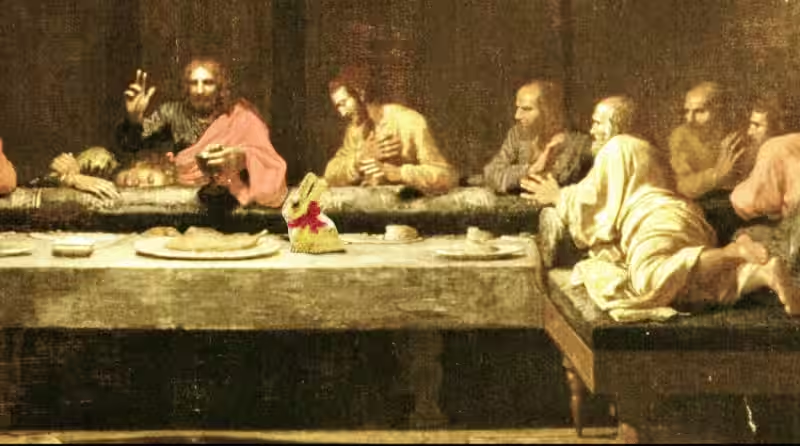
However, Jesus’ most enduring connection with wine is through the institution of the Lord’s Supper, also known as Communion or the Eucharist. During His last meal with His disciples, Jesus took a cup of wine and said, “This is my blood of the new covenant, which is poured out for many for the forgiveness of sins” (Matthew 26:28). This declaration is pivotal. Wine, once a symbol of the Old Covenant, is now redefined as the very representation of the New Covenant, sealed by His sacrifice and offering redemption. For Christians, this act transforms wine into a sacred symbol of their faith, a tangible link to Christ’s atoning work.
The Lord’s Supper: A Central Act of Christian Faith
The Last Supper is not merely a historical event but a continuing practice within Christianity. The Apostle Paul, in his letter to the Corinthians, reiterates the significance of this ritual: “For whenever you eat this bread and drink this cup, you proclaim the Lord’s death until he comes” (1 Corinthians 11:26). This means that every time believers partake in Communion, they are actively remembering and proclaiming their belief in Christ’s sacrifice and anticipating His return. The wine, in this context, becomes a powerful reminder of religion’s core message of salvation and hope.
The communal aspect of the Lord’s Supper is also vital. Sharing the bread and wine together fosters a sense of unity and fellowship among believers, reinforcing the idea that they are all part of the same spiritual body. This shared experience, rooted in the symbolism of Christ’s blood, strengthens their collective faith and their connection to God. It’s a moment of profound spiritual intimacy, where the mundane act of sharing a drink becomes an encounter with the divine.
Wisdom and Moderation: Navigating Wine in Daily Life
Beyond its sacramental significance, the Bible also offers practical wisdom regarding the consumption of wine in everyday life. While celebrating God’s blessings, it also cautions against excess. The book of Proverbs is replete with admonishments about the dangers of drunkenness. For example, Proverbs 20:1 states, “Wine is a mocker and beer a brawler; whoever is led astray by them is not wise.” This verse succinctly captures the negative consequences of overindulgence, highlighting how it can lead to poor judgment and destructive behavior.
The Bible consistently advocates for self-control and wisdom in all aspects of life, and this includes the consumption of alcohol. The apostle Paul, in his letter to the Ephesians, advises, “Do not get drunk on wine, which leads to debauchery. Instead, be filled with the Spirit” (Ephesians 5:18). This passage contrasts the fleeting and detrimental effects of intoxication with the enduring and uplifting presence of the Holy Spirit, guiding believers towards a life of spiritual fulfillment rather than temporary, harmful pleasure.
Practical Applications for Modern Believers
For contemporary believers, understanding these bible verses wine offers a framework for responsible engagement with alcohol. It’s not about prohibition but about discernment and moderation. The emphasis on being “filled with the Spirit” suggests prioritizing spiritual connection and well-being over anything that might hinder it. This includes being mindful of how much is consumed, the context of consumption, and the potential impact on oneself and others.
This biblical perspective encourages a balanced approach: enjoying the blessings of life, like a good glass of wine, with gratitude, while always maintaining a commitment to wisdom, self-control, and spiritual growth. It’s about recognizing wine as a gift that can be enjoyed responsibly, rather than a master that can lead to ruin. Ultimately, the biblical narrative on wine is one of nuance, inviting us to savor its presence in life and worship with a spirit of thanksgiving and careful consideration.
Frequently Asked Questions: Bible Verses, Wine, and Religion
Does the Bible mention wine?
Yes, the Bible mentions wine extensively. It appears in both the Old and New Testaments, often associated with celebrations, fellowship, and even as a symbol. For example, Psalm 104:15 speaks of wine gladdening the heart.
Are there specific Bible verses about wine consumption?
There are various verses that address wine. Some passages encourage moderation and warn against drunkenness, such as Proverbs 20:1, which states, “Wine is a mocker, strong drink a brawler, and whoever is led astray by it is not wise.” Other verses, like Ephesians 5:18, advise against being drunk with wine but to be filled with the Spirit.
Is wine consumption considered sinful in all religions?
Different religions have varying views on alcohol consumption. While some, like Islam, strongly prohibit it, Christianity has a more diverse perspective. Many Christian denominations do not forbid the moderate consumption of wine, often referencing its presence in biblical events like the Last Supper.
What is the significance of wine in Christian communion?
Wine holds significant symbolic meaning in Christian communion (also known as the Eucharist or Lord’s Supper). Jesus instituted this practice, using wine to represent his blood shed for humanity, as described in the Gospels (e.g., Matthew 26:27-28).
Are there different interpretations of biblical passages about wine within Christianity?
Yes, there are diverse interpretations. Some Christians adhere to a strict abstinence from alcohol due to concerns about its potential for abuse and the emphasis on temperance in scripture. Others interpret the biblical references to wine as referring to a moderate and responsible consumption, particularly in the context of religious rituals or social gatherings.
Does the Bible condone drunkenness?
No, the Bible consistently condemns drunkenness. Passages like Proverbs 23:20-21 warn against associating with drunkards, and Galatians 5:21 lists drunkenness as a sin that will prevent one from inheriting the kingdom of God.