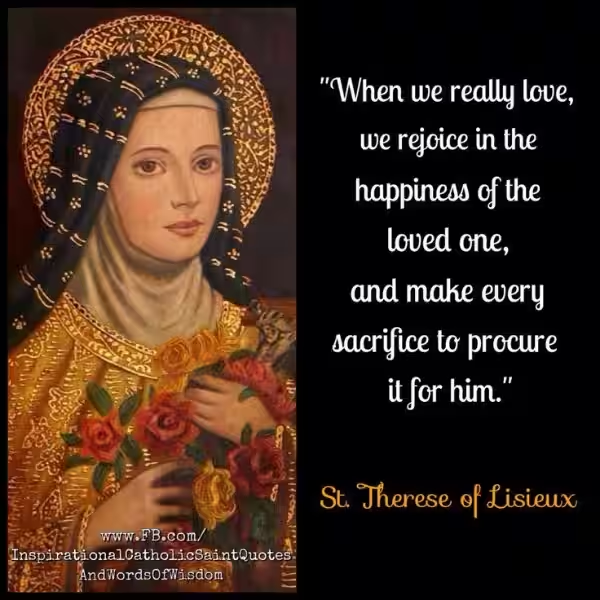
In the tapestry of faith, the lives of Catholic saints shine as brilliant threads of devotion, courage, and unwavering love. These men and women, recognized by the Church for their exceptional holiness, offer us not just inspiring stories but also a rich legacy of wisdom – a treasury of Catholic saints quotes that continue to resonate through centuries. They walked among us, faced trials, and ultimately found profound peace and communion with God, leaving behind words that can guide our own spiritual journeys. Their experiences, though often extraordinary, are deeply relatable, offering practical advice and profound insights into living a life of purpose and virtue. For anyone seeking to deepen their understanding of the Catholic faith or simply to find solace and inspiration in challenging times, exploring the words of these holy individuals is an invaluable pursuit.
Beyond mere historical figures, saints are our intercessors and examples, living embodiments of Christ’s teachings. Their journey from earthly struggles to heavenly glory is a testament to God’s grace and the transformative power of faith. Their pronouncements, often distilled from years of prayer and contemplation, serve as spiritual signposts, pointing us towards the divine. Whether you are a lifelong Catholic or someone curious about the faith, these quotes offer a direct connection to the heart of Christian spirituality, providing encouragement, challenging our perspectives, and illuminating the path to holiness. Think of them as timeless wisdom capsules, packed with spiritual nourishment designed to sustain and uplift us.
The Power of Prayer: Direct Communication with the Divine
At the core of the saintly life lies a deep and abiding relationship with God, fostered through consistent and fervent prayer. For many saints, prayer was not an obligation but a lifeline, a source of strength, and a profound joy. They understood that through prayer, we can communicate our deepest desires, confess our weaknesses, and offer our gratitude directly to the Almighty. This conversational approach to prayer is a cornerstone of Catholic spirituality, and the saints’ words beautifully illustrate its transformative potential. Their lives demonstrate that even amidst the busiest schedules and greatest adversities, making time for prayer is paramount.
Consider the profound simplicity and directness of Saint Teresa of Avila’s insights. She famously stated, “Prayer is not asking. It is putting oneself in God’s hands and accepting whatever He wills.” This quote doesn’t diminish the importance of petition, but rather elevates prayer to a posture of complete surrender and trust. It’s about aligning our will with God’s divine plan, recognizing that His wisdom far surpasses our own understanding. Similarly, Saint John Vianney, the Cure of Ars, a humble parish priest who became a beacon of spiritual counsel, emphasized the power of simple, heartfelt prayer. He said, “I will tell you the secret: just to love Him.” This highlights that authenticity and love are the most potent ingredients in our prayer life, more so than eloquent pronouncements or complex theological formulations. These saints remind us that prayer is a personal dialogue, a loving conversation with our Creator.
The beauty of Catholic saints quotes lies not only in their spiritual depth but also in their practical applicability to our everyday lives. These individuals didn’t live in a vacuum; they navigated the same human experiences of joy, sorrow, temptation, and doubt that we do. Their wisdom, therefore, offers concrete guidance and encouragement for facing our own daily challenges. They understood that holiness is not achieved in grand gestures alone, but in the small, consistent acts of love and virtue performed throughout our days. Their pronouncements often serve as gentle reminders of what truly matters, helping us to prioritize our spiritual well-being amidst the clamor of the world.
For instance, Saint Francis of Assisi, known for his radical embrace of poverty and love for creation, offered this profound advice: “Preach the Gospel at all times, and when necessary, use words.” This simple yet revolutionary statement underscores the primacy of action and witness in living out our faith. Our lives, lived with integrity and compassion, speak volumes about our beliefs. It’s a call to embody the Gospel message, allowing our actions to be the most powerful sermon. Furthermore, Saint Thomas More, a man of immense intellect and unwavering conviction, famously declared, “The world can do me no harm.” While seemingly bold, this quote speaks to the inner fortitude and spiritual security that comes from placing our ultimate trust in God. When our ultimate allegiance is to the divine, the fleeting challenges and opinions of the world lose their power to harm us. These examples show that the saints’ wisdom is not abstract theology, but actionable principles for a fulfilling and virtuous life.
Embracing Suffering and Finding Joy in Adversity
Life, as we all know, is not always smooth sailing. We encounter setbacks, losses, and periods of profound suffering. It is in these difficult moments that the words of the saints can offer immense comfort and a renewed perspective. They didn’t shy away from the reality of pain; rather, they found ways to integrate suffering into their spiritual journey, often discovering a deeper wellspring of joy and trust in God amidst their trials. Their experiences serve as powerful reminders that difficulties can be crucibles for spiritual growth.
Saint Paul, an apostle who endured immense persecution and hardship, wrote with profound insight about the redemptive nature of suffering. In his Letter to the Romans, he stated, “We rejoice in our sufferings, knowing that suffering produces endurance, and endurance produces character, and character produces hope.” This is not a call to seek out pain, but an invitation to reframe our understanding of it. When we unite our sufferings with Christ’s, they can become a source of spiritual merit and deepen our reliance on God. Similarly, Saint Catherine of Siena, a mystic and theologian who faced immense opposition, penned, “I am the instrument of God; whatever suffering I endure, He will use it for His glory.” This perspective shifts the focus from personal hardship to divine purpose, empowering us to see our struggles as opportunities for God to work through us. The saints teach us that true joy is not the absence of suffering, but the presence of God within it.
Humility and a spirit of selfless service are recurring themes in the lives and teachings of Catholic saints. They understood that true greatness in the eyes of God lies not in worldly power or recognition, but in a humble heart and a willingness to serve others. This counter-cultural message is as relevant today as it was centuries ago, reminding us to look beyond ourselves and extend compassion to those around us. The saints exemplified a deep awareness of their own limitations and a profound reliance on God’s grace, which fueled their desire to minister to the needs of others.
Jesus himself set the ultimate example of humility and service, and the saints eagerly followed in His footsteps. Saint Benedict, the father of Western monasticism, laid down principles for his monks that emphasized obedience, silence, and manual labor, all rooted in a humble spirit. His Rule of life is replete with directives that foster a sense of community and mutual support. Saint Teresa of Calcutta, a modern icon of compassion, embodied this principle through her lifelong dedication to serving the poorest of the poor. Her simple yet powerful declaration, “Not all of us can do great things. But we can do small things with great love,” encapsulates the essence of saintly service. It’s a reminder that every act of kindness, no matter how small, can be an act of profound love for God and neighbor. These saints teach us that humility is the fertile ground upon which true service flourishes.
Navigating the Spiritual Life: Guidance for the Journey
The path to holiness is rarely a straight line; it is a dynamic and often challenging journey filled with moments of clarity and periods of spiritual dryness. Throughout history, saints have offered invaluable guidance for navigating these complexities, providing insights into the nature of faith, doubt, and the ongoing pursuit of God. Their words serve as a compass and a map, helping us to stay on course even when the way forward seems unclear. They understood that the spiritual life is a process of continuous growth and transformation.
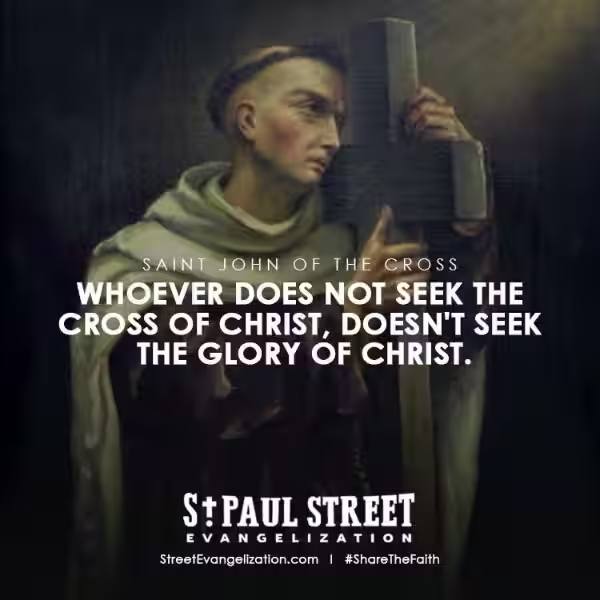
Saint Augustine, a towering figure in Christian theology, grappled extensively with the human condition and God’s grace. His famous quote, “Our hearts are restless until they rest in You,” perfectly captures the innate human longing for something more, a divine yearning that only God can satisfy. This sentiment resonates deeply with anyone who has ever felt an unexplained emptiness or a desire for deeper meaning. For those struggling with doubt or feeling distant from God, Saint John of the Cross, a mystic known for his poetry and writings on the “dark night of the soul,” offers solace. He wrote, “In the evening of our life, we shall be judged on our love.” This profound statement shifts our focus from striving for perfection to cultivating a loving relationship with God. It reassures us that God’s mercy is vast and that our efforts to love Him, even imperfectly, are what truly matter. These saints provide a framework for understanding the ebb and flow of our spiritual lives and offer encouragement to persevere.
Ultimately, the legacy of Catholic saints is one of enduring hope and practical wisdom. Their lives and their words offer us a rich tapestry of inspiration, woven with threads of faith, love, and resilience. By reflecting on their experiences and internalizing their teachings, we can find guidance for our own spiritual journeys, discover strength in adversity, and cultivate a deeper, more meaningful relationship with God. Their Catholic saints quotes are not just ancient pronouncements; they are living invitations to embrace a life of purpose, virtue, and eternal love. Let us draw inspiration from their luminous examples and allow their wisdom to illuminate our own paths.
Frequently Asked Questions About Catholic Saints and Religion
What are some common themes in Catholic saints’ quotes on religion?
Catholic saints’ quotes on religion often emphasize themes of faith, prayer, love of God and neighbor, humility, perseverance in trials, the pursuit of holiness, and the importance of sacraments. They frequently draw upon scripture and the teachings of the Church to illuminate the path to spiritual growth and eternal life.
Where can I find reliable sources for Catholic saints’ quotes?
Reliable sources for Catholic saints’ quotes include official Church documents, hagiographies written by reputable scholars, collections of saints’ writings (like letters and spiritual autobiographies), and established Catholic websites and publications. Be cautious of unverified quotes found on general social media or uncredited sources.
How do saints’ quotes on religion relate to contemporary Christian life?
The wisdom and experiences of saints offer timeless guidance for contemporary Christian life. Their quotes can inspire and encourage believers facing modern challenges, provide perspective on spiritual struggles, and remind us of the enduring truths of the Catholic faith. They serve as a testament to the power of God’s grace in ordinary lives.
Are there any commonly misinterpreted Catholic saints’ quotes?
Yes, some quotes may be taken out of their historical or theological context, leading to misinterpretation. It’s important to consider the saint’s life, their other writings, and the overall teachings of the Catholic Church when interpreting their words. For example, a quote about detachment might be misunderstood as advocating for apathy rather than rightly ordered love.
How can I use saints’ quotes to deepen my own faith?
You can use saints’ quotes by reflecting on them during prayer, using them as a basis for meditation, incorporating them into your journaling, or sharing them with others for encouragement. Consider choosing a “quote of the day” or a quote that resonates with a particular struggle or aspiration you have in your spiritual journey.