Embarking on a spiritual pilgrimage is a profound experience, and for many, the call to visit Medjugorje resonates deeply. This small Bosnian town has become a beacon of hope and a significant pilgrimage site for Catholics worldwide, drawing millions seeking solace, healing, and a deeper connection with their faith. Whether you are a devout follower or simply curious about its enduring appeal, understanding the essence of Medjugorje can illuminate the transformative power of this sacred destination.
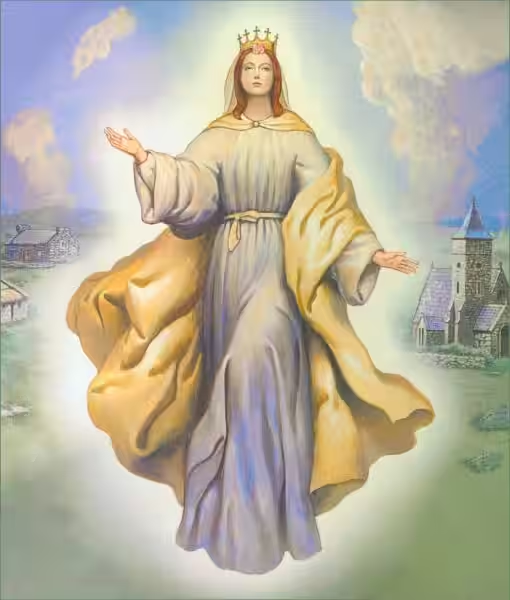
The genesis of Medjugorje’s renown can be traced back to 1981, when a group of local adolescents reported seeing apparitions of the Virgin Mary. These reported visions, which continue to this day for some, have ignited a fervent devotion and established Medjugorje as a place of extraordinary spiritual significance. The ongoing messages of peace, prayer, and conversion attributed to Our Lady of Medjugorje have touched countless lives, prompting many to visit Medjugorje in search of answers and spiritual renewal.
At its core, Medjugorje is a place where religion takes center stage, offering a profound devotional experience that transcends geographical boundaries. The town’s landscape is dotted with sacred sites, each holding a unique spiritual resonance. From the iconic Apparition Hill (Brdo Ukazanja) to the tranquil Cross Mountain (Križevac), these locations serve as focal points for prayer, reflection, and communal worship. The very air seems to hum with a palpable sense of the divine, encouraging visitors to immerse themselves in a spirit of prayer and contemplation.
The daily rhythm of Medjugorje is dictated by a deep commitment to religious practices. Mass is celebrated multiple times a day in various languages, and the Rosary is recited regularly, drawing pilgrims together in shared devotion. Evenings are often dedicated to Adoration of the Blessed Sacrament and community prayer meetings, fostering a sense of unity and shared faith. For those planning to visit Medjugorje, embracing this devotional rhythm is key to unlocking the full spiritual potential of the pilgrimage.
Key Sites for Spiritual Reflection
When you visit Medjugorje, certain locations stand out as essential stops on any spiritual journey. These are not just places; they are arenas for encountering God’s grace.
Apparition Hill (Brdo Ukazanja): This is where the initial apparitions were reportedly seen. The climb, though sometimes challenging, is undertaken by pilgrims with a spirit of penance and deep prayer. Along the path, there are stations depicting the mysteries of the Rosary, providing quiet spots for reflection. The summit offers a breathtaking view and a profound sense of peace.
Cross Mountain (Križevac): Erected in 1934, this mountain features a large concrete cross at its summit, a testament to the faith of the local community. The arduous climb is seen as an act of sacrifice and a path towards spiritual purification. Many pilgrims carry stones, symbolizing their burdens, to leave at the foot of the cross. The sheer dedication of those ascending, often in silence and deep prayer, is a powerful testament to their religion.
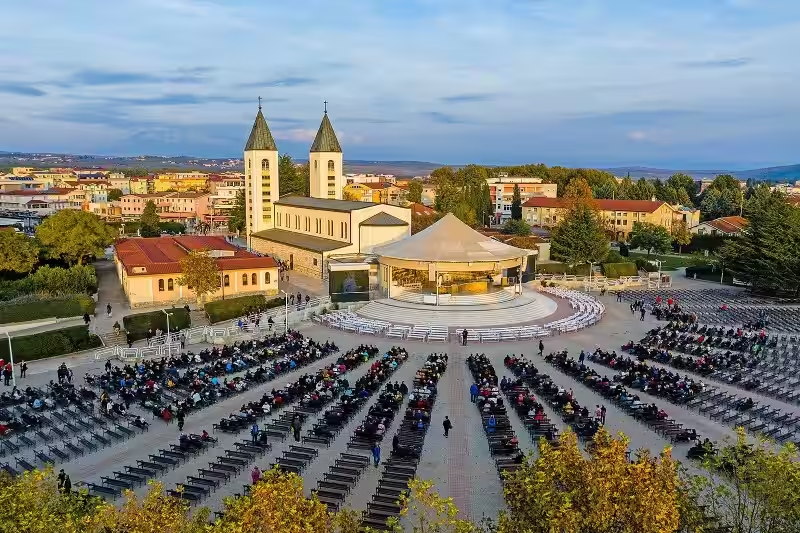
St. James Church: This is the central parish church and the heart of Medjugorje’s active religious life. Daily Masses, confessions, and prayer groups are held here, providing a constant stream of spiritual nourishment. The church grounds often buzz with pilgrims from all corners of the globe, united in their quest for spiritual connection.
The Power of Prayer and Conversion
The messages attributed to Our Lady of Medjugorje consistently emphasize the importance of prayer, penance, and conversion. These are not abstract concepts but practical calls to action that form the bedrock of the spiritual experience for those who visit Medjugorje. The emphasis is on a return to the fundamental practices of the Catholic faith, encouraging a more intimate relationship with God and a commitment to living a life of holiness.
Many visitors report experiencing profound personal conversions during their time in Medjugorje. This transformation often stems from an intensified prayer life, a renewed commitment to the sacraments, and a deeper understanding of God’s love and mercy. The atmosphere of intense prayer and the shared faith of fellow pilgrims can be incredibly uplifting, creating an environment conducive to profound inner change. For instance, someone struggling with a difficult habit might find the consistent encouragement to pray the Rosary and attend Mass a powerful catalyst for breaking free.
Embracing the Medjugorje Message
The recurring themes in the messages from Medjugorje are designed to guide pilgrims towards a more Christ-centered life. They are simple yet profound, offering a roadmap for spiritual growth.
Prayer: The call to pray the Rosary daily is a cornerstone. This meditative prayer helps focus the mind on the life of Christ and Mary, fostering a deeper spiritual connection. Imagine sitting in quiet contemplation, repeating the Hail Mary, and reflecting on each mystery – it’s a powerful way to connect with the divine.
Confession: Regular confession is encouraged as a means of spiritual cleansing and renewal. This sacrament allows individuals to unburden themselves of sin and receive God’s forgiveness, paving the way for a fresh start.
Mass: Attending Mass is paramount, as it is the central act of Catholic worship and a profound encounter with the Real Presence of Christ.
Fasting: The message also includes the practice of fasting, often on Wednesdays and Fridays, as a form of penance and self-discipline. This practice, when undertaken with the right intention, can help strengthen one’s spiritual resolve.
Peace and Reconciliation: The overarching message is one of peace and reconciliation, urging individuals to live in harmony with God and their neighbors.
Beyond the Sacred Sites: Community and Hospitality
While the spiritual sites are central, the experience of those who visit Medjugorje is also deeply enriched by the community and the remarkable hospitality of the local people. The town has transformed to accommodate pilgrims, with numerous guesthouses, restaurants, and shops catering to their needs. There’s a palpable sense of warmth and welcome extended to every visitor, fostering a sense of belonging.
The shared experience of pilgrimage creates an instant bond among strangers. Conversations flow easily, stories of faith are exchanged, and a sense of camaraderie develops. This community aspect is a vital part of the Medjugorje journey, reminding us that we are not alone in our faith. It’s common to see pilgrims from diverse backgrounds sharing meals, praying together, and offering mutual support, truly embodying the spirit of Christian fellowship.
Practicalities for Your Visit
Planning a trip to Medjugorje involves some practical considerations to ensure a smooth and spiritually enriching experience. Understanding these aspects will allow you to focus more on your faith journey.
Accommodation: Medjugorje offers a range of accommodation options, from simple guesthouses run by local families to more modern hotels. Booking in advance, especially during peak pilgrimage seasons, is highly recommended. Many families who host pilgrims are deeply devout themselves and often share their faith openly.
Transportation: The nearest major airports are in Split (Croatia) and Mostar (Bosnia and Herzegovina). From there, you can arrange for private transfers, take a bus, or rent a car to reach Medjugorje. The journey itself, often through scenic countryside, can be a peaceful prelude to your spiritual immersion.
Language: While Croatian is the official language, English is widely spoken in tourist areas and by those involved in hosting pilgrims. This makes communication relatively easy for international visitors.
Currency: The currency in Bosnia and Herzegovina is the Convertible Mark (KM). Euros are also widely accepted, especially in tourist-oriented businesses. It’s wise to have some local currency for smaller purchases.
Dress Code: As Medjugorje is a place of religious significance, it is expected that visitors will dress modestly, particularly when visiting churches and sacred sites. This shows respect for the sanctity of the location and the religion it represents.
In conclusion, to visit Medjugorje is to embark on a journey that has the potential to profoundly impact one’s spiritual life. It is a destination where religion is lived, breathed, and experienced in its most vibrant form. Through prayer, reflection, and the embrace of a welcoming community, pilgrims often find the healing, peace, and renewed faith they seek, making Medjugorje an enduring testament to the power of divine grace.
Frequently Asked Questions about Visiting Medjugorje
What is Medjugorje?
Medjugorje is a Catholic shrine and pilgrimage destination in Bosnia and Herzegovina, famous for reported apparitions of the Virgin Mary that began in 1981.
Is Medjugorje a recognized shrine by the Catholic Church?
While the Vatican has not definitively approved the apparitions themselves, the Holy See has authorized organized pilgrimages to Medjugorje, and the shrine is visited by many pilgrims.
What is the religious significance of Medjugorje?
Medjugorje is considered a place of prayer, spiritual renewal, and conversion. Many pilgrims report experiencing profound spiritual encounters, finding healing, and deepening their faith.
What are the main pilgrimage sites in Medjugorje?
Key sites include Apparition Hill (where the Virgin Mary is said to have first appeared), the Church of St. James (the main parish church), and Križevac (Cross Mountain), where a large cross was erected.
What is the best time of year to visit Medjugorje?
The most popular times are spring (April-June) and autumn (September-October) due to pleasant weather. Summer can be hot, and winter can be cold, but significant numbers of pilgrims visit year-round.
How do I get to Medjugorje?
Most pilgrims fly into Dubrovnik (Croatia) or Split (Croatia) airports and then arrange for ground transportation (bus or private transfer) to Medjugorje. Sarajevo (Bosnia and Herzegovina) is another option.
What should I expect during a pilgrimage to Medjugorje?
You can expect a deeply spiritual atmosphere with opportunities for daily Mass, prayer meetings, Adoration of the Blessed Sacrament, the Rosary, and climbing Apparition Hill and Križevac. Many pilgrims also attend conferences and listen to testimonies.
What are the accommodation options in Medjugorje?
There are many guesthouses, hotels, and private rooms available, catering to various budgets. It is advisable to book in advance, especially during peak seasons.
What language is spoken in Medjugorje?
The official language of Bosnia and Herzegovina is Bosnian, Croatian, and Serbian. However, English is widely understood in the pilgrimage areas, and services are often held in multiple languages.
What should I pack for a pilgrimage to Medjugorje?
Comfortable walking shoes are essential. Pack modest clothing suitable for visiting religious sites, sunscreen, a hat, a reusable water bottle, and any personal medications. A rosary and a small backpack are also recommended.