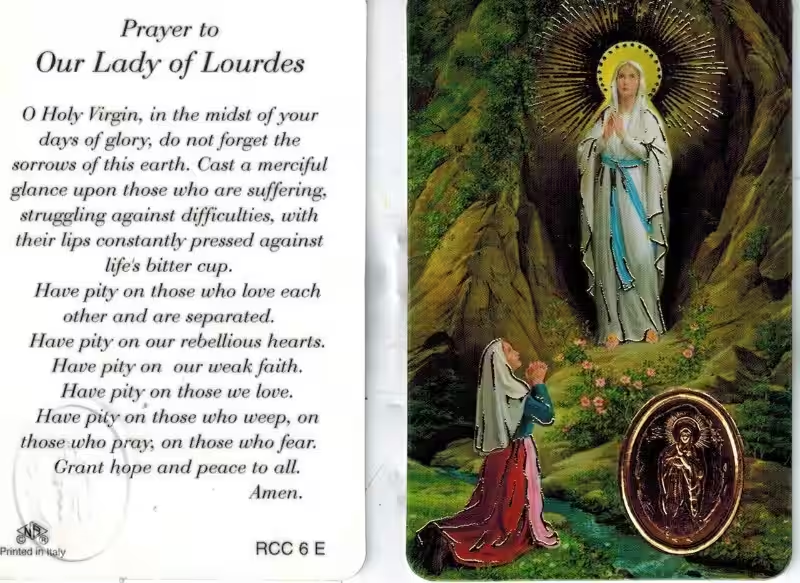
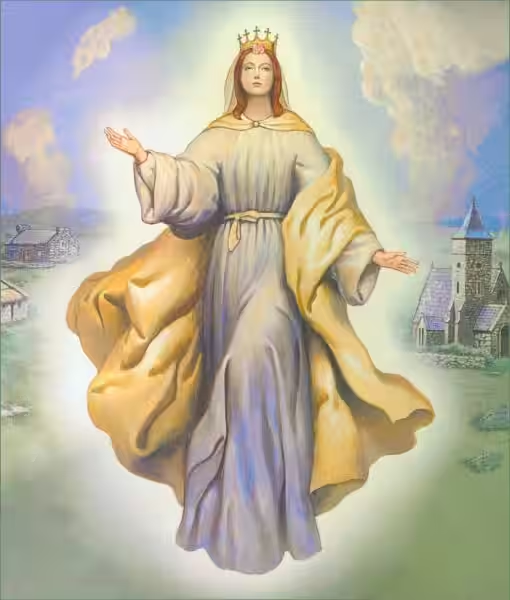
The name Lourdes resonates deeply within the Catholic faith, a beacon of hope and miraculous intercession for millions worldwide. At the heart of this sacred site lies the profound presence of the Virgin Mary, whose apparitions to a young peasant girl, Bernadette Soubirous, in 1858, transformed a humble grotto into one of the most significant pilgrimage destinations on Earth. The story of the Virgin Mary at Lourdes is not merely a historical event; it is a living testament to enduring faith, the power of divine grace, and the solace found in belief.
For those seeking spiritual renewal, physical healing, or simply a deeper connection to their faith, the journey to Lourdes is often undertaken with immense anticipation and a humble heart. The story unfolds with a young girl, Bernadette Soubirous, who, in a time of poverty and hardship, experienced a series of visions in a grotto near her village. These visions were attributed to the Immaculate Conception herself, the Blessed Virgin Mary, a revelation that would forever change the landscape of religious devotion and attract countless pilgrims to this Pyrenean town.
The tale of the Virgin Mary at Lourdes begins with the simple yet extraordinary encounters of Bernadette Soubirous. In 1858, this uneducated and often frail girl began to experience visions of a beautiful lady in the Massabielle Grotto. These were not fleeting glimpses; they were sustained encounters that would occur numerous times over several months. Bernadette, initially bewildered and sometimes frightened, was instructed by the lady to pray and to drink from a spring that would miraculously appear.
This spring, born from Bernadette’s earnest digging at the lady’s behest, became a focal point of the apparitions and a cornerstone of Lourdes’ enduring legacy. The Virgin Mary revealed herself to Bernadette as “the Immaculate Conception,” a declaration of profound theological significance that confirmed her divine nature. This simple shepherdess, chosen by divine providence, became the unlikely messenger of a message that would inspire countless souls and establish Lourdes as a paramount sanctuary of faith.
The Message of Hope and Penance
The messages conveyed by the Virgin Mary at Lourdes were not complex theological treatises, but rather profound calls to prayer, penance, and humility. Bernadette was urged to pray for sinners and to perform acts of penance, reminding pilgrims that spiritual well-being is often intertwined with sacrifice and inner reflection. These messages, delivered with gentle but firm insistence, resonated deeply with a world grappling with its own spiritual and societal challenges.
The emphasis on penance at Lourdes is not about self-punishment, but rather a conscious turning away from sin and a recommitment to a life guided by divine love. It’s about acknowledging our human frailties and seeking divine mercy through prayer and a renewed commitment to living a virtuous life. For many, this call to penance is a powerful invitation to spiritual purification and a deeper understanding of their relationship with God.
The Sacred Waters: A Symbol of Divine Grace
One of the most tangible and iconic aspects of the Virgin Mary at Lourdes is the miraculous spring. Following the instructions of the lady in the grotto, Bernadette dug at a specific spot, and water began to flow. This seemingly ordinary act unleashed a torrent of divine grace, and the waters of Lourdes quickly gained a reputation for their healing properties. This is not to say that the water itself possesses magical powers, but rather that it is seen as a channel of God’s grace, through which the intercession of the Virgin Mary can bring about miraculous cures.
Pilgrims from all walks of life flock to Lourdes, not only to pray in the sacred grotto but also to experience the waters firsthand. Whether through drinking from the fountains or bathing in the special pools, the act of engaging with the Lourdes water is a deeply spiritual one. It is a physical manifestation of the spiritual cleansing and healing that so many seek, a tangible link to the miraculous power that emanates from the site where the Virgin Mary appeared.
The Unfolding Miracles and Their Impact
Over the decades, Lourdes has become synonymous with miraculous healings. While the Church approaches such claims with careful scrutiny and rigorous investigation, the documented cases of unexplained recoveries have solidified Lourdes’ reputation as a place of profound spiritual and physical restoration. These miracles, often occurring after individuals have prayed at the grotto or partaken of the waters, serve as powerful testaments to the enduring power of faith and the intercession of the Virgin Mary.
The impact of these miraculous events extends far beyond individual lives. They offer solace and renewed hope to those suffering from illness, doubt, or despair. The stories of healing at Lourdes inspire a deeper belief in the possibility of divine intervention and reinforce the profound connection between faith, prayer, and healing, all attributed in large part to the compassionate presence of the Virgin Mary.
Today, Lourdes remains a vibrant and essential center of Catholic pilgrimage. Millions of visitors, from all corners of the globe, journey to this spiritual haven each year, drawn by the legacy of the Virgin Mary at Lourdes and the promise of spiritual encounter. The site has expanded significantly since Bernadette’s time, offering a range of facilities to accommodate the vast number of pilgrims, including basilicas, chapels, and hospitals.
The experience of visiting Lourdes is multifaceted. It is a place for personal prayer and reflection, for participating in sacred ceremonies, and for joining in communal worship. The sheer number of people gathered, united in their faith and hope, creates an atmosphere of profound spirituality. Whether one is seeking a miraculous cure or simply a deeper connection to God, the Virgin Mary at Lourdes continues to offer a path of solace and renewed faith.
The Enduring Relevance of Mary’s Presence
The apparitions of the Virgin Mary at Lourdes, and the ongoing tradition of pilgrimage and healing associated with the site, speak to a timeless human need for connection, comfort, and divine intervention. In a world that can often feel chaotic and uncertain, Lourdes offers a sanctuary of peace and a profound reminder of the enduring power of faith. The Virgin Mary’s gentle guidance and the miraculous waters continue to draw souls seeking solace and spiritual renewal.
The story of Bernadette and the Virgin Mary at Lourdes is a powerful narrative that transcends time and culture. It is a testament to the fact that even in the face of hardship, hope can flourish, faith can heal, and the divine can touch our lives in unexpected and extraordinary ways, all through the loving intercession of the Blessed Mother.
Frequently Asked Questions: The Virgin Mary at Lourdes
What is the significance of the Virgin Mary at Lourdes?
The apparitions of the Virgin Mary to Bernadette Soubirous in Lourdes, France, are a cornerstone of Catholic devotion and pilgrimage. The Blessed Virgin Mary, whom Bernadette identified as “the Immaculate Conception,” appeared to her 18 times in 1858. These apparitions are believed by Catholics to be a divine revelation, emphasizing prayer, penance, and the intercession of Mary.
What does “Immaculate Conception” mean in relation to the Virgin Mary at Lourdes?
When Bernadette asked the lady who appeared to her her name, the lady replied, “I am the Immaculate Conception.” This statement was profoundly significant because the dogma of the Immaculate Conception, defining that Mary was conceived without original sin, had only been proclaimed by the Catholic Church three years prior, in 1854. Bernadette, an uneducated peasant girl, would not have known this theological term, leading many to believe it was a miraculous confirmation of the dogma through divine revelation.
What is the role of religion in the Lourdes experience?
Lourdes is a deeply religious site. The Catholic Church recognizes the apparitions and the site as a place of divine grace. Pilgrims visit Lourdes primarily for spiritual reasons: to pray, to seek healing (both spiritual and physical, often through the waters of the grotto), and to deepen their faith. The Catholic Mass, sacraments, processions, and prayer services are central to the experience of visiting Lourdes.
Are the healings at Lourdes considered miraculous?
The Catholic Church officially recognizes Lourdes as a place of miraculous healings. While many people experience spiritual consolation and a sense of peace, a smaller number of people report physical healings that are considered medically inexplicable. The Lourdes Medical Bureau investigates these claims, and after rigorous examination, the Church may officially declare a healing as miraculous. These declarations are rare and require thorough medical and spiritual scrutiny.
What are the main religious practices at Lourdes?
The primary religious practices at Lourdes include:
The Grotto of Massabielle: This is the site of the apparitions where pilgrims pray, light candles, and drink or bathe in the water from the spring discovered by Bernadette.
The Sacraments: Confession and Holy Mass are widely available and frequently attended.
Processions: The Blessing of the Sick procession and the Candlelight Procession are significant communal acts of faith.
Prayer: The Rosary is recited, and pilgrims engage in personal prayer and contemplation.
What is the Catholic Church’s official stance on Lourdes?
The Catholic Church officially recognizes the apparitions of the Virgin Mary at Lourdes as authentic. The Bishop of Tarbes initially investigated the apparitions and eventually declared them worthy of belief in 1862. The sanctuary at Lourdes is a major international pilgrimage site administered by the Church, and it is considered a Marian shrine of great importance.