For centuries, the words of Psalm 23 have resonated deeply within the hearts of believers, offering solace, strength, and a profound sense of divine presence. Within the Roman Catholic tradition, this psalm holds a particularly cherished place, often recited at times of joy and sorrow, comfort and challenge. Its simple yet powerful imagery of a shepherd tending to his flock speaks to an intimate relationship with God, a relationship that underpins the very essence of our faith.
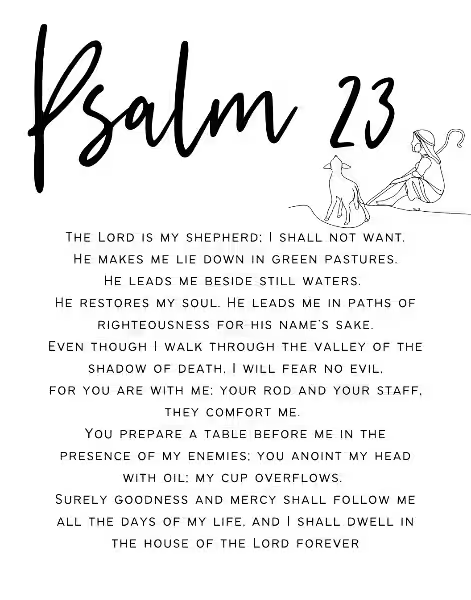
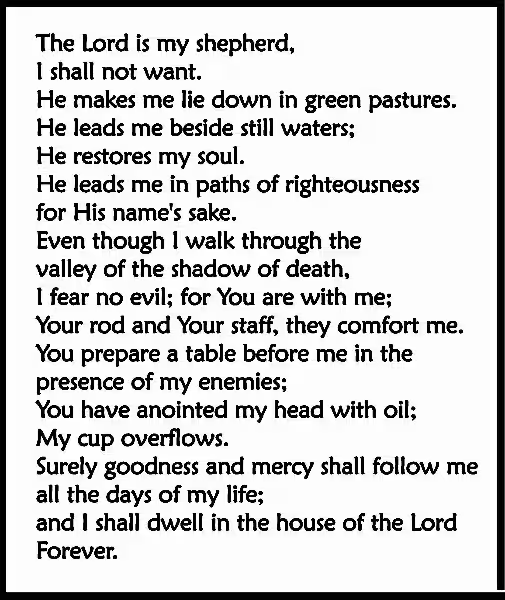
The Roman Catholic version of Psalm 23 begins with the iconic declaration, “The Lord is my shepherd; I shall not want.” This single sentence encapsulates a universe of trust and dependence. It’s not just a poetic phrase; it’s a cornerstone of Catholic belief, a declaration that in God, we have everything we truly need. This inherent completeness found in God’s love is a constant source of reassurance, reminding us that material possessions or worldly success are secondary to the spiritual nourishment He provides.
“He makes me lie down in green pastures; he leads me beside still waters.”
This beautifully evocative line from Psalm 23 in the Roman Catholic translation paints a picture of perfect peace and rest. Imagine a weary traveler, parched and exhausted, stumbling upon a cool, clear stream and a meadow of lush grass. This is the divine invitation God extends to us. In the sacraments, particularly the Eucharist, we find these “green pastures” and “still waters” for our souls. The Mass itself becomes a sanctuary, a place where the anxieties of the world can momentarily fade, replaced by the profound peace that comes from being in God’s presence.
This imagery also speaks to the rhythm of spiritual life. Just as a shepherd knows when his sheep need to rest and replenish, God understands our need for respite from the demands of daily life. He doesn’t expect us to be constantly striving; He calls us to periodically pause and be still, allowing His grace to restore us. This concept is crucial for Roman Catholics navigating the complexities of the modern world, reminding us that true strength is often found in surrender and quiet contemplation.
“He restores my soul; he leads me in paths of righteousness for his name’s sake.”
Here, Psalm 23, as understood in the Roman Catholic Church, moves from passive rest to active guidance. The shepherd doesn’t just provide sustenance; he actively leads and restores. This restoration of our soul is a central theme in Catholic spirituality, often achieved through the Sacrament of Reconciliation (Confession). In confession, we unburden ourselves of sin, and through God’s mercy, our souls are healed and renewed, ready to embark on His righteous path once more.
The phrase “paths of righteousness” signifies more than just avoiding wrongdoing; it’s about actively choosing to live a life that reflects God’s love and justice. For Roman Catholics, this often translates into living out the teachings of the Church, engaging in acts of charity, and striving to be disciples of Christ in all aspects of our lives. The ultimate goal, as the psalm suggests, is for “his name’s sake,” meaning our actions should ultimately bring glory to God.
Navigating the Dark Valley: Facing Fear with Faith
The most poignant and relatable section of Psalm 23 for Roman Catholics is undoubtedly, “Even though I walk through the valley of the shadow of death, I will fear no evil, for you are with me; your rod and your staff, they comfort me.” This is where the psalm’s promise truly shines, offering unwavering hope in the face of life’s darkest moments. Whether it’s personal illness, the loss of a loved one, or the struggle with profound doubt, this verse assures us that we are never truly alone.
The “rod and staff” are not instruments of punishment but of protection and guidance. The rod was used to defend the sheep from predators, and the staff to gently guide them away from danger or to lift them if they stumbled. This dual function symbolizes God’s protective love and His guiding wisdom. In the Roman Catholic tradition, we find this comfort and guidance through prayer, the intercession of saints, and the support of our faith community. Even in the deepest despair, the knowledge that God is actively watching over us, ready to defend and guide, can be an immense source of courage.
The psalm culminates with the triumphant declaration found in the Roman Catholic rendition of Psalm 23: “You prepare a table before me in the presence of my enemies; you anoint my head with oil; my cup overflows.” This imagery speaks of divine provision and blessing, even amidst adversity. The “table” can be understood as the sacred altar in our churches, where Christ Himself offers us the Bread of Life, the Eucharist. This is a feast of love and grace, available to us regardless of our external circumstances.
The overflowing cup symbolizes God’s boundless generosity. He doesn’t give grudgingly; He pours out His blessings abundantly. This reflects the Catholic understanding of God’s unending love and mercy. Furthermore, this promise extends beyond this earthly life, pointing towards the eternal banquet of heaven, where we will ultimately feast with God forever. Psalm 23, therefore, is not just a psalm of comfort for the present; it is a profound expression of hope for our eternal destiny as Roman Catholics, a testament to the shepherd’s unwavering care from this life into the next.
Frequently Asked Questions about Psalm 23 (Roman Catholic Version)
What is Psalm 23?
Psalm 23 is a beloved and widely recited psalm in the Bible, often referred to as the “Shepherd’s Psalm.” It speaks of God’s loving care, guidance, and protection, comparing God to a shepherd and believers to His sheep.
What is the Roman Catholic version of Psalm 23?
The Roman Catholic version of Psalm 23 is typically found in the Catholic lectionary and common prayer books. While the core message remains the same, there might be slight variations in wording or translation compared to other versions, reflecting the official liturgical translations approved by the Catholic Church.
Why is Psalm 23 so popular in the Roman Catholic Church?
Psalm 23 is popular in the Roman Catholic Church due to its beautiful imagery of God’s constant presence, provision, and comfort. It offers solace in times of difficulty, reassurance of divine guidance, and a profound sense of peace and security in God’s love. It is frequently used in liturgies, funeral services, and personal prayer.
The key themes in Psalm 23 include:
* Divine Provision: God provides for all our needs (“He makes me lie down in green pastures,” “He leads me beside still waters”).
* Guidance and Restoration: God guides us on the right path and restores our souls (“He guides me in paths of righteousness,” “He restores my soul”).
* Protection and Comfort: God protects us from harm and offers comfort, even in the face of death (“Even though I walk through the valley of the shadow of death, I will fear no evil, for you are with me,” “your rod and your staff, they comfort me”).
* Abundant Blessing: God’s goodness and mercy are present throughout our lives and into eternity (“You prepare a table before me in the presence of my enemies,” “Surely goodness and mercy shall follow me all the days of my life”).
* Eternal Dwelling: The psalm concludes with the promise of dwelling in God’s presence forever (“and I shall dwell in the house of the Lord forever”).
How can I pray Psalm 23?
You can pray Psalm 23 by reading it reflectively, meditating on its verses, and personalizing its message. Consider how God is your shepherd in your own life, providing for you, guiding you, and protecting you. You can also use it as a prayer of thanksgiving for His constant love and faithfulness.
Where can I find the Roman Catholic version of Psalm 23?
You can find the Roman Catholic version of Psalm 23 in:
* The Roman Catholic Bible (often indicated as a Catholic edition).
* The Roman Catholic Lectionary (the book used for Mass readings).
* Approved Catholic prayer books and hymnals.
* Online resources that specifically provide Catholic translations of Scripture.