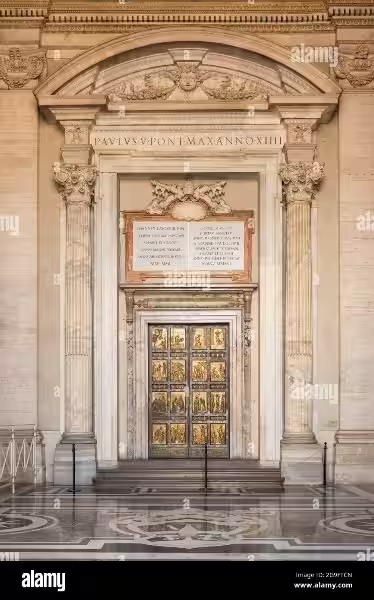
Imagine standing before a colossal, ornate bronze entrance, not just a mere portal, but a symbol steeped in centuries of faith, hope, and profound spiritual significance. This is the experience of encountering the Holy Door at St. Peter’s Basilica, a sacred threshold that transcends its physical form to become a powerful conduit for divine encounter. For pilgrims and visitors alike, this door represents far more than just an architectural feature; it’s an invitation to embark on a journey of introspection and spiritual renewal, a tangible representation of God’s boundless mercy.
The very act of passing through the Holy Door at St. Peter’s Basilica is steeped in tradition and meaning within the Catholic faith. It’s not an everyday occurrence, but a special event reserved for extraordinary times, most notably during Holy Years, or Jubilees. When this door is opened, it signals a unique period of grace, offering a special remission of sins and a profound opportunity for spiritual growth. This concept of a sacred passage, a gateway to a deeper connection with the divine, is central to the enduring allure and solemnity of this iconic landmark.
The concept of a “holy door” is deeply rooted in Christian symbolism, representing Jesus Christ Himself, who declared, “I am the door.” This metaphor highlights His role as the sole mediator between humanity and God, the ultimate pathway to salvation. When we speak of the Holy Door at St. Peter’s Basilica, we are referring to a specific manifestation of this profound theological truth, a physical gateway through which believers are encouraged to pass with faith and reverence.
Throughout history, the opening and closing of sacred doors have marked significant moments of divine intervention and spiritual opportunity. In the context of Rome, the most prominent and revered of these is undoubtedly the Holy Door at St. Peter’s Basilica. Its solemn opening, usually performed by the Pope himself, is a dramatic and deeply moving ceremony that ushers in a period of intensified spiritual focus for the entire Catholic world. This act signifies an ‘opening’ of God’s grace, making His mercy more accessible to those who approach with a contrite heart.
The Ritual and Significance of Passage
The experience of passing through the Holy Door at St. Peter’s Basilica is not a casual one. It is preceded by prayer, confession, and a sincere desire for reconciliation with God. For many, the journey to Rome itself is a pilgrimage, a shedding of worldly concerns to focus on spiritual matters. When the moment arrives to approach the door, there’s a palpable sense of anticipation and awe, a feeling of stepping into a space where the veil between the earthly and the divine feels thinner.
The act of crossing the threshold is symbolic of a spiritual transformation. It represents leaving behind the old and embracing the new, a conscious decision to align oneself more closely with God’s will. This is not merely a physical movement; it’s a profound internal shift. Think of it like this: if you’re feeling overwhelmed by life’s challenges, seeking solace and strength, passing through the Holy Door at St. Peter’s Basilica is like stepping into a sanctuary of peace, where your burdens can be lightened and your spirit renewed. The specific rituals associated with passing through can vary slightly, but the core intention remains the same: to encounter God’s grace through faith and repentance.
A Timeless Symbol of Mercy and Forgiveness
The very existence of the Holy Door at St. Peter’s Basilica speaks volumes about the enduring Christian message of God’s boundless mercy and forgiveness. Unlike regular doors that are opened and closed daily, this sacred portal remains sealed for long periods, only to be dramatically opened for a specific duration. This deliberate sealing and unveiling underscores the extraordinary nature of the grace it represents, a divine gift made available at particular times.
For centuries, countless souls have passed through this sacred threshold, each with their own unique stories of struggle, hope, and conversion. The stories whispered within the hallowed halls of St. Peter’s, and the personal testimonies of those who have experienced the spiritual impact of passing through the Holy Door at St. Peter’s Basilica, form a tapestry of faith that resonates across generations. It’s a powerful reminder that no matter our past, God’s love and forgiveness are always within reach, a constant invitation to return to Him.
The Pope’s Role and the Opening Ceremony
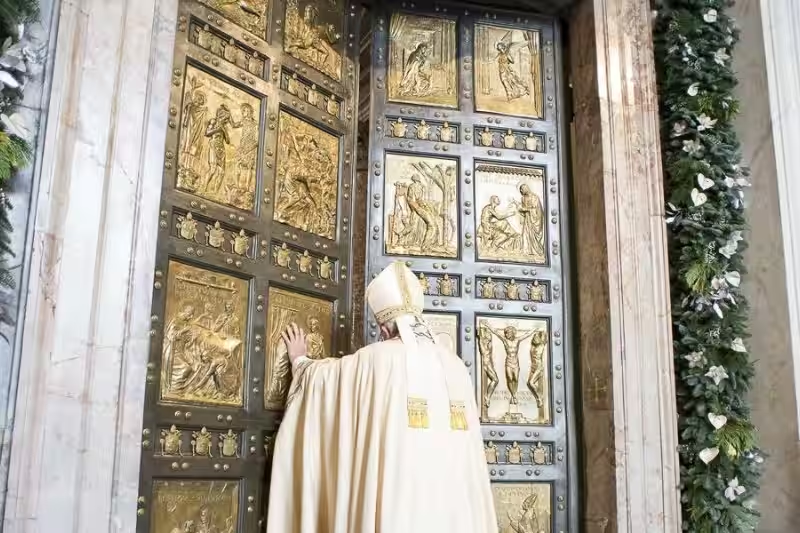
The opening of the Holy Door at St. Peter’s Basilica is a pivotal moment, traditionally initiated by the Pope. This solemn ceremony, often occurring at the beginning of a Jubilee year, is a highly symbolic act. The Pope, representing Christ on Earth, wields a silver hammer to strike the door, breaking the seal and allowing it to be opened. This gesture is not merely ceremonial; it’s a profound declaration that God’s mercy is now being made more openly available to the faithful.
The visual spectacle of the Pope opening the door is awe-inspiring. As the heavy bronze panels swing inward, revealing the path to the basilica’s interior, it’s a powerful visual metaphor for the opening of heaven’s gates to those who approach with faith. This act signifies the Pope’s authority to dispense spiritual graces, and the opening of the Holy Door at St. Peter’s Basilica is a prime example of this pastoral responsibility in action, inviting all to partake in the spiritual riches of the Jubilee.
While the physical grandeur of the Holy Door at St. Peter’s Basilica is undeniable, its true significance lies in the spiritual journey it inspires. It serves as a focal point for prayer, meditation, and the examination of one’s conscience. The act of passing through is meant to be a catalyst for personal renewal, prompting individuals to reflect on their lives and their relationship with God.
The grace associated with passing through the Holy Door is not a magical incantation but a spiritual disposition. It requires an open heart, a willingness to repent, and a commitment to live a life more aligned with Christian teachings. For many, the experience of passing through the Holy Door at St. Peter’s Basilica becomes a deeply personal encounter with divine love, a moment of profound peace and absolution that can resonate for years to come.
Preparing for the Passage: A Heart of Faith
Before approaching the Holy Door at St. Peter’s Basilica, a period of spiritual preparation is highly encouraged. This often involves participating in the Sacrament of Reconciliation, commonly known as confession, to confess sins and receive absolution. It also entails a commitment to prayer and a sincere desire to live a life free from the burden of sin.
Think of it like preparing to meet someone very important. You’d want to be dressed appropriately, have your thoughts in order, and be ready to listen. Similarly, approaching the Holy Door with a contrite heart and a spirit of prayer allows for a more profound and meaningful reception of the graces offered. This preparation is not about earning God’s favor but about opening oneself to receive the immense gift of His mercy, which is freely offered through the symbolic passage of the Holy Door at St. Peter’s Basilica.
The Enduring Legacy of a Sacred Threshold
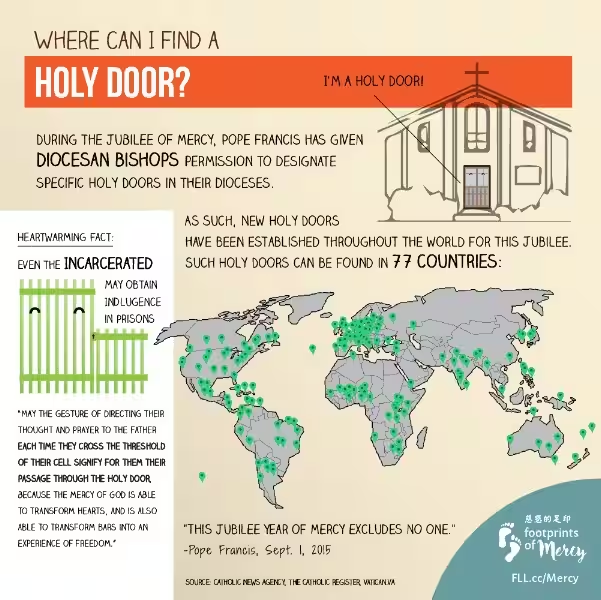
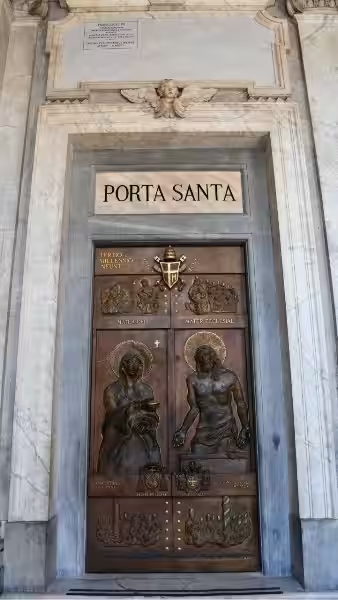
The tradition of the Holy Door at St. Peter’s Basilica, and indeed of Holy Doors in other basilicas, has continued for centuries, evolving but remaining true to its core purpose: to offer a tangible pathway to God’s grace. It stands as a testament to the enduring power of faith and the human longing for spiritual connection.
Even outside of Jubilee years, the presence of the sealed Holy Door serves as a reminder of the spiritual opportunities that are always available to those who seek them with a sincere heart. It’s a beacon of hope, a symbol of God’s unwavering love and His constant invitation to draw closer to Him. The stories associated with the Holy Door at St. Peter’s Basilica are not just historical accounts; they are living testaments to the transformative power of faith and the profound mercy that awaits us all.
Frequently Asked Questions about the Holy Door of St. Peter’s Basilica
What is the Holy Door?
The Holy Door is one of the four doors of St. Peter’s Basilica in Vatican City. It is a sacred portal that is only opened during special Jubilee years, which occur roughly every 25 years. It is believed that passing through the Holy Door during a Jubilee grants a plenary indulgence.
When is the Holy Door opened?
The Holy Door is opened by the Pope at the beginning of a Holy Year (Jubilee) and is sealed again at its conclusion. The most recent Holy Year was the Jubilee of Mercy in 2015-2016. The next Holy Year is scheduled for 2025.
What is the significance of the Holy Door in Catholicism?
In Catholic tradition, the Holy Door symbolizes a passage to divine mercy and forgiveness. Its opening signifies a time of grace and spiritual renewal for pilgrims. The act of passing through it is a symbolic journey, representing a commitment to faith and repentance.
Who can pass through the Holy Door?
Any pilgrim who wishes to may pass through the Holy Door during a Jubilee year. The Church encourages all faithful to avail themselves of this special opportunity for spiritual grace and encounter God’s mercy.
How is the Holy Door opened?
The Pope traditionally opens the Holy Door by striking it with a silver hammer three times. This symbolic act signifies breaking down the barriers between humanity and God’s grace.
What is a Jubilee Year and how does it relate to the Holy Door?
A Jubilee Year, also known as a Holy Year, is a special period of remission of sins and of temporal punishment for sins, as well as of public prayers and works of charity. The opening of the Holy Door is a central and iconic event marking the beginning of a Jubilee.
What is a plenary indulgence?
A plenary indulgence is the remission of all temporal punishment due to sins whose guilt has already been forgiven. In the Catholic Church, specific conditions must be met to receive a plenary indulgence, such as passing through the Holy Door during a Jubilee, receiving Communion, going to confession, praying for the Pope’s intentions, and being detached from all sin.