Unveiling the Blueprint: What is Roman Catholic Systematic Theology?
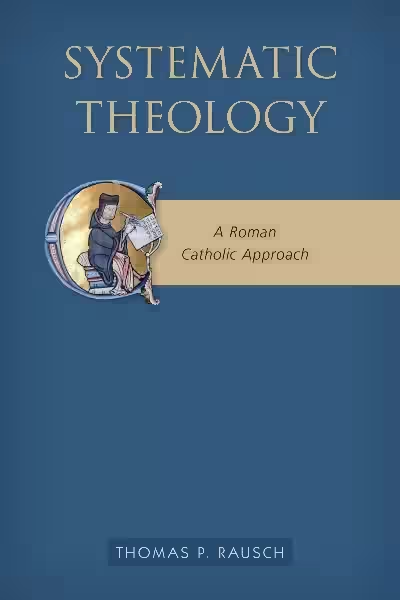
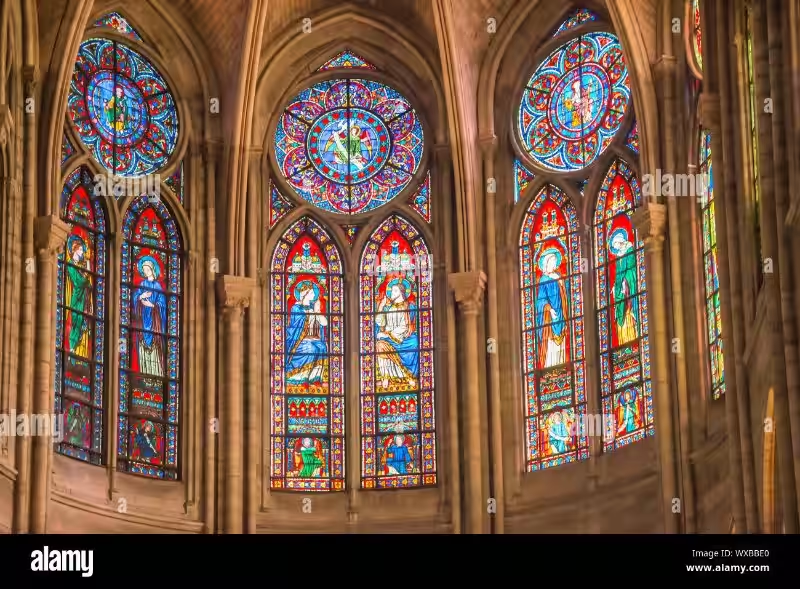
Imagine standing before a grand cathedral, its spires reaching towards the heavens, its stained-glass windows telling stories of ages past. This magnificent structure didn’t appear overnight; it was meticulously designed, brick by brick, with a profound understanding of its purpose and a coherent vision. In a similar vein, Roman Catholic systematic theology is the intellectual and spiritual architecture of the Catholic faith. It’s not a random collection of beliefs but a structured, logical, and comprehensive exploration of God’s revelation, organized into distinct but interconnected themes. Think of it as the divine blueprint for understanding who God is, what He has done, and what He calls us to be.
This intricate system seeks to answer the fundamental questions of human existence: Why are we here? What is our purpose? How do we relate to the divine? Systematic theology in the Roman Catholic tradition meticulously examines the sacred deposit of faith, which includes Scripture, Tradition, and the Magisterium (the teaching authority of the Church). It seeks to present these truths in a clear, organized, and accessible manner, making them relatable and applicable to everyday life. It’s about moving beyond isolated doctrines to see the overarching narrative of salvation history, all woven together by God’s love and plan for humanity.
The Core Pillars: God, Christ, and the Church
At the very heart of Roman Catholic systematic theology lies the profound mystery of God Himself. This branch of theology delves into the nature of God as Trinity – Father, Son, and Holy Spirit – three distinct Persons, yet one God. It explores God’s attributes, such as His omnipotence, omniscience, omnipresence, and perfect love. Understanding God is the foundational step in the entire theological enterprise, shaping our perception of everything else.
From this bedrock understanding of God, Roman Catholic systematic theology moves to the central figure of Jesus Christ. This is Christology, the study of Jesus’ person and work. It grapples with the Incarnation, the astounding truth that God became man, uniting divine and human natures in the person of Jesus. It explores His life, teachings, miracles, death, and resurrection, understanding these events not as isolated historical occurrences but as the pivotal moments of redemption that offer salvation to all humanity.
Further extending from Christology, Roman Catholic systematic theology meticulously examines the Church. This is Ecclesiology, the study of the nature, mission, and structure of the Church. The Church is understood not merely as a human institution but as the Mystical Body of Christ, animated by the Holy Spirit. It explores the sacraments, the sacred liturgy, the roles of clergy and laity, and the universal call to holiness. The Church is seen as the instrument through which God’s grace is dispensed and His saving work continues in the world.
The Journey of Salvation: From Creation to Eternal Life
Roman Catholic systematic theology doesn’t just present abstract doctrines; it tells a story, a grand narrative of God’s relationship with humanity. This narrative begins with Creation, where God, out of pure love, brought the universe and everything in it into existence. It explores the dignity of the human person, created in the image and likeness of God, with an inherent capacity for relationship with Him.
However, this perfect beginning was marred by the Fall of humanity, a concept explored in hamartiology, the study of sin. The introduction of sin disrupted the harmony between God and humanity, leading to consequences of brokenness, suffering, and death. This is where the need for redemption becomes starkly evident, setting the stage for God’s ultimate act of love.
This act of redemption is the work of Soteriology, the study of salvation. Roman Catholic systematic theology emphasizes that salvation is a gift of God’s grace, freely offered through the merits of Jesus Christ. This grace is received through faith and works, understood not as a means of earning salvation but as a response to God’s initiative. The journey of salvation continues through sanctification, the process of becoming more like Christ, and ultimately leads to the hope of eternal life in the presence of God.
Understanding the Human Condition: Grace, Sin, and Virtue
A significant portion of Roman Catholic systematic theology is dedicated to understanding the complexities of the human condition. It grapples with the interplay between divine grace and human freedom. Grace is understood as God’s supernatural assistance, enabling us to overcome the effects of sin and to live a virtuous life. It’s like a helping hand from God, lifting us up when we stumble.
Simultaneously, the theological system acknowledges the reality of sin, both original sin, which is inherited, and actual sin, which we commit through our own choices. Roman Catholic systematic theology doesn’t dwell on sin for condemnation but to highlight our dependence on God’s mercy and forgiveness. The sacrament of Reconciliation (Confession) is a tangible expression of this mercy.
In contrast to sin, the theological framework explores the development of virtue. Virtues are habitual dispositions that enable us to act in accordance with the good. The theological virtues – faith, hope, and charity – are infused by God and direct us towards Him. The cardinal virtues – prudence, justice, fortitude, and temperance – are acquired through practice and guide our actions in the world. Together, these virtues form the bedrock of a holistic Christian life.
The Liturgical Heartbeat: Worship and Sacramental Life
The expression of Roman Catholic systematic theology finds its most vibrant and tangible form in the liturgy and sacramental life of the Church. Liturgy is the public worship of God, the communal prayer and expression of faith. It’s not just singing hymns; it’s the sacred action of the Church, participating in the very life of God.
Central to this liturgical life are the seven sacraments. These are visible signs instituted by Christ to give grace. Think of them as channels through which God’s divine life flows into us. We have: Baptism: Our entry into the Church and the forgiveness of original sin. Confirmation: A strengthening of our baptismal graces, empowering us for mission. Eucharist: The Real Presence of Christ, the source and summit of Christian life, where we partake in His sacrifice. Reconciliation (Confession): The healing of our sins and restoration of our relationship with God and the Church. Anointing of the Sick: Comfort and healing for those who are ill. Holy Orders: The sacrament that calls and empowers men for ordained ministry. Matrimony: A covenant of love and life between a man and a woman, reflecting Christ’s love for the Church.
These sacraments are not merely symbolic rituals; they are efficacious signs, meaning they do what they signify. They are the heartbeat of the Catholic faith, providing the means of grace for believers to grow in holiness and to live out their calling.
Living the Faith: Ethics, Morality, and the Common Good
Roman Catholic systematic theology extends its reach into the realm of ethics and morality. It provides a framework for understanding right and wrong, not based on fluctuating societal opinions, but on God’s eternal moral law, revealed through Scripture and Tradition. This is moral theology, which explores how we are called to live in accordance with God’s will.
Key to this moral understanding is the concept of the Common Good. This refers to the sum total of social conditions that allow people, either groups or individuals, to reach their fulfillment more fully and more easily. Roman Catholic systematic theology teaches that our ethical obligations extend beyond our personal spiritual lives to include our responsibility towards society and the creation entrusted to us.
This means engaging with issues such as social justice, the dignity of every human life from conception to natural death, the pursuit of peace, and the care for our environment. The application of Roman Catholic systematic theology to these real-world issues demonstrates its relevance and transformative power, guiding believers to be agents of God’s love and justice in the world. It’s about building a world that reflects God’s own perfect order and love.
Frequently Asked Questions about Roman Catholic Systematic Theology
What is Systematic Theology?
Systematic theology is the study of Christian doctrine organized by topics. Instead of studying the Bible book by book, systematic theology examines specific theological themes, such as the nature of God, the person and work of Christ, salvation, the Church, and the sacraments, drawing from scripture, tradition, and reason.
What is the relationship between Systematic Theology and Roman Catholicism?
Roman Catholic systematic theology is the organized study of Catholic doctrines. It seeks to understand and articulate the faith of the Catholic Church in a coherent and logical manner, drawing upon the Magisterium (teaching authority of the Church), the writings of Church Fathers, the teachings of councils, and the pronouncements of Popes.
What are the main topics covered in Catholic Systematic Theology?
Key topics typically include:
* Theology Proper: The study of God (His existence, attributes, the Trinity).
* Christology: The study of Jesus Christ (His person, divinity, humanity, work of salvation).
* Pneumatology: The study of the Holy Spirit (His person, work, gifts).
* Anthropology: The study of humanity (creation, original justice, sin).
* Soteriology: The study of salvation (grace, justification, sanctification, redemption).
* Ecclesiology: The study of the Church (its nature, mission, sacraments, hierarchy, laity).
* Sacramentology: The study of the sacraments.
* Eschatology: The study of last things (death, judgment, heaven, hell, purgatory, the Second Coming).
What sources does Catholic Systematic Theology rely on?
Catholic systematic theology draws from:
* Sacred Scripture: The Bible, understood as divinely inspired.
* Sacred Tradition: The teachings and practices of the Church passed down from the Apostles.
* The Magisterium: The teaching authority of the Church, exercised by the Pope and bishops in communion with him.
* Reason and Philosophy: Natural reason and philosophical inquiry are seen as compatible with and supportive of faith.
How is Systematic Theology different from other theological approaches?
While other theological approaches might focus on historical development (historical theology), biblical interpretation (biblical theology), or practical application (pastoral theology), systematic theology aims to present a comprehensive and organized overview of the faith’s core beliefs. Catholic systematic theology distinguishes itself by its firm grounding in the Magisterium and its understanding of the unity of faith and reason.
Is Systematic Theology a closed or static system?
While the core doctrines of the Catholic faith are considered unchanging, systematic theology is a living discipline. It continually engages with new questions, challenges, and understandings in light of Scripture, Tradition, and the ongoing guidance of the Magisterium. It seeks to articulate eternal truths in contemporary language and contexts.