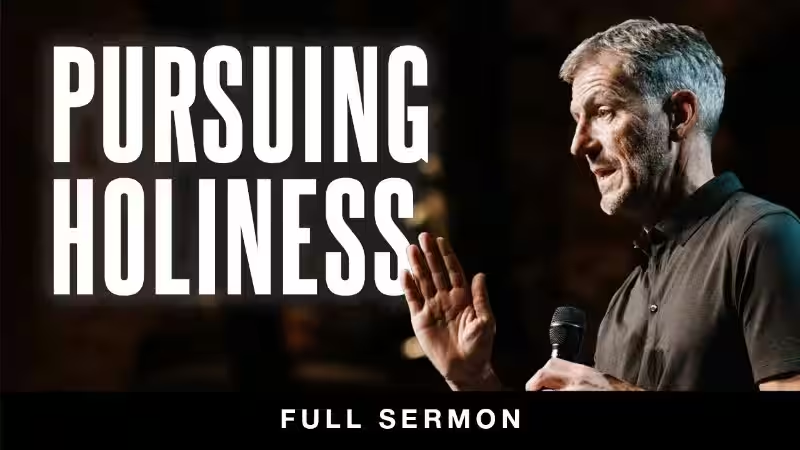
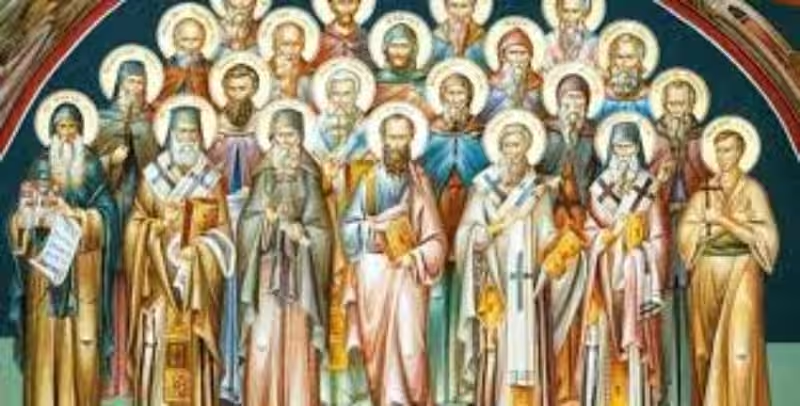
In the tapestry of religious experience, the concept of holiness often emerges as a radiant thread, woven through scripture, tradition, and the lived experiences of countless believers. It is more than just a theological descriptor; it is a compelling invitation to a life set apart, dedicated to God and reflecting His character. The act of preaching holiness is therefore not merely an academic exercise, but a vital message, a beacon guiding individuals towards a deeper, more meaningful relationship with the divine. It speaks to a yearning within the human heart for purity, purpose, and an alignment with something greater than ourselves.
The call to preach holiness resonates across diverse religious traditions, though its specific articulation may vary. At its core, it is the proclamation of God’s perfect nature and the subsequent aspiration for His followers to embody that perfection in their earthly existence. This journey is not about achieving an unattainable standard through sheer human effort, but about responding to a divine initiative, a transformative grace that empowers and sanctifies. Understanding this foundational principle is crucial for anyone seeking to grasp the essence of preaching holiness and its profound implications for faith and practice.
When we speak of holiness, we are not simply referring to a rigid adherence to a set of rules or a detached, ascetic lifestyle. While discipline and obedience are undoubtedly components, true holiness delves much deeper, touching the very core of one’s being. It is about the sanctification of the inner life, the transformation of thoughts, desires, and motivations to align with God’s will. This is a dynamic process, a continuous surrender and renewal, rather than a static state of perfection.
Think of it like tending a garden. Simply fencing it off doesn’t make it holy; it needs constant care. It requires weeding out the undesirable elements, nurturing the good seeds, and allowing the sunlight of God’s presence to foster growth. Preaching holiness, then, is about encouraging believers to engage in this diligent cultivation of their spiritual lives, understanding that God Himself is the source of true growth and transformation. It’s about embracing the process, with all its challenges and triumphs, as a sacred journey.
The impact of a life dedicated to holiness extends far beyond the individual. It radiates outwards, influencing families, communities, and even the wider world. When individuals strive to live lives that reflect God’s character – marked by love, compassion, integrity, and justice – they become powerful agents of positive change. This is the inherent beauty and undeniable force of preaching holiness; it doesn’t just instruct, it inspires and empowers.
Consider the example of a well-crafted musical instrument. When it is perfectly tuned and played with skill, it produces beautiful, harmonious music that can uplift and move listeners. Similarly, a life lived in holiness, attuned to the divine melody, produces a resonant testimony that draws others towards God. This isn’t about boasting or self-righteousness, but about the natural outflow of a transformed heart, a life that, by its very nature, glorifies the One who called it into being.
Cultivating a Holy Lifestyle: Practical Steps
Embarking on the path of holiness can seem daunting, but it is a journey best approached with practical, actionable steps. It begins with a conscious decision to prioritize God in all aspects of life. This involves setting aside dedicated time for prayer and meditation, not as a perfunctory duty, but as a genuine engagement with the divine. It also entails a commitment to studying sacred texts, not just for intellectual knowledge, but for transformative wisdom.
These practices, when consistently applied, begin to sculpt our inner landscape. Think of them as building blocks for a holy life. Here are some fundamental elements to consider:
Regular Prayer and Reflection: Making prayer a dialogue, not a monologue, and dedicating time for quiet reflection allows for deeper connection and understanding.
Scriptural Engagement: Immersing oneself in the sacred writings provides guidance, inspiration, and a framework for living a life pleasing to God.
Ethical Conduct: Striving for integrity in all dealings, practicing honesty, and demonstrating compassion towards others are outward expressions of an inner commitment to holiness.
Discipline and Self-Control: Developing healthy boundaries and exercising self-mastery over desires that lead away from God are crucial for spiritual growth.
Community and Accountability: Engaging with a supportive faith community provides encouragement, challenges, and a network for mutual growth in holiness.
The church, as a body of believers, plays an indispensable role in preaching holiness. It serves as a vital vehicle for disseminating this crucial message and fostering an environment where individuals can grow in their understanding and practice of a sanctified life. This involves more than just delivering sermons; it encompasses the holistic discipleship of its members.
A church that genuinely embraces the call to preach holiness will actively equip its congregants with the tools and encouragement needed for their spiritual journey. This might include discipleship programs, small group studies, and opportunities for service that allow believers to exercise their faith in practical ways. The pulpit becomes a platform for authentic teaching that both challenges and comforts, guiding people towards a deeper walk with God, a walk characterized by increasing likeness to Christ.
In conclusion, the message of preaching holiness is a perennial call to a life of transformation, a journey of intentional dedication to God. It is a call that, when embraced, leads not to burden but to liberation, not to isolation but to deeper connection, and ultimately, to a life that truly reflects the glory of the Creator. This profound invitation continues to resonate, urging every believer to step into the fullness of the life God intends, a life marked by purpose, purity, and an unwavering devotion.
Frequently Asked Questions About Preaching Holiness and Religion
What is holiness in the context of religion?
Holiness refers to a state of being set apart, consecrated, and morally pure. In many religions, it is attributed to God and is the ultimate spiritual ideal for believers. It often involves striving for moral perfection, obedience to divine commands, and a life dedicated to spiritual pursuits.
What is the purpose of preaching holiness?
The purpose of preaching holiness is to inspire and guide individuals and communities toward a more devout and righteous life aligned with their religious beliefs. It aims to educate people about the nature of holiness, its importance, and the practical steps they can take to cultivate it in their lives. It can also serve to encourage spiritual growth, strengthen faith, and foster a deeper relationship with the divine.
How does religion define a holy life?
Different religions have varying definitions and practices associated with a holy life. Generally, it involves adherence to religious doctrines and moral codes, regular prayer and worship, acts of compassion and service, self-discipline, and a commitment to living in accordance with what is considered sacred or divine. It often emphasizes inner transformation as much as outward actions.
In most religious traditions, there are specific roles or qualifications for those who preach. This might include ordained clergy, designated teachers, or individuals recognized for their spiritual maturity and understanding of religious teachings. However, the concept of living a holy life is often seen as a personal journey and aspiration for all believers.
What are some common themes in preaching about holiness?
Common themes include the pursuit of spiritual purity, the importance of ethical conduct, the call to love God and neighbor, the rejection of sin and worldly temptations, the practice of virtues such as humility, forgiveness, and patience, and the ultimate hope of spiritual union or salvation.
How does preaching holiness relate to religious practices?
Preaching holiness often connects to and reinforces religious practices such as prayer, meditation, scripture study, communal worship, fasting, and acts of charity. These practices are seen as tools and disciplines that help individuals cultivate and express holiness in their daily lives.
What are the potential challenges in preaching holiness?
Challenges can include the difficulty of living up to the ideal of holiness, differences in interpretation of what constitutes holiness, the risk of judgmentalism or self-righteousness, and the struggle to make ancient teachings relevant to contemporary life. Preachers may also face resistance to challenging messages or a lack of receptivity from their audiences.
How does one live a holy life outside of formal religious structures?
While formal religious structures often provide guidance, the core principles of holiness—such as compassion, integrity, mindfulness, and striving for personal growth—can be cultivated in various ways. This might involve ethical decision-making, acts of kindness, self-reflection, and a commitment to living with purpose and virtue, regardless of religious affiliation.