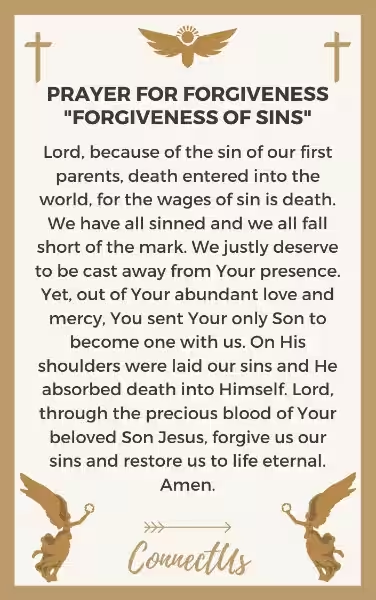
In the tapestry of religious life, there are moments that call for profound introspection, a deep reckoning with our imperfections, and a sincere desire for spiritual renewal. Among these, the Act of Contrition stands as a cornerstone, a sacred prayer and a personal commitment that has resonated with believers across generations and denominations. It’s more than just a recitation of words; it’s an internal turning, a heartfelt acknowledgment of wrongdoing, and a hopeful reaching towards divine forgiveness. Understanding the essence and significance of the Act of Contrition can illuminate a path towards deeper faith, personal growth, and a more meaningful relationship with the divine.
We all stumble. We all fall short of the ideals we hold for ourselves and, more importantly, the divine standards set forth in our religious traditions. This is not a cause for despair, but rather an invitation to embrace the practice of the Act of Contrition. It’s a powerful tool, readily available, that helps us navigate the inevitable complexities of human fallibility and offers a tangible means of seeking absolution and restoring our spiritual equilibrium. Let’s delve into what makes this prayer so vital and how we can integrate its spirit into our daily lives.
At its heart, the Act of Contrition is an expression of sorrow for sins committed, coupled with a firm resolve to amend one’s life. It acknowledges that our actions, or inactions, have offended God and potentially harmed ourselves and others. This isn’t about self-flagellation or dwelling in perpetual guilt; rather, it’s about recognizing the gravity of our missteps and understanding their impact on our spiritual journey. The sincerity of our contrition is paramount, transforming a simple prayer into a potent act of spiritual healing.
Imagine a child who has broken a treasured family heirloom. Their sincere apology, not just the words but the genuine regret in their eyes and their willingness to help fix it, carries immense weight. Similarly, the Act of Contrition is about that genuine feeling of remorse and the commitment to change. It’s about acknowledging the brokenness, feeling the sting of regret, and proactively seeking to mend the spiritual relationship that has been damaged. This understanding is crucial for appreciating the transformative power of this prayer.
The Different Forms of Contrition
Within the broader concept of the Act of Contrition, religious traditions often distinguish between two primary types of sorrow: perfect contrition and imperfect contrition. While both lead to a desire for reconciliation, they stem from different motivations.
Perfect contrition is sorrow for sin motivated by a profound love for God. It arises from the realization that one has offended a God who is infinitely good and worthy of all love. This type of contrition is considered the highest form, as it directly addresses the love for the divine. For example, someone who chooses to confess and repent, not out of fear of punishment, but because they deeply regret hurting the One they love most, is exercising perfect contrition. This is a powerful and transformative state of grace.
Imperfect contrition, often referred to as attrition, is sorrow for sin motivated by the fear of God’s punishment or the ugliness of sin itself. While not as spiritually pure as perfect contrition, it is still a gift from God and is sufficient for receiving the sacrament of reconciliation. It’s the recognition that one’s actions have led to negative consequences, both divine and personal, and that avoiding these consequences is desirable. Think of someone who feels remorse for lying because they fear the repercussions or the shame it brings. This fear, while not purely love-driven, still prompts a turning away from sin and towards God.
The Role of the Act of Contrition in Religious Practice
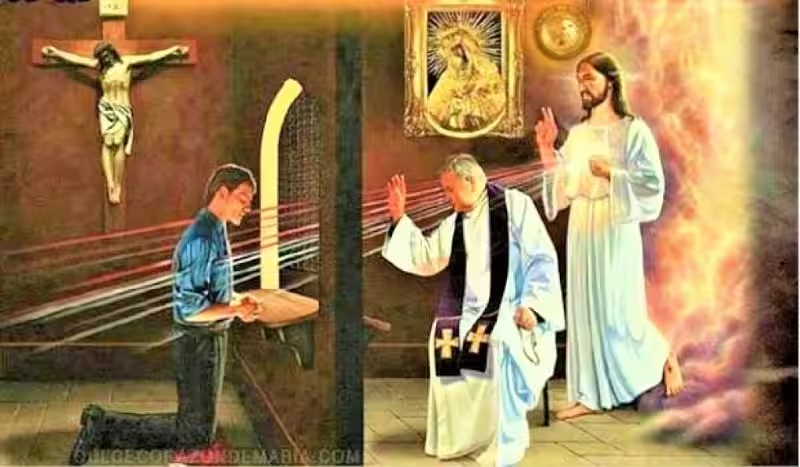
The Act of Contrition plays a vital role in various religious practices, serving as a bridge between human frailty and divine mercy. It is most commonly associated with the Sacrament of Reconciliation (also known as Confession or Penance) in Christianity, particularly within Catholic and Orthodox traditions. Here, it is an integral part of the penitent’s preparation and prayer before confessing their sins to a priest.
Beyond formal sacramental confession, the spirit of the Act of Contrition can be woven into daily prayer, meditation, and personal reflection. It’s a powerful way to maintain spiritual awareness, to continually reorient oneself towards God, and to seek forgiveness for those lesser transgressions that might not warrant formal confession but still weigh on the soul. This ongoing practice fosters a habit of humility and a constant awareness of God’s presence and love.
The Act of Contrition in Prayer and Ritual
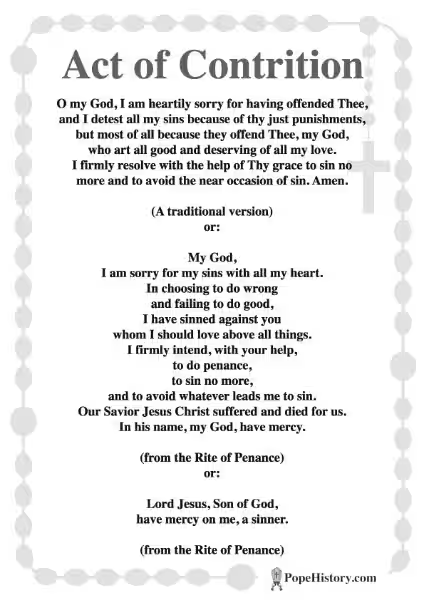
The traditional wording of the Act of Contrition prayer is deeply resonant for many believers. While variations exist, common themes include:
Acknowledging God and expressing sorrow for offending Him.
Listing specific sins or acknowledging general sinfulness.
Expressing the desire to sin no more and to avoid future occasions of sin.
Affirming faith in God’s mercy and seeking His forgiveness.
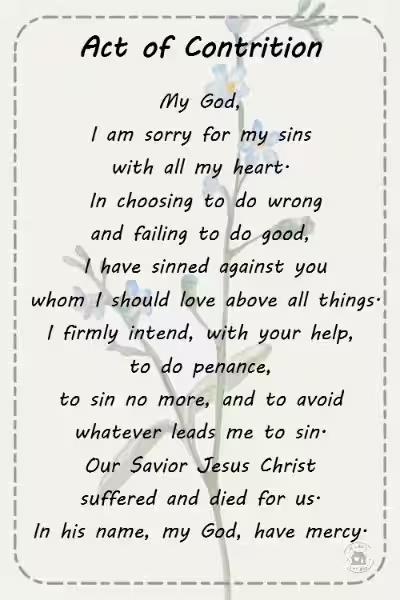
For instance, a common version begins, “O my God, I am heartily sorry for having offended Thee, and I detest all my sins because of the punishment due to them, but much more because they displease Thee, who art all good and deserving of all love.” This prayer is not merely spoken; it is meant to be felt. The repetition of such prayers, especially in moments of personal prayer or during communal worship, reinforces the commitment to a life lived in accordance with divine will.
The inclusion of the Act of Contrition in ritualistic settings provides a structured opportunity for believers to engage in this essential spiritual practice. It offers a communal affirmation of faith and repentance, allowing individuals to feel connected to a larger spiritual body. The act of praying this contrition together can amplify its power, creating a shared atmosphere of grace and seeking. This communal aspect highlights that while sin is often a personal act, repentance and forgiveness can be a shared journey.
The true power of the Act of Contrition extends far beyond the recitation of a prayer. It’s about internalizing its message and allowing its spirit to guide our daily lives. This means cultivating a constant awareness of our actions and their spiritual implications, striving for a life of virtue, and consistently turning back to God when we inevitably falter.
Living the spirit of the Act of Contrition involves more than just saying “I’m sorry.” It requires actively demonstrating that sorrow through our choices and behaviors. This could manifest as making amends for past wrongs, showing kindness and compassion to those we may have wronged, or making a conscious effort to resist temptations that have previously led us astray. It’s about a proactive commitment to spiritual growth and a continuous journey of seeking God’s favor.
Practical Steps for Cultivating Contrition
Integrating the spirit of the Act of Contrition into our daily lives can be achieved through several practical steps:
Daily Examination of Conscience: Before going to bed, take a few minutes to reflect on your day. Consider your thoughts, words, and actions. Ask yourself: Where did I fall short? Where did I succeed in living out my faith? This regular introspection helps identify areas where contrition is needed.
Regular Prayer: Make the Act of Contrition a part of your regular prayer routine, perhaps in the morning, evening, or before meals. Even a brief, heartfelt prayer of sorrow and commitment can be incredibly effective.
Seeking Guidance: If you are struggling with a particular sin or pattern of behavior, don’t hesitate to seek spiritual direction from a trusted religious leader. They can offer guidance, support, and help you understand the specific application of contrition in your life.
Practicing Forgiveness: Just as we seek forgiveness, we are called to forgive others. Extending forgiveness to those who have wronged us is a powerful way to embody the spirit of mercy and reconciliation that underlies the Act of Contrition.
Acts of Charity and Service: Counteract past negative actions with positive ones. Engaging in acts of charity, volunteering, or simply offering a helping hand to those in need can be a tangible expression of a contrite heart seeking to do good.
By actively incorporating these practices, we can move beyond simply reciting the Act of Contrition to truly living its transformative message. This ongoing effort strengthens our connection to the divine, fosters personal growth, and leads to a more fulfilling spiritual life, characterized by a deep and abiding trust in God’s boundless mercy.
Frequently Asked Questions about the Act of Contrition
What is an Act of Contrition?
An Act of Contrition is a prayer in Christianity, particularly within the Catholic tradition, that expresses sorrow for one’s sins and a firm resolve to amend one’s life. It is often recited during the Sacrament of Reconciliation (Confession) or as a private prayer.
What is the purpose of an Act of Contrition?
The primary purpose of an Act of Contrition is to demonstrate genuine regret for sins committed. It is an outward expression of an interior disposition of repentance, which is considered essential for receiving God’s forgiveness and mercy.
What are the key components of an Act of Contrition?
A typical Act of Contrition includes:
Sorrow for sins: Acknowledging and feeling regret for having offended God.
Firm purpose of amendment: A sincere intention not to sin again and to avoid the occasions of sin.
Desire for God’s grace: A recognition of the need for God’s help to overcome sin.
Trust in God’s mercy: Faith that God is merciful and willing to forgive.
Are there different versions of the Act of Contrition?
Yes, there are several traditional forms of the Act of Contrition, ranging from simple to more detailed. The most common ones are the “Short Act of Contrition” and the “Long Act of Contrition.” While the wording may vary, the essential elements of sorrow and amendment remain consistent.
When is an Act of Contrition typically recited?
An Act of Contrition is most commonly recited during the Sacrament of Reconciliation (Confession). It can also be recited as a private prayer of repentance, before receiving Holy Communion, or at any time one wishes to express sorrow for sins and seek God’s forgiveness.
Does reciting an Act of Contrition guarantee forgiveness?
Reciting an Act of Contrition is an expression of repentance, but true forgiveness comes from God’s mercy. Forgiveness in the context of the Sacrament of Reconciliation is received through the priest’s absolution, which is granted when there is genuine contrition (sorrow for sins with a purpose of amendment) and a confession of sins.
What is the relationship between an Act of Contrition and religion?
The Act of Contrition is deeply rooted in religious belief, particularly in Christianity. It reflects the religious understanding of sin as an offense against God and the importance of repentance, mercy, and reconciliation in a person’s relationship with the divine. It is a spiritual practice that aids believers in their journey of faith and moral growth.