The hushed anticipation as the congregation gathers, the gentle hum of fellowship, the scent of old wood and perhaps a hint of incense – these sensory cues signal the commencement of something deeply meaningful. At the heart of this transition, from the secular to the sacred, lies the opening prayer of a church service. It’s far more than a mere formality; it’s a deliberate act of devotion, a spiritual anchor that sets the tone for worship, reflection, and community. These initial supplications are designed to invite divine presence, to unite hearts and minds, and to prepare the gathered faithful for the encounter with the Almighty.
In a world often characterized by busyness and distraction, the opening prayer serves as a conscious turning away from the mundane. It’s a moment to shift our focus from earthly concerns to heavenly truths. Whether led by a pastor, priest, or a lay member, these prayers are communal declarations of faith, a collective breath taken before embarking on a spiritual journey together. They articulate our dependence on God, our desire for His guidance, and our willingness to be shaped by His will.
The opening prayer is not a monolithic entity; it performs several crucial functions within the architecture of a worship service. It acts as a doorway to the divine, a unifying force for the congregation, and a declarative statement of purpose. Understanding these roles can deepen our appreciation and participation in this vital moment.
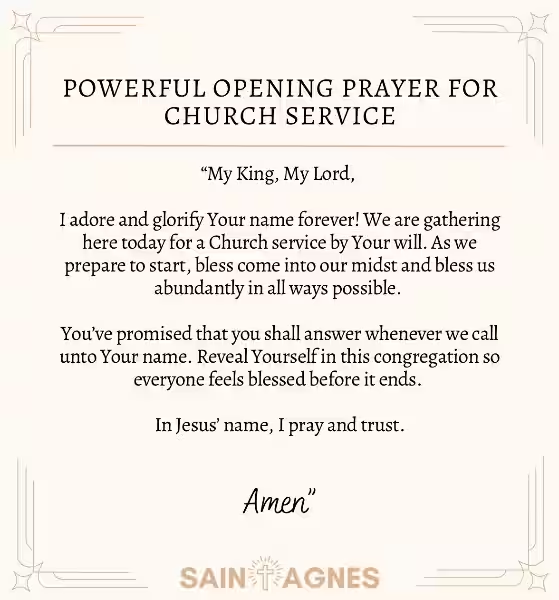
Firstly, the opening prayer is a formal invitation to God. It’s a spoken plea for His presence to be felt tangibly within the sanctuary. Think of it like preparing a sacred space in your home for a special guest; you tidy up, perhaps light a candle, and signal your readiness to receive them. Similarly, the opening prayer cleanses our hearts and minds, preparing us to receive God’s blessings and His message. This prayer might express a desire for God’s spirit to move among them, asking for clarity, wisdom, and a receptive spirit. For instance, a common sentiment expressed is, “Almighty God, we humbly ask for Your presence to be with us this day. Open our hearts and minds to Your Word, and may Your Spirit guide our worship and our fellowship. Amen.” This simple invocation is a powerful way to acknowledge God’s sovereignty and our eagerness to connect with Him.
Secondly, the opening prayer serves to unify the congregation. In diverse communities, individuals bring varied experiences, concerns, and perspectives. The opening prayer acts as a spiritual equalizer, bringing everyone to the same starting line, united in their shared faith and their common purpose for gathering. It fosters a sense of communal identity and shared spiritual endeavor. A prayer might therefore say, “Heavenly Father, as we come together from different paths, unite us in Your love. May we leave here feeling more connected to You and to one another, strengthened in our faith and renewed in our purpose. Amen.” This focus on unity reinforces the idea that the church is not just a collection of individuals, but a body of believers called to walk together.
Crafting Meaningful Supplications: Elements of a Powerful Opening Prayer
While the specific wording of an opening prayer can vary widely, certain core elements contribute to its efficacy and spiritual resonance. These components, when thoughtfully included, transform a simple recitation into a profound spiritual encounter.
One essential element is acknowledging God’s attributes. Prayers often begin by recognizing God’s power, love, wisdom, and faithfulness. This affirmation of divine character sets a posture of humility and awe. For example, a prayer might begin with, “O Great Creator, whose majesty fills the heavens and the earth, we stand in awe of Your boundless love and infinite mercy.” This is not just poetic language; it’s a conscious reminder of who God is and our place in relation to Him. It’s like remembering the immense capabilities of an expert before asking them for advice – it instills confidence and respect.
Another vital component is expressing our needs and desires. While acknowledging God, the prayer also articulates the congregation’s collective aspirations for the service and for their lives. This can include seeking guidance, strength, comfort, or a deeper understanding of God’s will. A prayer might then continue, “We pray for Your wisdom to discern Your will, for strength to overcome our challenges, and for Your peace to fill our hearts.” This is a direct and honest communication with the divine, laying bare our vulnerabilities and our hopes. It’s a crucial step in opening ourselves to receive what God has for us.
Finally, dedicating the service to God is a common and significant element. This signifies a surrender of intentions and a commitment to honor God in all that will take place. The prayer might conclude with, “We dedicate this time to Your glory, O Lord. May all that we do, say, and hear be pleasing in Your sight, and may we leave this place transformed by Your grace. Amen.” This act of dedication is a powerful declaration of allegiance, ensuring that the worship is not merely for our own benefit, but for God’s honor. It’s akin to dedicating a project to a mentor, signifying that their approval and guidance are paramount.
The Impact of Intentional Opening Prayers on the Worship Experience
When prayers to open church services are offered with sincerity and intention, their impact on the overall worship experience can be profound and far-reaching. They are not just words spoken; they are spiritual seeds sown that can blossom throughout the service and beyond.
A thoughtfully crafted opening prayer can immediately elevate the atmosphere of the sanctuary. It can shift the collective mood from casual to consecrated, from distracted to attentive. Imagine walking into a concert hall before the orchestra begins; the silence is charged with anticipation. An opening prayer does something similar for the spiritual realm, creating a sacred expectancy. This can manifest in a more engaged and focused congregation, more receptive to the sermon, the music, and the fellowship. For instance, a prayer that specifically asks for the removal of distractions can help individuals leave their worries at the door, allowing them to be fully present. “Lord, we release our anxieties and the cares of the week. Help us to be fully present in this sacred hour, attentive to Your voice and open to Your touch.” This direct appeal can be incredibly effective.
Moreover, the opening prayer can set the theological direction for the service. Depending on the themes or seasons of the church year, the prayer can highlight specific aspects of God’s character or His work in the world. For example, during Advent, the prayer might focus on hope and anticipation, while during Lent, it might emphasize repentance and sacrifice. This theological framing ensures that the congregation is prepared to receive the message of the day with a relevant spiritual lens. A prayer for a service focused on forgiveness might include, “Father, instill in us a spirit of grace and mercy. Help us to extend forgiveness as freely as You have forgiven us, that our relationships may reflect Your boundless love. Amen.” This anticipatory guidance helps the congregation align their hearts with the intended message.
Finally, the opening prayer can foster a deeper sense of spiritual connection among believers. By collectively approaching God, the congregation experiences a shared moment of vulnerability and faith. This can strengthen their bonds and their commitment to supporting one another in their spiritual journeys. It’s a communal supplication that reminds them they are not alone in their quest for God. The act of praying together, especially for specific outcomes like peace or guidance, reinforces their shared identity as a believing community. This collective reliance on God can be a powerful source of encouragement and strength, both within the service and as they return to their everyday lives.
Frequently Asked Questions: Prayers to Open Church Service
What is the purpose of a prayer to open a church service?
The primary purpose of an opening prayer is to acknowledge God’s presence, seek His guidance, and consecrate the time and gathered community for worship and spiritual growth. It sets a reverent tone and invites divine blessing upon the service.
Who typically leads the opening prayer?
The responsibility for leading the opening prayer often falls to the pastor, minister, or another designated leader within the church. In some traditions, a lay member may be invited to offer the prayer.
What are common themes or elements in an opening prayer?
Common themes include thanksgiving for the gathered community, praise for God’s attributes, a request for spiritual insight and understanding, prayers for the speaker and the message, and petitions for the needs of the congregation and the wider world.
Is there a specific format for an opening prayer?
While there isn’t a rigid, universal format, many opening prayers follow a pattern of adoration, confession (though less common in an opening prayer than a pastoral prayer), thanksgiving, and supplication. The prayer is typically addressed to God.
Can I use a pre-written prayer, or should it be extemporaneous?
Both pre-written and extemporaneous prayers are acceptable. Pre-written prayers can offer structure and eloquent language, while extemporaneous prayers can feel more personal and responsive to the immediate context. Some services may incorporate both.
What is the role of congregational participation in opening prayers?
While the prayer is usually led by one person, the congregation often signifies their agreement and participation by saying “Amen” at the end. Some churches may have responsive readings or calls to prayer that involve the congregation more directly.