The hushed anticipation before a sermon, the gentle hum of fellowship, and then, the call to gather our hearts and minds in a moment of profound connection. This is the essence of the opening church prayer, a cornerstone of religious gatherings that sets the tone for worship, reflection, and community. More than just a ritualistic utterance, this prayer is a deliberate act of opening our spirits, a conscious turning towards the divine, and a collective invitation for God’s presence to dwell among us. It’s a moment where individual religion finds its communal voice, weaving a tapestry of shared faith and hopeful aspiration.
This initial invocation is a powerful bridge, connecting the ordinary world we leave behind with the sacred space we enter. It’s a time to shed the burdens of the week, to quiet the inner chatter, and to focus our intentions on seeking spiritual guidance and grace. Whether you are a seasoned attendee or new to the pews, understanding the purpose and significance of the opening church prayer can deepen your worship experience, transforming it from passive observation to active participation in the rhythm of faith.
The opening church prayer serves a multitude of vital purposes, acting as a spiritual gateway that prepares the congregation for the service ahead. It’s not simply a formality to begin; rather, it’s a sacred intention to invite God’s presence, acknowledge His sovereignty, and align our hearts with His will. This prayer often begins with an address to God, recognizing His attributes – His love, His mercy, His power – thereby establishing a sense of awe and reverence.
Consider it akin to laying the foundation for a sturdy building. The opening church prayer provides the spiritual bedrock upon which the rest of the service will be built. It calms the mind, focuses the spirit, and unites the community in a shared purpose: to seek truth, to find comfort, and to grow in faith. During this time, we might pray for wisdom to understand the message, for courage to live out our beliefs, and for peace to permeate our hearts and our world. It’s a moment where religion is not just heard, but actively embodied.
Setting the Spiritual Tone
Every service, whether it’s a Sunday morning worship, a midweek bible study, or a special occasion, benefits immensely from an opening church prayer that intentionally sets the spiritual tone. This prayer acts as a spiritual tuning fork, harmonizing the collective consciousness of those present. It’s an opportunity for the leader, and by extension the congregation, to express humility, gratitude, and a desire for divine intervention in their lives.
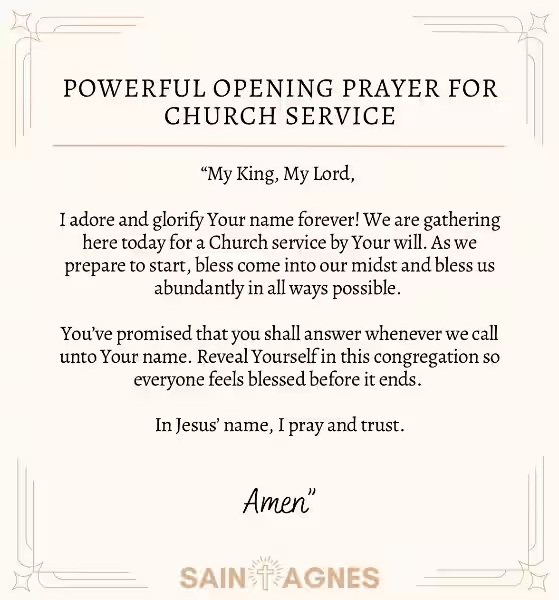
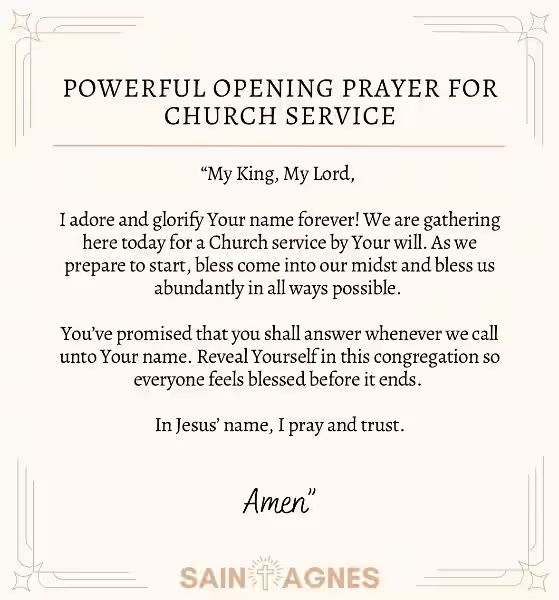
For example, an opening prayer might include phrases like, “Heavenly Father, we thank You for bringing us together in Your name. We ask for Your Holy Spirit to open our hearts and minds to Your Word today. Guide our thoughts, our words, and our actions, that all we do may bring glory to You.” This kind of intentional language immediately shifts the atmosphere, moving from the mundane to the miraculous, from the earthly to the eternal. It’s a beautiful illustration of how religion can be actively woven into the fabric of our gathering, starting with this very first prayer.
A fundamental aspect of the opening church prayer is the acknowledgment of God’s omnipresence and His desire to guide us. It’s a declaration that we are not alone in our spiritual journey, but are part of a divine plan. This acknowledgment often involves expressing thanks for past blessings, recognizing God’s faithfulness, and then humbly requesting His continued favor and direction.
Think of it as a navigator consulting a map before embarking on a journey. The opening church prayer is our spiritual navigation, seeking divine insight and assurance. We pray for clarity in understanding God’s will, for strength to overcome challenges, and for the wisdom to make choices that align with His teachings. This prayer is a powerful reminder that our religion is a dynamic, living relationship, and the opening prayer is the first step in actively engaging with that relationship for the day’s proceedings.
The Anatomy of a Meaningful Opening Prayer
While the specific words of an opening church prayer can vary greatly, there are common elements that contribute to its profound impact. Understanding these components can help individuals engage more deeply, whether they are praying silently or speaking the words aloud. It’s a structure designed to foster connection, inspire contemplation, and prepare the heart for spiritual engagement.
The beauty of these prayers lies in their ability to be both deeply personal and universally resonant. They speak to the individual soul while simultaneously binding the gathered community together in a shared expression of faith. This dual nature makes the opening church prayer a truly remarkable aspect of religious practice, a moment where religion transcends individual experience and becomes a collective offering.
Elements of a Well-Crafted Invocation
A typical opening church prayer often includes several key components, each serving a specific purpose in drawing the congregation closer to God. These elements are not rigid rules but rather guiding principles that foster a rich and meaningful spiritual experience. They create a natural flow, moving from adoration to supplication, and finally to dedication.
Here are some common elements found in effective opening church prayers:
Adoration and Thanksgiving: Beginning with praise for God’s character and acknowledging His blessings. This sets a tone of gratitude and reverence.
Confession and Repentance: Humbly admitting shortcomings and seeking forgiveness, which purifies the heart and prepares it for communion.
Supplication for Guidance and Wisdom: Asking for divine insight to understand God’s Word and apply it to one’s life.
Intercession for Others: Praying for the needs of the community, the world, and those who are suffering.
Dedication of the Service: Committing the worship, the message, and the fellowship to God’s glory.
These components, woven together, create a comprehensive opening church prayer that addresses various dimensions of our religion and our relationship with the divine.
The Role of the Leader and the Congregation
The opening church prayer is a collaborative act, even when led by a designated individual. The leader offers the words, but the congregation participates through their silent assent, their heartfelt amen, and their internal alignment with the expressed sentiments. This shared participation is what imbues the prayer with collective power and spiritual resonance.
Imagine a conductor leading an orchestra. The conductor guides the melody, but it is the combined effort of all the musicians playing in harmony that creates the beautiful music. Similarly, the leader of the opening church prayer guides the spiritual expression, and the congregation’s unified spirit amplifies its effect. This is where religion truly comes alive, in the shared breath and bowed heads of a community seeking God together.
Opening Church Prayer in Practice: Real-Life Relevance
The opening church prayer is not an abstract theological concept; it is a practical and deeply relevant part of our religious lives. It offers solace, strength, and a sense of belonging in a world that can often feel chaotic and isolating. It’s a moment where we can consciously choose to anchor ourselves in something greater than ourselves.
These prayers have the power to transcend the specific denomination or tradition they originate from, speaking to universal human needs for connection, hope, and meaning. They are a tangible expression of our religion, a way to actively engage with our faith at the very start of our communal gatherings. Whether spoken aloud or held in the quiet of one’s heart, the opening church prayer sets the stage for a meaningful spiritual encounter.
From Personal Reflection to Communal Strength
When we engage with an opening church prayer, we are often invited to reflect on our personal lives and our individual spiritual journeys. We might consider our recent struggles, our triumphs, and our ongoing quests for understanding. However, the power of this prayer lies in its ability to then transform these personal reflections into communal strength.
Consider a prayer that begins with individual needs but broadens to include the church community and beyond. For instance, “Lord, I thank You for this day and for the blessings You have bestowed upon me. Help me to be patient in my dealings with others. And Father, we lift up our brothers and sisters in this congregation, granting them peace and strength. We also pray for those who are hurting and in need around the world.” This movement from the personal to the communal is a hallmark of effective opening church prayer, demonstrating how our religion fosters empathy and collective care.
Navigating the Week Ahead with Faith
The opening church prayer serves as a powerful launching pad for the week that lies ahead. It’s a moment to imbue our upcoming days with spiritual intention, asking for divine guidance and protection. By dedicating our week to God at the outset, we are better equipped to navigate its challenges and embrace its opportunities with a sense of purpose.
Think of it as setting your GPS before a long drive. The opening church prayer helps us orient our spiritual compass for the days to come. We might pray for discernment in our decisions, for opportunities to show kindness, and for the courage to stand firm in our convictions. This proactive engagement with our faith, initiated by the opening church prayer, strengthens our resolve and reminds us that we are never walking alone. Our religion becomes a constant companion, guiding our steps even when we are not in a formal worship setting.
The opening church prayer is more than just a habitual utterance; it is an invitation to a deeper, more intentional connection with God and with our fellow believers. By understanding its purpose, its structure, and its relevance, we can move from passive participation to active engagement, allowing this sacred moment to truly enrich our spiritual lives.
Let us embrace the opening church prayer not as a mere prelude, but as a vital and dynamic part of our religion. It is a time to open our hearts, to align our spirits, and to invite the divine presence to illuminate our path. As we move through our worship services, and indeed through our lives, may this sacred start be a consistent source of strength, guidance, and profound connection.
Frequently Asked Questions: Opening Church Prayer
What is opening church prayer?
Opening church prayer is a brief period of prayer at the beginning of a church service. It’s a time to consecrate the service, focus the congregation’s hearts and minds on God, and set a spiritual tone for worship.
What is the purpose of opening church prayer?
The purpose is to invite God’s presence into the service, acknowledge His sovereignty, seek His guidance, and express gratitude. It helps congregants transition from their daily lives into a posture of worship and spiritual engagement.
What are common themes in opening church prayer?
Common themes include praise and adoration of God, confession of sins, intercession for the church and community, thanksgiving for blessings, and a petition for wisdom and spiritual insight during the service.
Who leads opening church prayer?
Typically, the pastor, a lay leader, or a designated member of the congregation will lead the opening prayer. In some traditions, the congregation may participate in a responsive prayer or a shared prayer.
Can anyone pray during opening church prayer?
While a leader usually initiates the prayer, the essence of opening prayer is a collective act of worship. Congregants are encouraged to pray silently alongside the leader, offering their own petitions and reflections to God.
Is opening church prayer the same as a benediction?
No, opening prayer occurs at the beginning of the service to set the tone, while a benediction is a blessing or prayer offered at the end of the service to send the congregation forth.
What if I don’t feel like praying during opening church prayer?
It’s understandable that sometimes it can be challenging to focus. Even if you don’t feel a strong urge to pray, you can still participate by listening attentively, reflecting on the words spoken, and holding a posture of reverence and openness to God’s presence. Your quiet presence is a form of participation.
Is it required to participate in opening church prayer?
Participation is generally encouraged as a vital part of corporate worship. However, individuals are not typically forced to pray aloud. The focus is on a shared spiritual experience, and everyone is invited to engage in a way that feels authentic and respectful.