A Catholic wedding is a profound celebration, a sacrament that marks the beginning of a lifelong covenant between two souls, blessed by God. While the exchange of vows, the exchange of rings, and the solemn pronouncements of the priest are undeniably central, there’s another, often deeply personal and spiritually resonant, element that weaves through the ceremony: the readings. These selections from Scripture aren’t mere decorations; they are sacred words that illuminate the path of marriage, offering guidance, comfort, and a profound glimpse into God’s vision for love and commitment. Understanding the significance of these readings can transform a beautiful ceremony into a truly soul-stirring experience.
For couples embarking on their journey towards matrimony, the choice of readings can feel both exciting and a little daunting. It’s an opportunity to infuse the wedding with personal meaning and to share core beliefs about love, sacrifice, and partnership with your cherished guests. Think of it as curating a playlist for your spiritual commencement, where each song is a divine message designed to resonate with the essence of your union. The Church provides a rich tapestry of options, allowing for a deeply personalized yet doctrinally sound selection. This article aims to demystify the process, offering insights into the purpose, selection, and profound impact of Scriptural readings at a Catholic wedding.
The Foundation of Faith: Why Readings Matter in a Catholic Wedding
In the Catholic tradition, marriage is not simply a social contract; it is a sacrament, a visible sign of God’s invisible grace. The readings chosen for the wedding Mass are integral to this understanding. They serve as the divine blueprint for married life, drawing from ancient wisdom that remains remarkably relevant today. These texts are not chosen at random; they are carefully selected to speak to the nature of love, fidelity, sacrifice, and the building of a Christian home. They remind the couple and the congregation that their union is grounded in God’s love and is intended to reflect Christ’s love for the Church.
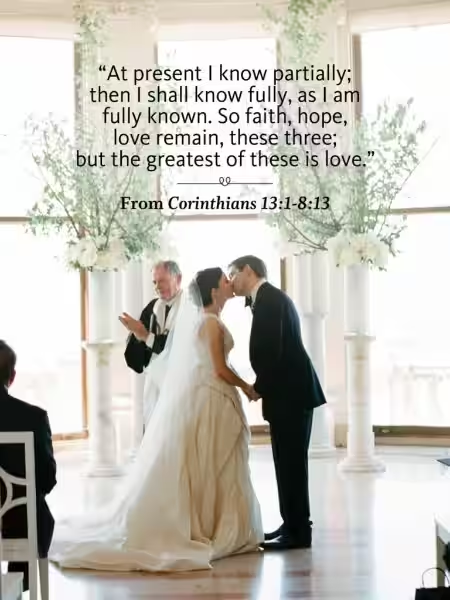
Imagine these readings as divine whispers throughout the ceremony, guiding the couple in their commitment. For instance, the well-loved passage from 1 Corinthians 13, often referred to as the “love chapter,” doesn’t just describe romantic affection; it outlines the essential qualities of Christian love: patience, kindness, humility, and perseverance. This passage, when read aloud, acts as a powerful reminder of the virtues the couple strives to embody in their married life. The readings provide a theological framework, grounding the couple’s earthly union in heavenly principles. They are a constant source of strength and inspiration long after the confetti has settled.
Illuminating Love: The Role of Scripture in Defining the Marital Covenant
The purpose of incorporating Scripture into a wedding ceremony extends far beyond tradition. It’s about invoking God’s blessing and guidance upon the union. The words of the Bible are considered God’s own communication, and by listening to them, the couple and their guests are entering into a deeper dialogue with the divine. These readings help to define the sacred nature of the marital covenant, emphasizing its permanence, its sacrificial aspect, and its potential for holiness. They provide a spiritual compass for the journey ahead, ensuring that the couple navigates the joys and challenges of married life with faith as their anchor.
Consider the profound impact of a reading like Ephesians 5:25-33, which famously states, “Husbands, love your wives, as Christ loved the church and gave himself up for her.” This passage, while challenging, offers a radical vision of marital love: a love that is selfless, sacrificial, and rooted in a profound commitment. It’s not about romantic ideals but about a deep, abiding, and active love that mirrors Christ’s own love for humanity. These readings serve as divine instruction manuals, equipping the couple with the understanding that their love is meant to be a reflection of God’s own unwavering love, a testament to its enduring power and transformative grace.
Navigating the Sacred Library: Choosing Your Wedding Readings
The selection process for Catholic wedding readings is a beautiful opportunity for personal reflection and spiritual discernment. The Church provides a comprehensive lectionary, a curated collection of Scripture passages suitable for various liturgical occasions, including weddings. Couples are generally given the freedom to choose from a range of Old Testament, New Testament, and Gospel readings, allowing them to personalize the spiritual message of their ceremony. This choice is more than just picking a favorite verse; it’s about selecting words that deeply resonate with the couple’s understanding of love, their hopes for their future, and their commitment to building a life centered on faith.
When embarking on this selection, it’s helpful to approach it as a conversation with God about your future. What virtues do you want to highlight? What messages do you want to convey to your guests about the sanctity of marriage? Consider readings that speak to mutual respect, partnership, enduring love, and the importance of faith in overcoming trials. For example, the Book of Ruth offers a beautiful narrative of loyalty, commitment, and finding a home in another person, making it a touching choice for many couples. The key is to choose passages that speak to your hearts and that you feel will offer ongoing inspiration throughout your married life.
A Symphony of Scripture: Common and Meaningful Reading Selections
While the options are vast, certain passages have become beloved staples in Catholic wedding ceremonies for their profound relevance to the sacrament of marriage. One such passage is Tobit 8:4-7, which speaks of Abraham and Sarah, and their prayer for a fertile and faithful union. It reminds us that marriage is a gift from God and that prayer is the cornerstone of a strong marriage. This reading underscores the idea that a couple’s journey is blessed and guided by divine providence.
Another deeply cherished selection is Song of Songs 2:10-14, often referred to as the “lover’s call.” This poetic passage speaks of love blossoming and the beloved calling out to their partner. It captures the joy, anticipation, and beauty of romantic love, reminding us that God delights in the flourishing of true affection between a man and a woman. When read aloud, these verses paint a vivid picture of the excitement and deep connection that marriage celebrates, making it a truly uplifting choice. The variety of readings allows couples to tailor their ceremony to reflect different facets of their love story and their spiritual aspirations.
The Practicalities and Profundity: Implementing Readings in Your Ceremony
The practical aspect of choosing readings involves collaborating with your parish priest or deacon. They will guide you through the available options and help you understand the liturgical context of each selection. It’s also customary to provide your chosen readings to the person who will be proclaiming them, whether it’s a family member, a friend, or a member of the clergy. This ensures accuracy and allows the reader to prepare themselves for the sacred task of delivering God’s word to the assembly. The goal is to have these readings delivered with clarity, reverence, and a genuine understanding of their significance.
Beyond the selection and proclamation, consider how you want to integrate these readings into the overall narrative of your wedding. Will you have a family member read a passage that holds special meaning for your relationship? Will you choose readings that complement the theme of your wedding? Think about the impact these words will have on your guests. The readings are not just for the couple; they are a shared experience of faith and love, a communal acknowledgment of God’s presence in your union. By carefully selecting and thoughtfully presenting them, you elevate your wedding ceremony from a beautiful event to a profound spiritual testament.
Making it Personal: Integrating Readings with Meaning and Intent
Many couples find joy in selecting readings that have a personal connection to their relationship. Perhaps a particular passage was present during a significant moment in your courtship, or a reading speaks to a shared value that is central to your partnership. For example, if a couple has overcome significant challenges together, a reading about perseverance and steadfastness, like Romans 8:31-35, could be incredibly meaningful. This personal touch transforms the readings from generic biblical verses into tailored pronouncements of your unique bond.
Furthermore, consider the role of the Gospel reading. This is always the most important reading of the Mass, and the selection here carries particular weight. Often, couples will choose a Gospel passage that speaks directly to the nature of love, forgiveness, and commitment as taught by Jesus. A passage like John 15:9-12, where Jesus says, “As the Father has loved me, so have I loved you; abide in my love,” offers a powerful reminder of the divine source of all true love and the importance of remaining rooted in that love within marriage. The careful consideration of each reading ensures that the entire ceremony is a cohesive and deeply spiritual celebration of your commitment.
Frequently Asked Questions: Readings at a Catholic Wedding
Who chooses the readings for a Catholic wedding?
The couple, in consultation with the priest or deacon officiating the ceremony, chooses the scripture readings. The Church provides a selection of readings appropriate for weddings, and couples can select from these options.
How many readings are typically included in a Catholic wedding ceremony?
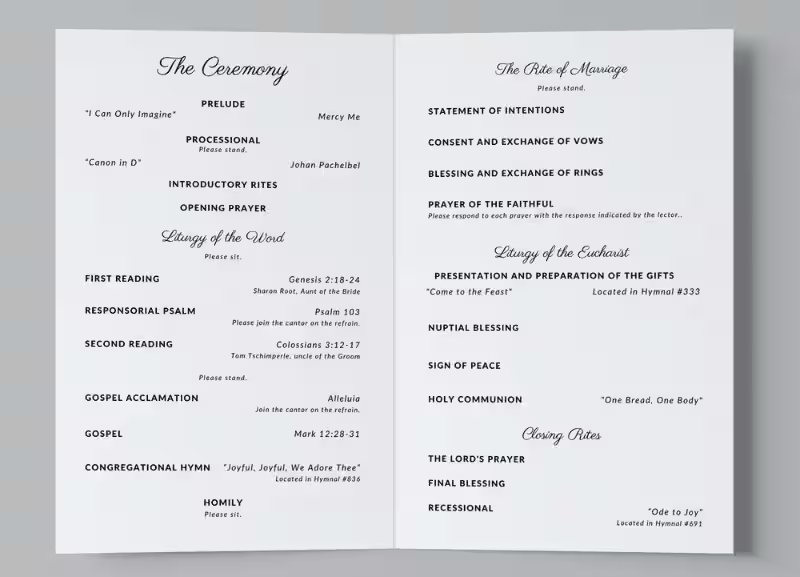
A Catholic wedding ceremony typically includes three readings: one from the Old Testament, one from the New Testament (usually a letter of St. Paul), and one from the Gospels.
Can we choose readings that are not from the Bible?
No, the readings at a Catholic wedding must be from Sacred Scripture (the Bible). The Bible is considered the inspired Word of God, and its readings are integral to the sacrament of marriage.
Where can we find the list of approved readings for Catholic weddings?
The approved readings can be found in the Roman Missal, the official book of prayers and readings for the Catholic Mass. Your priest or deacon will have access to this and can guide you through the selection process.
Can we have a family member or friend read the scriptures?
Yes, with the permission of the priest or deacon, family members or friends can be invited to proclaim the readings during the ceremony. It is a meaningful way to involve loved ones.
What is the significance of the readings in a Catholic wedding?
The readings are chosen to reflect the themes of love, commitment, sacrifice, and the covenantal nature of marriage as understood within the Catholic faith. They offer spiritual guidance and blessings for the couple’s new life together.
Are there specific themes we should consider when choosing readings?
It is common to choose readings that speak about God’s love, the nature of marriage as a sacrament, the importance of faithfulness, and the call to serve one another and God within the marriage.
Can we choose readings for a specific intention, such as for fertility or overcoming challenges?
While the overall themes of the readings focus on the sacrament of marriage, the couple can select passages that resonate with their hopes and prayers for their married life. It’s best to discuss any specific intentions with your presiding minister.
What is the difference between a Catholic wedding and a civil wedding regarding readings?
In a Catholic wedding, the readings are specifically from the Bible and are chosen to impart spiritual meaning and blessings related to the sacrament of marriage. Civil weddings may not include religious readings or may have a broader selection of texts.
Do the readings have to be in a specific translation of the Bible?
Generally, approved translations of the Bible are used. Your priest or deacon will advise on which translations are acceptable for use in the liturgy.