The iconic silhouette of Notre Dame Cathedral, even in its ongoing restoration, remains a potent symbol of Paris and a beacon of Christian faith. While its soaring architecture and storied history often dominate the narrative, the true soul of Notre Dame, in many ways, resides within its breathtaking stained glass windows. These vibrant panes of glass are not mere decorative elements; they are intricate theological texts rendered in light, sacred storytelling devices that have guided the faithful for centuries, illuminating the deep religious truths woven into the very fabric of this magnificent cathedral.
Imagine stepping inside Notre Dame before the devastating fire. The air, usually filled with the hushed reverence of prayer, would have been transformed by a celestial glow, a kaleidoscope of colors filtering through the vast expanses of glass. This isn’t accidental. The placement, composition, and imagery within each Notre Dame Cathedral stained glass window were meticulously conceived to educate, inspire, and transport the worshipper from the earthly realm to the divine. They are, in essence, visual sermons, painted with light and glass, speaking a universal language of faith and hope.
A Symphony of Light and Faith: The Theology of Notre Dame’s Stained Glass
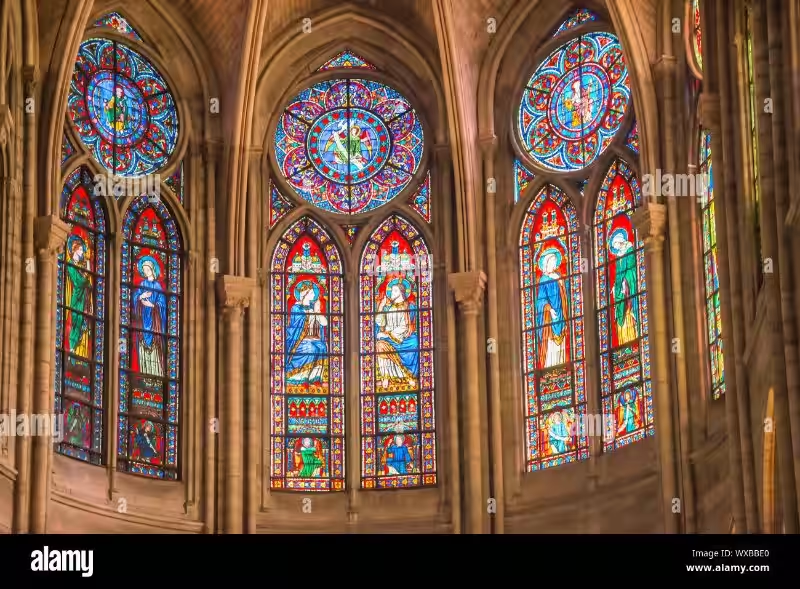
The tradition of adorning churches with stained glass is deeply rooted in Christian history, dating back to the earliest basilicas. However, Notre Dame, particularly its famed rose windows, represents a zenith of this art form. These enormous circular windows, often depicting scenes from the Old and New Testaments, are masterpieces of theological narrative. Their sheer scale and the complexity of their designs were intended to evoke awe and wonder, mirroring the grandeur of God’s creation itself. The light that passes through them isn’t just illumination; it’s seen as a divine presence, transforming the interior into a sacred space.
Consider the famous Rose Windows of Notre Dame, the North, South, and West facades. Each is a cosmic mandala, a universe of biblical figures and symbolic imagery. The West Rose, for instance, often portrays the Virgin Mary at its center, surrounded by prophets, kings, and scenes from her life. This wasn’t just a pretty picture; it was a visual catechism, teaching the faithful about salvation history, the lineage of Christ, and the central role of Mary in the divine plan. The interplay of colors – the radiant blues representing heaven, the fiery reds symbolizing Christ’s sacrifice, the rich greens of hope – all contribute to a profound spiritual experience, guiding the observer’s contemplation.
The Genesis of Divine Stories: Old and New Testament Narratives in Glass
The Notre Dame Cathedral stained glass windows are far more than abstract art; they are illuminated manuscripts of faith. Before widespread literacy, these windows served as the primary visual means of conveying biblical stories to the congregation. Each panel, each figure, each meticulously placed shard of colored glass, tells a part of the grand narrative of humanity’s relationship with God. This was particularly crucial in the medieval period when religious education was largely oral and visual, and the cathedral was the central hub of community life and learning. The windows were the ultimate teaching tools, making the scriptures accessible to everyone.
For example, a series of lancet windows might depict the lives of saints, their virtues and miracles immortalized in dazzling hues. These served as role models for believers, demonstrating how to live a life of faith and devotion. The stories of creation, the fall of man, the covenant with Noah, and the exodus of the Israelites would unfold in sequential panels, offering a visual timeline of God’s interaction with humanity. The Notre Dame Cathedral stained glass windows therefore acted as a living Bible, constantly reminding the faithful of God’s promises, His justice, and His boundless love.
Rose Windows: Celestial Mandalas of Faith
The Rose Windows of Notre Dame are arguably the most celebrated of its stained glass treasures. Their immense size and intricate tracery are a testament to the skill of medieval artisans and the profound spiritual aspirations of the era. These circular windows, often featuring a central figure of Christ or the Virgin Mary, radiate outwards like a celestial blossom, symbolizing divine order and the unfolding of God’s plan. The sheer ambition in creating such monumental artworks, entirely by hand, speaks volumes about the dedication and reverence that went into their construction.
These cosmic wheels of light are not just visually stunning; they are deeply symbolic. The geometric patterns often represent the perfection of God, while the individual figures and scenes within them tell specific theological stories. The West Rose, for instance, with its depiction of the Virgin Mary, surrounded by figures from the Old Testament, underscores her crucial role as the mother of the Messiah, the bridge between the old and new covenants. The North and South Roses, often focusing on Christ’s Passion and the Last Judgment, serve as powerful reminders of salvation and accountability, urging believers towards righteous living.
The Symbolic Language of Color and Light
Color in Notre Dame Cathedral stained glass windows is never arbitrary; it is a sacred language understood intuitively by the faithful. Each hue carries specific theological weight and evokes particular emotions and associations. The deep, luminous blues often represent the heavens, the divine realm, and the Virgin Mary’s purity. The vibrant reds are frequently linked to Christ’s blood, his sacrifice, and the fire of the Holy Spirit. Greens embody hope, renewal, and the promise of eternal life, while yellows can symbolize divine light, glory, and truth. This deliberate use of color creates a rich tapestry of meaning, enhancing the narrative and the spiritual impact of the windows.
Furthermore, the way light interacts with the glass is fundamental to the spiritual experience. Sunlight, the most natural and divine light, is transformed and amplified as it passes through the Notre Dame Cathedral stained glass. This creates an ethereal, otherworldly ambiance within the cathedral, a palpable sense of the divine presence. The flickering, ever-changing quality of the light, depending on the time of day and the weather, adds another layer of dynamism to the experience, reminding worshippers of the transient nature of earthly life and the eternal constancy of God. It’s a visual meditation, encouraging introspection and a connection to something beyond the material world.
Restoration and Resilience: Preserving a Luminous Heritage
The devastating fire of 2019 brought into sharp focus the vulnerability of these precious religious artifacts. While the structure of Notre Dame suffered immense damage, a collective sigh of relief was heard worldwide when it was confirmed that many of the Notre Dame Cathedral stained glass windows had survived the inferno, albeit with some damage. This survival is considered nothing short of a miracle and a testament to their robust construction and the efforts of those who worked to protect them. The images of soot-covered but largely intact panels offered a glimmer of hope amidst the destruction.
The ongoing restoration efforts are not just about rebuilding a cathedral; they are about preserving a profound religious and artistic heritage. The meticulous work involved in cleaning, repairing, and, where necessary, recreating sections of the Notre Dame Cathedral stained glass windows is an undertaking of immense skill and dedication. Modern techniques are being employed alongside traditional methods to ensure that the new glass is as authentic as possible, respecting the original vision while incorporating advancements in materials and conservation. This commitment to restoration ensures that these luminous narratives of faith will continue to inspire future generations, a testament to the enduring power of human artistry and divine inspiration.
The Notre Dame Cathedral stained glass windows are more than just historical artifacts; they are living testaments to faith, conduits of divine light, and storytellers of salvation. Their intricate designs, vibrant colors, and the very light that streams through them have for centuries spoken a language of devotion, hope, and divine love. As Notre Dame rises again, so too will the luminous threads of its stained glass, continuing to weave their sacred stories for all who seek solace and inspiration within its sacred walls. They are a beacon of resilience, a reminder that even in the face of destruction, the light of faith, like the light through glass, can endure and shine anew.
Notre Dame Cathedral Stained Glass Windows – FAQs
What is the religious significance of the Notre Dame stained glass windows?
The stained glass windows of Notre Dame Cathedral are deeply interwoven with Christian theology and storytelling. They serve as visual narratives of biblical events, lives of saints, and core tenets of the Catholic faith, educating and inspiring worshippers who may not have been literate. Each window is a theological statement, depicting scenes from the Old and New Testaments, the life of the Virgin Mary (to whom the cathedral is dedicated), and the history of salvation. The vibrant colors themselves are often imbued with symbolic meaning, representing concepts like divine light, purity, and the Holy Spirit.
How do the stained glass windows contribute to the worship experience?
The stained glass windows play a crucial role in creating a sacred and contemplative atmosphere within Notre Dame. The filtered light passing through them bathes the interior in a kaleidoscope of colors, evoking a sense of divine presence and transcendence. This “holy light” is considered a physical manifestation of God’s grace, transforming the physical space into a spiritual sanctuary. The windows also guide the congregation’s prayers and meditations by presenting visual focal points that reinforce the liturgy and teachings of the Church.
What are some key religious themes depicted in the stained glass windows?
Key religious themes prominently featured include:
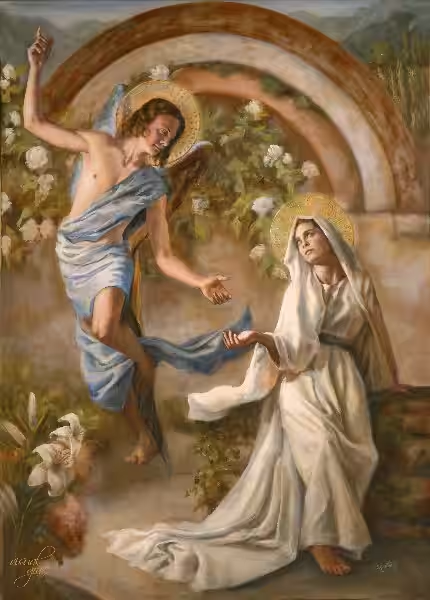
The Life of the Virgin Mary: Given the cathedral’s dedication to Notre Dame (Our Lady), windows often depict her Immaculate Conception, Annunciation, Nativity, and Assumption.
Biblical Narratives: Scenes from Genesis (Creation, Adam and Eve), the lives of patriarchs and prophets, the life, death, and resurrection of Jesus Christ, and the Acts of the Apostles are common.
Saints and Martyrs: The windows honor various saints, particularly those significant in French and Catholic history, showcasing their virtues and sacrifices.
The Last Judgment: Depictions of Christ’s second coming and the separation of the saved from the damned serve as powerful reminders of divine justice.
Symbolism of Christ: Representations of Christ as the Lamb of God, the Good Shepherd, and the King of Heaven are frequently found.
How were the stained glass windows originally intended to be understood by worshippers?
Originally, the stained glass windows served as a “Bible for the poor” or “poor man’s Bible.” In an era when literacy was not widespread, these vibrant visual stories provided a primary means of religious education. Worshippers would learn about their faith by observing the depicted scenes, understanding the order of creation, the covenant with God, the redemption offered by Christ, and the path to salvation through the lives of saints. The windows were designed to be both didactic and devotional, leading viewers to a deeper understanding and love of God.
What is the symbolic meaning of the colors used in Notre Dame’s stained glass?
While interpretations can vary, traditional symbolism associates colors in stained glass with specific religious concepts:
Blue: Often represents heaven, truth, faithfulness, and the Virgin Mary.
Red: Symbolizes Christ’s blood, the passion, love, courage, and martyrdom.
Green: Denotes hope, new life, growth, and the Holy Spirit.
Yellow/Gold: Represents divine light, glory, wisdom, and Christ’s divinity.
White: Signifies purity, innocence, and the resurrection.
Purple: Can symbolize royalty, penance, and suffering.