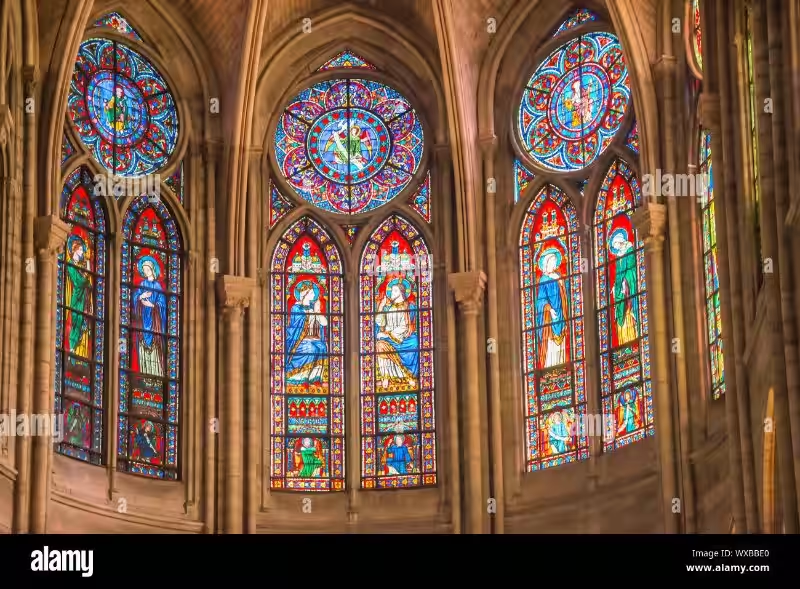
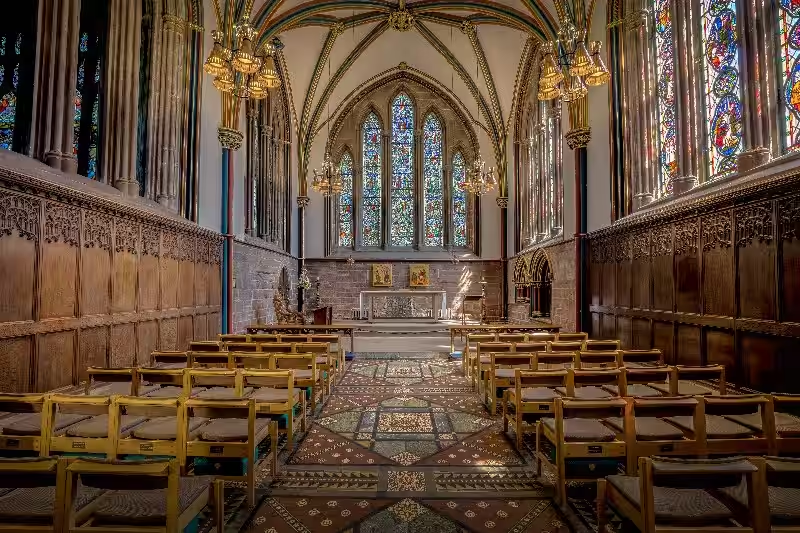
For centuries, stained glass windows have been synonymous with sacred spaces, their luminous narrative panels depicting biblical stories and guiding the faithful through visual sermons. Yet, the essence of these breathtaking artworks is far from static. As societies evolve and artistic expressions shift, so too does the language of modern stained glass windows within the realm of religion. Today, these windows are not just remnants of historical artistry; they are vibrant, dynamic statements that engage contemporary congregations, reflecting their evolving understanding of faith, community, and the divine.
The allure of stained glass lies in its ability to transform light into something tangible, something spiritual. Historically, this was achieved through rich jewel tones and intricate figurative representations, serving as visual catechisms for populations with varying literacy rates. While traditional craftsmanship remains highly valued, the contemporary interpretation of modern stained glass windows in religion embraces a broader spectrum of artistic styles, materials, and conceptual approaches, offering a fresh perspective on age-old spiritual truths.
One of the most striking shifts in modern stained glass windows for religion is the move towards abstraction. Gone are the days when every pane had to tell a literal story with recognizable figures. Instead, contemporary artists are exploring abstract forms, patterns, and color palettes to evoke spiritual feelings and concepts. This approach allows for a more personal and introspective experience for the viewer, inviting them to connect with the divine on an emotional and intuitive level, rather than being solely guided by a pre-determined narrative.
Think of a traditional depiction of the Last Supper, with its clear figures and setting. Now, imagine a modern stained glass window that uses flowing lines of deep blues and purples, punctuated by bursts of golden light, to represent the profound mystery and cosmic significance of that event. This abstract approach doesn’t diminish the religious message; rather, it amplifies it by tapping into universal emotions and ideas associated with faith, such as hope, peace, transcendence, and the boundless nature of God. The use of carefully chosen colors and the interplay of light and shadow become the primary vehicles for conveying spiritual meaning, making each viewing a unique and deeply personal encounter.
Contemporary Materials and Techniques: A New Palette for the Sacred
The evolution of modern stained glass windows is also deeply intertwined with advancements in materials and techniques. Artists are no longer limited to traditional leaded glass. They are experimenting with fused glass, slumped glass, sandblasted glass, and even incorporating textural elements and digital printing to achieve unprecedented visual effects. This expansion of the artistic toolkit allows for greater flexibility in design, from subtle translucency to bold, three-dimensional installations that challenge conventional notions of what a window can be.
Consider the difference between the thick, uneven glass of medieval cathedrals and the sleek, precisely cut panels often seen in contemporary designs. Modern techniques enable artists to utilize a much wider range of glass types, including iridescent finishes, opal glass, and even recycled glass, each offering unique qualities of light diffusion and color saturation. This allows for dynamic interplay between transparency and opacity, creating windows that can shift their appearance throughout the day, mirroring the ever-changing nature of spiritual experience and the flow of divine presence.
Bridging Tradition and Innovation: Harmonizing the Past and Present
Many established religious institutions are embracing modern stained glass windows not as a replacement for their historical treasures, but as a complementary addition that speaks to their evolving community. This can manifest in various ways, from incorporating contemporary designs into existing structures to commissioning entirely new artworks for renovated or newly built spaces. The goal is often to create a dialogue between the past and the present, honoring tradition while making the sacred space relevant and resonant for a new generation.
For example, a historic church might commission a modern stained glass window for a side chapel that uses a more minimalist aesthetic and a palette of cool blues and greens to represent the concept of divine peace. This new window, while stylistically different, would be placed in a way that complements the existing ornate windows, creating a harmonious blend of artistic eras. This approach allows the stained glass window modern to extend its narrative, fostering a sense of continuity and spiritual growth that embraces both historical foundations and contemporary understanding.
Symbolism Reimagined: New Languages for Ancient Truths
The symbolism within modern stained glass windows for religion has also broadened. While traditional iconography remains relevant, artists are increasingly drawing inspiration from contemporary culture, science, and even abstract spiritual concepts. This allows for a richer and more nuanced visual vocabulary, capable of expressing the multifaceted nature of faith in the 21st century. Symbols can be more subtle, layered, and open to interpretation, inviting congregants to engage in their own theological exploration.
Imagine a modern stained glass window that doesn’t depict a dove, but instead uses a swirling vortex of white and silver to represent the Holy Spirit’s omnipresence and guiding force. Or consider a design that incorporates geometric patterns to symbolize the order and interconnectedness of the universe, reflecting a scientific understanding of creation that coexists with spiritual awe. These reimagined symbols, executed with precision cutting and innovative glass treatments, speak to a faith that is both deeply rooted and intellectually engaged.
Community and Inclusion: Windows for All
A significant aspect of modern stained glass windows in religion today is their potential to foster a sense of community and inclusion. Artists are exploring themes that resonate with diverse congregations, moving beyond exclusively biblical narratives to embrace universal values such as love, compassion, justice, and environmental stewardship. These windows can become powerful visual affirmations of the welcoming and expansive nature of faith, inviting everyone to find their place within the sacred space.
Consider a modern stained glass window in a community center or a chapel that features a mosaic of diverse hands reaching upwards, bathed in a spectrum of warm, inviting colors. This simple yet profound image speaks to unity, collaboration, and the collective journey of faith. The use of varied textures and light-filtering properties in the glass can further enhance this sense of inclusivity, ensuring that the window is not just visually striking but also emotionally resonant and symbolically rich for all who behold it.
The Future of Light in Sacred Spaces
The journey of stained glass windows in religion is a testament to the enduring human need to connect with the divine through art and light. As we move forward, we can expect modern stained glass windows to continue pushing boundaries, offering innovative designs that are both aesthetically compelling and spiritually profound. These evolving sacred canvases will undoubtedly play a vital role in shaping the religious experiences of future generations, illuminating their faith with a fresh and inspiring radiance.
The ongoing integration of modern stained glass windows into religious architecture signifies a dynamic and evolving relationship between art, faith, and society. These luminous artworks are no longer confined to historical narratives; they are becoming an integral part of contemporary worship, offering new ways to experience the sacred and to express the timeless truths of religion in a language that resonates with the modern soul.
Frequently Asked Questions: Modern Stained Glass & Religion
What is modern stained glass?
Modern stained glass, in the context of religious art, moves beyond traditional biblical scenes. It often features abstract designs, geometric patterns, symbolic representations rather than literal depictions, and utilizes a wider palette of colors and textures. The emphasis is on light, color, and atmosphere to evoke spiritual feelings.
How does modern stained glass relate to religious themes?
While not always depicting explicit religious narratives, modern stained glass can convey religious themes through symbolism, color theory, and abstract forms. For example, blues might represent divinity, reds passion, and geometric patterns can symbolize order or eternity. The overall effect aims to inspire contemplation and connection to the divine.
Are modern stained glass windows still used in churches and religious buildings?
Yes, absolutely. Many contemporary places of worship and existing religious buildings are commissioning modern stained glass designs. They offer a fresh aesthetic that can resonate with a modern congregation while still serving the sacred purpose of enhancing spiritual experience through light and color.
Can modern stained glass be used for non-Christian religions?
Certainly. The principles of using light, color, and abstract design to evoke spiritual feelings are universal. Modern stained glass can be adapted to incorporate symbols, colors, and motifs relevant to various faiths, including Judaism, Islam, Buddhism, and others, creating sacred spaces that are both contemporary and spiritually resonant.
What are the benefits of using modern stained glass in a religious setting?
Modern stained glass can create a more dynamic and engaging spiritual environment. It can offer a fresh perspective on faith, appeal to a broader audience, and contribute to a unique architectural identity for a religious building. The play of light and color can foster a sense of awe and serenity.