Religion, in its most profound sense, is about connecting with something larger than ourselves. It’s about tradition, community, and the tangible expression of the divine. Within this rich tapestry of faith, liturgical fabrics play a crucial yet often understated role. These are not just decorative cloths; they are sacred garments, vestments, and hangings imbued with symbolism, history, and deep spiritual significance. From the majestic robes of a priest to the humble altar cloths, these textiles are silent witnesses to centuries of prayer, ritual, and devotion, transforming ordinary spaces into sacred arenas.
Think about your favorite comfortable sweater. It’s soft, familiar, and brings a sense of peace. Now imagine that feeling amplified, woven into the very fabric of religious observance. Liturgical fabrics aim to evoke a similar sense of reverence and awe. They are carefully chosen, intricately designed, and meticulously crafted to enhance the worshipper’s experience, guiding their focus towards the divine and reinforcing the sacred nature of the occasion. Understanding these materials offers a unique window into the heart of various religious traditions.
The Language of Cloth: Symbolism in Liturgical Textiles
Every thread, every color, every pattern in liturgical fabrics speaks a language of its own. These textiles are not chosen by chance; they are deliberate choices designed to communicate theological concepts, commemorate significant events, or signify the wearer’s role. The symbolism embedded within these fabrics can be incredibly nuanced, often drawing from ancient traditions and scriptural narratives. This visual language helps to make abstract spiritual truths more relatable and accessible to the faithful.
Consider the vibrant red often used during Pentecost in many Christian traditions. This color doesn’t just look striking; it symbolizes the fire of the Holy Spirit that descended upon the apostles. Similarly, the pure white of Easter vestments represents purity, resurrection, and new life. These are not mere aesthetic preferences; they are visual catechisms, teaching and reinforcing core beliefs through the tactile and visual experience of worship. The careful selection of these sacred textiles is a fundamental aspect of religious expression.
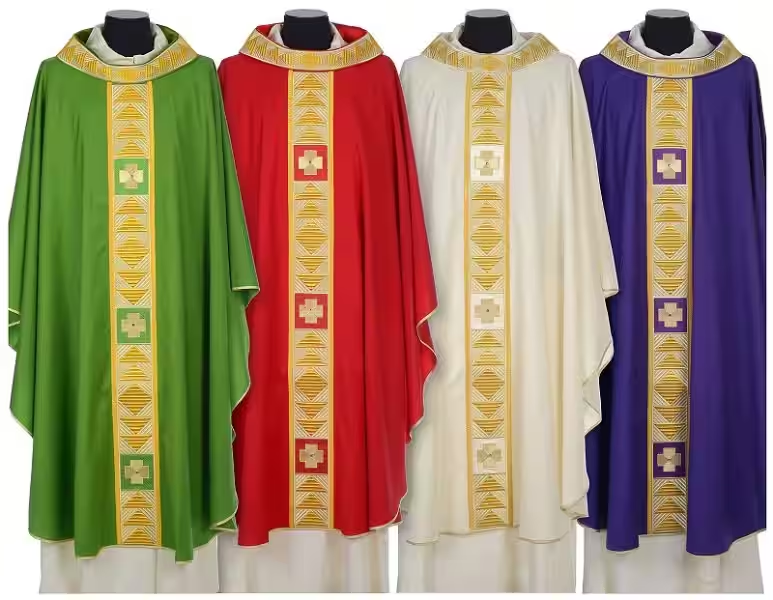
Perhaps the most visible application of liturgical fabrics is in the vestments worn by clergy and ministers. These are not simply fancy outfits but sacred apparel that distinguish the wearer and signify their consecrated office. Each piece of a vestment, from the amice to the chasuble, carries its own history and symbolic meaning, often representing spiritual armor or a mantle of authority and service. The materials and embellishments used in these garments are carefully considered for their theological resonance.
For instance, the chasuble, the outermost garment worn by priests and bishops, often features rich embroidery depicting biblical scenes or symbols. The cope, a semicircular cloak, is used for processions and blessings, its ornate design conveying solemnity and dignity. Even the simpler alb, a long white robe, signifies purity and baptismal innocence. The choice of fabric, whether it’s silk for its sheen and grandeur, linen for its purity and connection to ancient times, or velvet for its richness, all contribute to the overall message of the vestment. These sacred garments are designed to elevate the wearer as they lead the congregation in worship.
Altar Cloths and Hangings: Dressing the Sacred Space
Beyond the clergy’s attire, liturgical fabrics are vital in transforming the entire worship space into a sacred environment. Altar cloths, in particular, are central to this transformation. They cover the altar, the focal point of many religious services, and their presence signifies the holiness of the table upon which sacred rites are performed. The richness and purity of these textiles directly contribute to the reverence of the space.
Think of the pall, a stiff square cloth that covers the chalice, often embroidered with a cross. This humble yet significant textile reminds us of Christ’s burial shroud. Similarly, paraments – decorative cloths that adorn the altar, pulpit, and lectern – change with the liturgical seasons. Advent’s deep blues or purples evoke anticipation and penitence, while Lent’s somber hues and Easter’s radiant whites and golds visually guide the community through the spiritual journey of the year. The design and fabric of these altar cloths and hangings are fundamental to creating a conducive atmosphere for prayer and contemplation.
The creation of liturgical fabrics is often an art form in itself, a blend of skilled craftsmanship and deep faith. Whether it’s the intricate embroidery of a bishop’s mitre or the simple elegance of a communion cloth, these textiles are made with intention and prayer. The hands that weave, stitch, and dye these materials are often engaged in a form of devotion, contributing to the spiritual life of the community through their work.
Many liturgical fabrics are made from natural fibers like silk, linen, and cotton, chosen for their purity, durability, and ability to hold vibrant dyes. Silk, with its lustrous sheen, is often reserved for more festive occasions, symbolizing royalty and divine glory. Linen, historically associated with purity and the burial shrouds of Christ, is frequently used for simpler, more solemn occasions. The embroidery and embellishments can range from simple crosses to elaborate scenes from scripture, each meticulously added to enhance the fabric’s sacred purpose. The dedication involved in crafting these sacred textiles is as much a part of their sanctity as their intended use.
The Continuing Relevance of Liturgical Fabrics
In a world increasingly dominated by the digital and ephemeral, the enduring presence of liturgical fabrics offers a grounding and tangible connection to tradition and faith. They are a visual and tactile affirmation of sacred beliefs, serving as constant reminders of the divine presence in our lives. The stories woven into their threads continue to inspire and uplift generations of worshippers.
These textiles are more than just historical artifacts; they are living elements of worship, actively participating in the spiritual experience. The beauty and care invested in liturgical fabrics reflect a deep respect for the sacred and a desire to honor God through all aspects of religious practice. As we encounter these materials in our places of worship, we are invited to engage with a rich heritage and to appreciate the profound meaning that these sacred textiles continue to impart.
Frequently Asked Questions about Liturgical Fabrics
What are liturgical fabrics?
Liturgical fabrics are special textiles used in religious ceremonies and services. They are often chosen for their symbolic meaning, beauty, and durability, and are used to create vestments, altar cloths, banners, and other items for sacred spaces.
What is the religious significance of liturgical fabrics?
The colors and designs of liturgical fabrics often hold deep religious significance, representing different seasons, feasts, or theological concepts within a faith tradition. For example, in Christianity, white often symbolizes purity and joy, while purple can represent penance and preparation. The materials and craftsmanship can also reflect reverence and honor towards the divine.
What types of fabrics are commonly used for liturgical purposes?
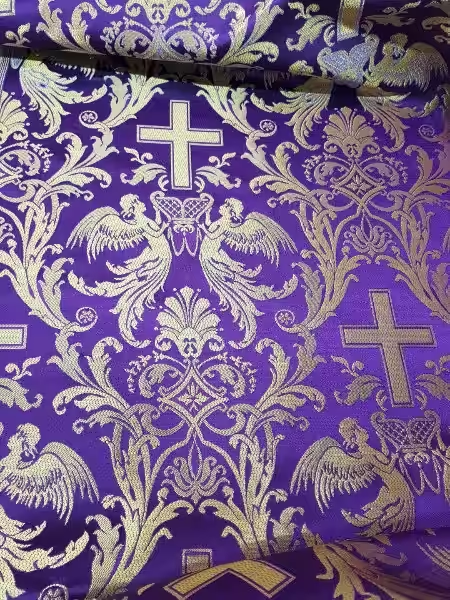
Commonly used fabrics include silk, linen, cotton, and brocade. Silk is often favored for its richness and beauty, while linen and cotton are valued for their purity and natural qualities. Brocade, with its woven-in patterns, adds an element of opulence and symbolic imagery.
Are there specific rules or traditions regarding the use of liturgical fabrics?
Yes, many religious traditions have specific rules and traditions governing the use of liturgical fabrics. These can dictate the colors to be used during different times of the church year, the types of fabrics appropriate for certain ceremonies, and even the symbolism of particular patterns or embellishments.
How do liturgical fabrics differ from everyday clothing fabrics?
Liturgical fabrics are typically made with a higher quality of material and craftsmanship, often featuring intricate designs, metallic threads, or specific weaves that are not common in everyday clothing. They are intended to be sacred and symbolic objects, rather than purely functional garments or textiles.
Can liturgical fabrics be made from synthetic materials?
While natural fibers like silk, linen, and cotton have historically been preferred for their purity and symbolic resonance, some modern liturgical garments and altar cloths may incorporate high-quality synthetic blends for durability or specific aesthetic effects. However, the tradition generally favors natural fibers.