The Sacred Spaces of Tomorrow: Reimagining Worship Environments
The concept of “design church” is no longer a fringe idea but a growing movement that recognizes the profound impact physical and digital spaces have on our spiritual lives. For centuries, religious architecture followed established traditions, creating awe-inspiring cathedrals and humble chapels. However, as society shifts and our understanding of human experience deepens, so too does the need to re-evaluate how we design for religion. This isn’t about abandoning tradition, but about infusing it with intentionality and relevance for contemporary communities.
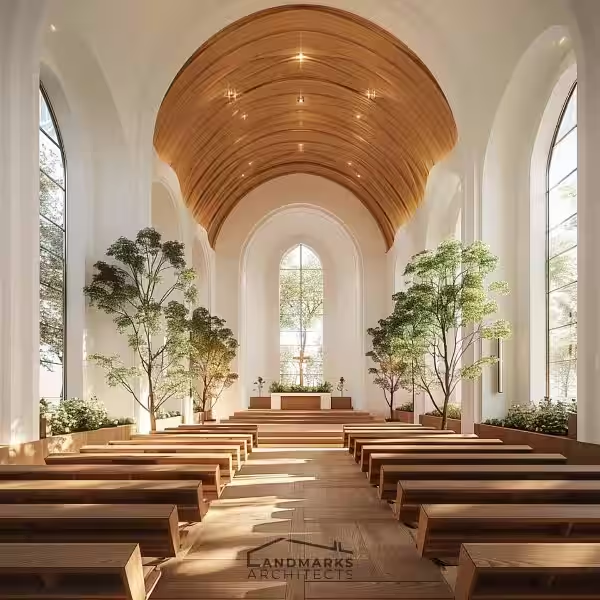
When we speak of a “design church,” we’re not just talking about aesthetics. It’s about a holistic approach that considers functionality, accessibility, community building, and spiritual resonance. Imagine a modern spiritual hub that seamlessly blends natural light, comfortable seating, and flexible spaces that can adapt for everything from a boisterous youth group to a quiet meditation session. This is the promise of a thoughtfully designed church, one that actively enhances the worship experience rather than merely housing it. It’s about creating environments where people feel welcome, seen, and inspired to connect with something greater than themselves.
Beyond Bricks and Mortar: The Digital Design Church
The influence of design extends far beyond the physical walls of a building. In today’s interconnected world, the “digital design church” is becoming increasingly vital. This encompasses everything from user-friendly websites that offer sermons and resources to engaging social media presences and immersive online worship experiences. The goal is to create a consistent and meaningful digital footprint that reflects the values and mission of the religious community.
Think about how a well-designed app can allow congregants to easily access prayer requests, manage donations, or even participate in virtual Bible studies. This digital dimension of the “design church” empowers individuals to engage with their faith on their own terms and on their own schedule. Furthermore, it allows religious organizations to extend their reach beyond geographical limitations, connecting with individuals who may not be able to attend in-person services. This thoughtful integration of technology and design is crucial for staying relevant and accessible in the 21st century.
Creating Inclusive Havens: Universal Design in Religious Spaces
A truly impactful “design church” prioritizes inclusivity and accessibility for all. This means embracing the principles of universal design, ensuring that spaces are usable by people of all ages, abilities, and backgrounds without the need for adaptation or specialized design. This approach goes beyond simply ramps and accessible restrooms; it’s about creating environments where everyone feels a sense of belonging from the moment they arrive.
Consider the subtle yet significant design choices that can make a difference. Ample natural light can be uplifting for everyone, while also being beneficial for those with visual impairments. Clear signage, varied seating options that accommodate different physical needs, and sensory-friendly spaces for individuals with autism or sensory processing issues are all part of a comprehensive “design church” strategy. This commitment to universal design demonstrates a profound respect for human dignity and a dedication to creating a truly welcoming spiritual home for the entire community.
The Power of Atmosphere: Sensory Design and Spiritual Connection
The sensory experience within a religious space plays a crucial role in fostering spiritual connection. A “design church” understands that sight, sound, smell, and touch can all contribute to a profound worship experience. This isn’t about overwhelming the senses, but about using them intentionally to create an atmosphere conducive to reflection, contemplation, and communal worship.
Imagine the effect of carefully curated lighting that transitions from bright and energizing during active praise to soft and subdued during moments of prayer. Consider the acoustics that ensure clear sermon delivery while also allowing for the rich resonance of music. Even subtle elements like the scent of incense or the feel of natural materials like wood and stone can evoke feelings of peace and transcendence. This mindful approach to sensory design within the “design church” aims to deepen the emotional and spiritual engagement of every individual.
Community-Centric Design: Fostering Connection and Belonging
At its heart, a “design church” is deeply concerned with fostering community and a sense of belonging. The physical and digital spaces are designed to actively encourage interaction, fellowship, and mutual support. This goes beyond simply providing seating; it’s about creating opportunities for genuine human connection.
Think about the design of fellowship halls that encourage spontaneous conversation, or dedicated spaces for children and youth that are both engaging and safe. In the digital realm, this might translate to well-moderated online forums or virtual small groups that allow for deeper connection. The ultimate goal of this community-centric design is to build a vibrant and supportive network where individuals feel valued, supported, and connected to one another and to their shared faith journey.
Beyond Tradition: Embracing Innovation in Religious Design
The evolution of the “design church” also involves a willingness to embrace innovation and explore new possibilities. This doesn’t mean discarding the wisdom of the past, but rather finding creative ways to adapt and evolve. Religious institutions are increasingly looking to innovative architectural solutions, sustainable practices, and cutting-edge technology to create spaces that are both timeless and forward-thinking.
Examples of this innovation can be seen in churches that incorporate flexible, multi-purpose spaces that can be reconfigured for different needs, or those that utilize sustainable materials and energy-efficient systems, reflecting a commitment to stewardship of the earth. The digital sphere sees innovation in interactive worship platforms, personalized spiritual content delivery, and augmented reality experiences that can bring biblical stories to life. This spirit of creative exploration and adaptation is what keeps the “design church” dynamic and relevant for future generations.
In conclusion, the “design church” is not merely a trend; it’s a fundamental shift in how we approach religious spaces and experiences. By prioritizing thoughtful design, inclusivity, and community, religious institutions can create environments that are not only beautiful and functional but also deeply conducive to spiritual growth and connection. Whether in the physical sanctuary or the digital realm, the power of design is transforming the landscape of religion, making faith more accessible, engaging, and meaningful for everyone.
Frequently Asked Questions about Design and Religion
What is “Design Church”?
“Design Church” is a term used to describe a contemporary approach to church architecture and interior design that prioritizes aesthetic appeal, functionality, and a welcoming atmosphere. It often moves away from traditional, ornate religious structures towards more modern, minimalist, or unconventional spaces that reflect contemporary design principles and the evolving needs of congregations.
How does design influence the religious experience?
Design plays a significant role in shaping the religious experience by creating an environment that can evoke emotions, foster a sense of community, and enhance spiritual engagement. Thoughtful design can make a space feel sacred, inspiring, and conducive to reflection and worship. Conversely, poor design can be distracting or alienating.
What are common design elements in modern religious spaces?
Modern religious spaces often incorporate elements such as natural light, minimalist aesthetics, flexible seating arrangements, integrated technology, and a focus on creating a sense of openness and inclusivity. There’s also a growing trend towards using sustainable materials and incorporating art that is both spiritually meaningful and visually appealing.
How do different religions approach church design?
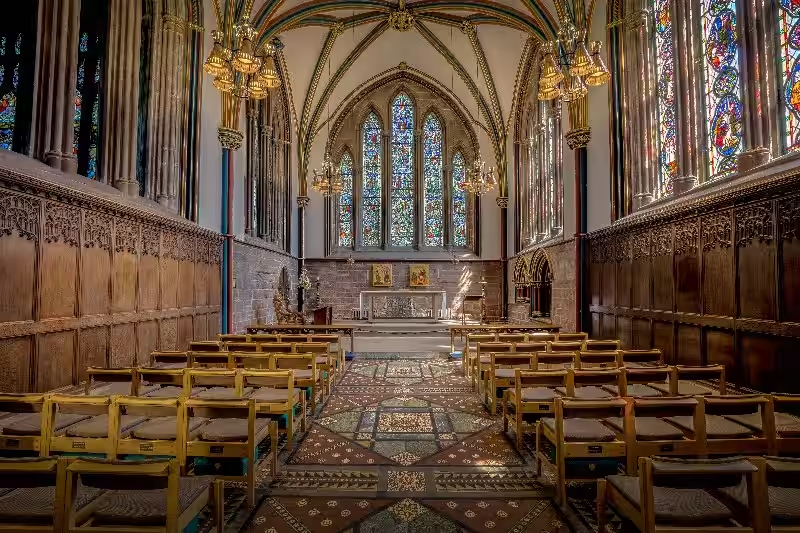
While the term “Design Church” is often associated with Christian contexts, the principles of thoughtful design are relevant across all religions. Different faiths have distinct traditions and theological considerations that inform their architectural styles. For example, mosques emphasize geometric patterns and calligraphy, while temples might focus on vibrant colors and intricate iconography. The core aim, however, is to create a space that honors the divine and facilitates religious practice.
Is “Design Church” about making religion more secular?
Not necessarily. “Design Church” is more about making religious spaces relevant and accessible to contemporary society. It seeks to create environments that are inviting and engaging for both long-time adherents and newcomers, without compromising the spiritual purpose of the space. It’s about finding ways to express faith through thoughtful and beautiful design in a modern context.