The act of offering help is as old as humanity itself, deeply ingrained in the spiritual fabric of countless religions. For centuries, faith communities have been at the forefront of humanitarian aid, driven by a profound belief in the inherent dignity of every person and a call to love one’s neighbor. This foundational principle often translates into tangible acts of service, addressing not just spiritual needs but also the fundamental necessities of life. One such powerful and practical expression of this faith-driven compassion is the Church World Service hygiene kit. These kits, seemingly simple in their contents, represent a profound commitment to restoring dignity, promoting health, and offering a beacon of hope to those facing unimaginable hardship.
This article will explore the vital role of Church World Service hygiene kits within the broader context of religious humanitarianism. We’ll delve into why these kits are so crucial, the impact they have on individuals and communities, and how they embody the core tenets of many faiths. We will also look at the practicalities of these kits and how ordinary individuals, inspired by their faith, can contribute to this life-saving work.
The Unseen Struggle: Dignity in the Face of Crisis
Imagine a life where the most basic elements of personal care are a luxury, a constant source of worry and shame. This is the reality for millions around the globe, displaced by natural disasters, conflict, or extreme poverty. In these devastating circumstances, the loss of home, livelihood, and security often leads to the loss of something equally precious: dignity. Without access to clean water, soap, or essential personal care items, maintaining basic hygiene becomes an immense challenge, leading to increased health risks and a profound sense of being forgotten.
This is where the Church World Service hygiene kit becomes more than just a collection of items; it becomes a symbol of care and a tangible reminder that someone, somewhere, acknowledges their struggle and offers a helping hand. The contents of these kits are meticulously chosen to address the most immediate and critical needs in post-disaster or displacement situations. They are designed to empower individuals to care for themselves and their families, even when everything else has been stripped away.
What’s Inside a Church World Service Hygiene Kit?
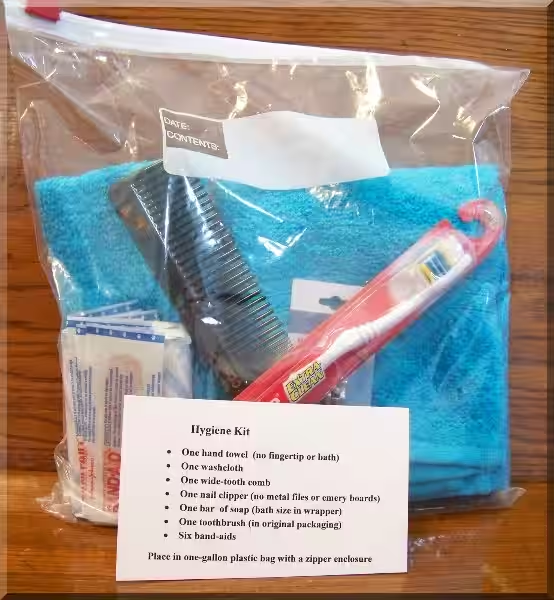
The carefully curated contents of a Church World Service hygiene kit are a testament to thoughtful planning and a deep understanding of the challenges faced by recipients. These kits are not random assortments; each item serves a specific and vital purpose in promoting health and restoring a sense of normalcy. The goal is to provide the essential tools for cleanliness and personal care, enabling individuals to protect themselves from illness and maintain their self-respect.
Typically, a Church World Service hygiene kit includes items such as:
Soap: This is perhaps the most crucial item, forming the bedrock of hygiene. Bar soap is preferred for its durability and ease of use, and it’s essential for preventing the spread of disease.
Toothbrush and toothpaste: Maintaining oral hygiene is vital for overall health and can significantly impact a person’s sense of well-being.
Comb: A simple comb can make a significant difference in personal grooming and comfort.
Nail clippers: Keeping nails clean and trimmed helps prevent the accumulation of dirt and potential infections.
Washcloth: This provides a means to use soap and water effectively for cleaning the body.
Sanitary napkins (for women and girls): This is a critical component, addressing a specific and often overlooked need that can impact a girl’s ability to attend school or a woman’s ability to participate in community life with dignity.
A sturdy plastic bag: This allows for the safe storage and transport of the kit’s contents.
Each item represents a deliberate choice to address a fundamental human need, transforming a basic necessity into a tool of empowerment.
More Than Just Soap: Restoring Dignity and Self-Respect
The impact of a Church World Service hygiene kit extends far beyond the physical act of cleaning. For a child who has lost everything, receiving a toothbrush and toothpaste can be a small but significant step towards reclaiming a sense of routine and normalcy. For a woman or girl, having access to sanitary napkins can mean the difference between being able to cautiously re-engage with their community or being forced into isolation and shame. These seemingly small provisions are powerful affirmations of worth.
When people are forced to flee their homes, often with little more than the clothes on their backs, the ability to maintain personal hygiene is one of the first things to be lost. This can lead to a profound sense of vulnerability and a feeling of being dehumanized. The Church World Service hygiene kit offers a tangible lifeline, providing the means to feel clean, healthy, and, most importantly, human again. It is a silent, yet profound, message of solidarity and care.
Religion as a Catalyst for Compassion: The Faith-Based Imperative
The impulse to help the vulnerable is a cornerstone of virtually every major religion. Whether it’s the Christian mandate to “love your neighbor as yourself,” the Islamic principle of Zakat (charity), the Jewish concept of Tzedakah (justice and righteousness), or the Buddhist emphasis on compassion (Karuna), faith traditions consistently call their adherents to action on behalf of those in need. This spiritual imperative finds a powerful expression in humanitarian efforts like the distribution of Church World Service hygiene kits.
These initiatives are not merely secular acts of charity; they are deeply rooted in the theological understanding that all people are created in the image of God or possess an inherent spiritual essence. Therefore, caring for the physical well-being of another is seen as a sacred duty, a way of honoring that divine spark within them. The Church World Service hygiene kit is a practical manifestation of this profound theological commitment to human dignity.
The Golden Rule in Action: Practical Application of Faith
The Golden Rule, a principle found in many faiths – “Do unto others as you would have them do unto you” – is the driving force behind the creation and distribution of Church World Service hygiene kits. Consider the relief and comfort one would feel if, after a devastating event, they were handed a kit containing the essentials for cleanliness. This empathy fuels the desire to provide that same comfort to others.
From a Christian perspective, the parable of the Good Samaritan highlights the importance of extending compassion beyond one’s own group, offering aid to anyone in need, regardless of their background. Church World Service hygiene kits embody this spirit of universal love and service. Similarly, Islamic teachings strongly emphasize the responsibility of the wealthy to support the poor and needy, making the provision of basic necessities a religious obligation.
Building Bridges of Hope: Inter-Generational and Inter-Religious Impact
The work of organizations like Church World Service transcends denominational lines, bringing together people of various faith backgrounds to achieve a common goal. This collaboration is a beautiful testament to the unifying power of compassion. When congregations organize hygiene kit packing events, they are not just assembling supplies; they are actively participating in an act of shared faith and service.
This interfaith cooperation strengthens communities and builds bridges of understanding. It demonstrates that while theological interpretations may differ, the fundamental call to alleviate suffering and uphold human dignity is a universal language spoken by all compassionate hearts. The Church World Service hygiene kit becomes a symbol of this shared humanity and a practical tool for fostering unity.
The Ripple Effect: Impacting Lives and Futures
The distribution of Church World Service hygiene kits has a profound and far-reaching impact that extends well beyond the immediate relief they provide. By addressing basic health needs, these kits contribute to overall well-being, reduce the incidence of preventable diseases, and allow individuals to focus on rebuilding their lives. This is not just about immediate survival; it’s about laying the groundwork for a more stable and hopeful future.
When people are healthy and have their basic needs met, they are better equipped to participate in recovery efforts, access education, and contribute to their communities. The Church World Service hygiene kit is an investment in human potential, a way of saying, “We see you, we care about you, and we believe in your ability to overcome this.”
Preventing Disease, Restoring Health
In disaster-stricken areas or refugee camps, where sanitation infrastructure is often compromised, the risk of waterborne diseases and infections is extremely high. The simple act of washing hands with soap, facilitated by the inclusion of soap in a Church World Service hygiene kit, can significantly interrupt the transmission of these dangerous illnesses. This directly contributes to public health and well-being.
Furthermore, for women and girls, access to sanitary napkins is not just a matter of comfort; it’s a matter of health and dignity. Without them, they may be forced to use unhygienic alternatives, leading to infections and health complications. Providing these essentials through Church World Service hygiene kits is a critical step in protecting the health of vulnerable populations.
Empowering Education and Economic Opportunity
The impact of a Church World Service hygiene kit can even extend to educational and economic outcomes. For children, particularly girls, the availability of sanitary supplies can mean the difference between attending school or missing days due to lack of menstrual hygiene products. This continuity in education is vital for their long-term development and future opportunities.
Similarly, when individuals are not burdened by illness or the constant worry of basic hygiene, they are more capable of seeking employment and contributing to the economic recovery of their communities. The Church World Service hygiene kit is, therefore, a foundational tool that enables individuals to regain their footing and pursue a better future.
Participating in Sacred Service: How You Can Help
The effectiveness of the Church World Service hygiene kit program relies heavily on the generosity and commitment of individuals and faith communities. Participating in this vital humanitarian effort is a deeply rewarding way to live out one’s faith and make a tangible difference in the lives of others. Whether you are part of a large congregation or an individual seeking to contribute, there are numerous ways to get involved.
These opportunities allow for direct, hands-on engagement, transforming abstract concepts of faith into concrete acts of love and service. The Church World Service hygiene kit becomes a vessel for your compassion.
Organizing or Participating in a Kit Packing Event
One of the most direct and impactful ways to contribute is by organizing or joining a hygiene kit packing event. These events bring people together to assemble the kits, often with a sense of joyful purpose and shared commitment. Many churches, faith-based organizations, and community groups regularly host these events.
During a packing event, volunteers work collaboratively to fill bags with the necessary items. This hands-on experience is incredibly powerful, allowing participants to visualize the impact of their efforts and connect with the ultimate recipients. It’s a tangible way to put faith into action and create something truly meaningful.
Financial Contributions and Advocacy
For those who may not have the opportunity to participate in a packing event, financial contributions are equally vital. Donations to Church World Service or similar organizations directly fund the purchase of the supplies needed for the hygiene kits and support the logistics of their distribution. Every dollar contributed helps ensure that more individuals receive the essential items they desperately need.
Beyond financial support, advocacy plays a crucial role. Raising awareness within your own faith community and wider circles about the importance of Church World Service hygiene kits and the ongoing humanitarian crises they help address can inspire others to get involved. Sharing information, talking to friends and family, and engaging with your faith leaders can all contribute to a greater collective impact.
In conclusion, the Church World Service hygiene kit is far more than a simple package of personal care items. It is a profound expression of faith, a powerful tool for restoring dignity, and a vital component of humanitarian aid. Driven by the spiritual imperative to love and serve, these kits embody the highest ideals of religious compassion, offering a tangible beacon of hope to those facing the darkest of times. By understanding their significance and actively participating in their creation and distribution, we can all contribute to a world where basic human dignity is not a luxury, but a given, for every single person.
Frequently Asked Questions about Church World Service Hygiene Kits
What is a Church World Service (CWS) hygiene kit?
A CWS hygiene kit is a collection of essential personal care items designed to help individuals maintain cleanliness and dignity during and after a crisis. These kits are distributed by Church World Service and its partner organizations to refugees, displaced persons, and others affected by disaster or conflict.
What items are typically included in a CWS hygiene kit?
While exact contents can vary slightly based on regional needs and availability, standard items often include soap, shampoo, toothbrush, toothpaste, a comb, a washcloth, and toothpaste. Some kits may also include diapers, feminine hygiene products, or other specific items.
What is the purpose of a CWS hygiene kit?
The primary purpose of a CWS hygiene kit is to provide basic hygiene supplies that are critical for health, dignity, and well-being. Access to clean water and sanitation can be severely limited during emergencies, making these kits vital for preventing the spread of disease and restoring a sense of normalcy.
Who receives CWS hygiene kits?
CWS hygiene kits are distributed to individuals and families who have been displaced by natural disasters, conflict, or other humanitarian crises. This includes refugees, asylum seekers, and internally displaced persons around the world.
How are CWS hygiene kits assembled?
CWS hygiene kits are often assembled through volunteer efforts, either at CWS centers or organized by partner congregations and community groups. Volunteers pack the specified items into a reusable cloth bag.
Can I donate items for a CWS hygiene kit?
Yes, you can often donate individual items that are needed for CWS hygiene kits. It’s best to check the current needs list on the Church World Service website or with your local CWS partner organization, as specific items and quantities are often requested.
Can I donate a pre-assembled CWS hygiene kit?
While pre-assembled kits might be accepted by some local partners, it is generally more efficient for CWS to manage the procurement and assembly of kits centrally to ensure consistent quality and to leverage bulk purchasing power. Donating funds or individual items is often preferred.
How are CWS hygiene kits funded?
CWS hygiene kits are funded through donations from individuals, congregations, and grants. Your financial contributions help CWS purchase the necessary items in bulk and facilitate their distribution.
How do CWS hygiene kits relate to religion?
Church World Service is an organization founded by Protestant denominations and is affiliated with the National Council of Churches. While the kits are distributed without regard to the religious beliefs of the recipients, their assembly and distribution are often facilitated by faith-based communities as an expression of their religious values of compassion, service, and justice. These actions are rooted in the belief that all people are created in God’s image and deserve to be treated with dignity and care.