For many, the term “Catholic practice” conjures images of ancient cathedrals, hushed confessionals, and the rhythmic cadence of Latin prayers. While these iconic elements are undeniably part of the rich tapestry of the Catholic faith, the reality of Catholic practice is far more dynamic, deeply personal, and profoundly integrated into the lives of millions around the globe. It’s not merely a set of rules or rituals; it’s a living, breathing relationship with God, expressed through a vibrant array of traditions, sacraments, and a commitment to living out the Gospel message in daily life. This article aims to demystify and celebrate the multifaceted nature of Catholic practice, offering insights that are both informative and relatable, whether you are a lifelong adherent, a curious inquirer, or simply seeking to understand this significant aspect of global religion.
Religion, in its most fundamental sense, is about connection – a connection to the divine, to a community, and to a deeper meaning in life. Catholic practice is a powerful embodiment of this, offering a structured yet deeply personal path to that connection. It provides a framework for understanding the world, for navigating its challenges, and for celebrating its joys. The beauty of Catholic practice lies in its ability to be both ancient and contemporary, offering timeless truths in ways that resonate with the complexities of our modern existence. We’ll explore the core tenets, the tangible expressions, and the personal impact of this enduring faith tradition.
The Sacramental Core: Channels of Grace in Catholic Practice
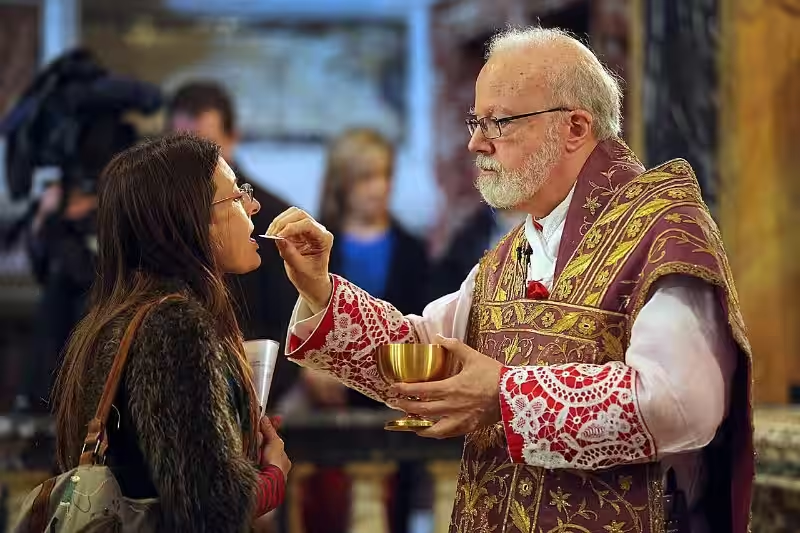
At the very heart of Catholic practice lie the seven sacraments. These are not mere symbolic gestures; Catholics believe they are outward signs, instituted by Christ, that effectively convey God’s grace. Think of them as tangible bridges connecting us to the divine, offering specific spiritual nourishment and transformation. The most central of these is the Eucharist, also known as Holy Communion. During Mass, bread and wine are consecrated, and Catholics believe they become the Body and Blood of Jesus Christ. This act of receiving Communion is seen as a profound spiritual communion with Christ and with fellow believers, a practice that unites the faithful in a unique and powerful way.
Beyond the Eucharist, other sacraments play crucial roles in the life of a Catholic. Baptism marks the entry into the Church, cleansing from original sin and initiating a new life in Christ. Confirmation strengthens the baptized with the Holy Spirit, empowering them for a life of witness and service. Reconciliation (or Confession) offers forgiveness for sins, restoring peace and relationship with God and the Church. Anointing of the Sick provides spiritual and physical comfort to those who are ill or in danger of death. Holy Orders consecrates men for service as deacons, priests, and bishops, while Matrimony blesses the union of a man and a woman, calling them to a lifelong covenant of love and mutual support. Each sacrament is a vital thread in the rich fabric of Catholic practice, weaving God’s presence into the various stages and challenges of human life.
The Rhythm of Liturgy: Experiencing Catholic Practice in Community
The public expression of Catholic practice is most profoundly experienced through the Liturgy, particularly the Mass. The Mass is a sacred drama, a re-presentation of Christ’s sacrifice and resurrection. It’s a communal prayer, a gathering of believers to praise God, hear His Word, and partake in the Eucharist. The structure of the Mass, with its readings from Scripture, prayers, hymns, and the homily (a sermon interpreting the readings), provides a consistent and comforting rhythm for worshippers. This shared experience fosters a strong sense of community, reminding Catholics that they are part of something larger than themselves, a global family united in faith.
Beyond the weekly Mass, the liturgical year offers a continuous cycle of prayer and remembrance, shaping the practice of Catholics throughout the year. Advent prepares hearts for the coming of Christ, marked by anticipation and reflection. Christmas celebrates His birth, filled with joy and the spirit of giving. Lent, a period of fasting, prayer, and almsgiving, leads to the solemn observance of the Paschal Triduum, commemorating Christ’s passion, death, and resurrection. Easter is the pinnacle of the Christian year, celebrating the Risen Christ. These seasons, with their unique devotions, readings, and symbols, provide a framework for deepening one’s spiritual life and understanding the central mysteries of Catholic faith. Participating in these liturgical celebrations is a cornerstone of Catholic practice, offering spiritual sustenance and a tangible connection to the history and teachings of the Church.
Prayer and Devotion: The Personal Dimension of Catholic Practice
While communal worship is central, Catholic practice also thrives in the realm of personal prayer and devotion. This is where the individual’s relationship with God is nurtured and deepened outside of formal liturgical settings. The Rosary, a series of prayers contemplating the life of Jesus and Mary, is a beloved devotion for many Catholics, offering a meditative way to engage with Scripture and seek intercession. Other forms of personal prayer include meditation, contemplation, and private prayer, where individuals speak directly to God, express their joys and sorrows, and seek guidance.
Beyond the spoken word, many Catholics find profound spiritual connection through acts of charity and service. Living out the Gospel message often means reaching out to those in need, embodying Christ’s love through concrete actions. This can manifest in various ways, from volunteering at a soup kitchen to supporting charitable organizations, or simply offering a word of kindness and support to a neighbor. This emphasis on social justice and caring for the marginalized is an integral part of Catholic practice, demonstrating that faith is not meant to be confined to the interior life but must be actively lived out in the world. These personal commitments, whether through prayer or action, are what truly bring Catholic practice to life.
Living the Faith: Catholic Practice in Everyday Life
Ultimately, Catholic practice is not confined to Sundays or special feast days; it is intended to permeate every aspect of a believer’s life. This means striving to live according to the moral teachings of the Church, which provide guidance on how to navigate the complexities of relationships, work, and societal issues. This isn’t about living a life of rigid prohibition, but rather about embracing a vision of human flourishing, grounded in principles of love, justice, and respect for human dignity. For example, the Church’s teaching on the sanctity of life informs how Catholics approach issues like abortion and euthanasia, urging a consistent ethic of care for all stages of life.
Furthermore, Catholic practice encourages a sense of stewardship, recognizing that all that we have – our talents, resources, and the very planet itself – are gifts from God. This inspires a responsibility to use these gifts wisely and for the common good. This can translate into practical actions like being mindful of one’s environmental impact, using financial resources responsibly, and contributing to the well-being of one’s community. By integrating these principles into daily decisions, Catholics aim to live out their faith authentically, making their everyday lives a testament to their belief and a continuous expression of Catholic practice. It’s a journey of striving, of learning, and of continually seeking to grow closer to God in every experience.
Frequently Asked Questions about Catholic Practice and Religion
What is the Catholic Church?
The Catholic Church is the largest Christian denomination in the world, tracing its origins back to Jesus Christ and his apostles. It is a unified global community guided by the Pope, who is considered the successor of Saint Peter.
What are the core beliefs of Catholicism?
Key beliefs include the Holy Trinity (God as Father, Son, and Holy Spirit), the divinity and humanity of Jesus Christ, his resurrection, the inspiration of the Bible, and the importance of the sacraments as channels of God’s grace. Catholics also believe in the communion of saints and the resurrection of the body.
The Sacraments are seven sacred rites that Catholics believe were instituted by Jesus Christ and are outward signs of inward grace, administered by authorized ministers. They are: Baptism, Confirmation, the Eucharist, Penance (Reconciliation), Anointing of the Sick, Holy Orders, and Matrimony.
What is the Eucharist?
The Eucharist, also known as Holy Communion or the Mass, is the central act of Catholic worship. During Mass, Catholics believe that the bread and wine are transformed into the actual Body and Blood of Jesus Christ through a process called transubstantiation. Receiving the Eucharist is considered a profound spiritual union with Christ.
What is the role of the Pope?
The Pope is the Bishop of Rome and the visible head of the Catholic Church on Earth. He is considered the successor of Saint Peter, the chief of the apostles, and holds supreme authority in matters of faith and morals for the Church.
What is the significance of the Bible in Catholicism?
The Bible is considered the inspired Word of God. Catholics believe it is a divinely inspired record of God’s revelation to humanity. While individuals are encouraged to read and pray with Scripture, the Church also provides guidance in its interpretation.
How do Catholics pray?
Catholics pray in various ways, including personal prayer (talking to God), vocal prayer (reciting traditional prayers like the Our Father or Hail Mary), and contemplative prayer (a quiet, receptive listening to God). The Rosary, a prayer involving meditating on the life of Jesus and Mary, is also a popular devotion.
What is the role of Mary, the mother of Jesus?
Catholics hold Mary in high esteem as the Mother of God and the Mother of the Church. They believe in her perpetual virginity, her Immaculate Conception (being conceived without original sin), and her Assumption into heaven. Devotion to Mary is seen as a way to grow closer to Jesus.
What is Confession (Reconciliation)?
Confession, or the Sacrament of Penance and Reconciliation, is where Catholics confess their sins to a priest. Through this sacrament, they receive God’s forgiveness and are reconciled with God and the Church.
What is the Mass?
The Mass is the principal liturgical celebration of the Catholic Church, commemorating the Last Supper and the sacrifice of Jesus Christ. It includes readings from Scripture, a homily (sermon), the offering of bread and wine, and the reception of Holy Communion.