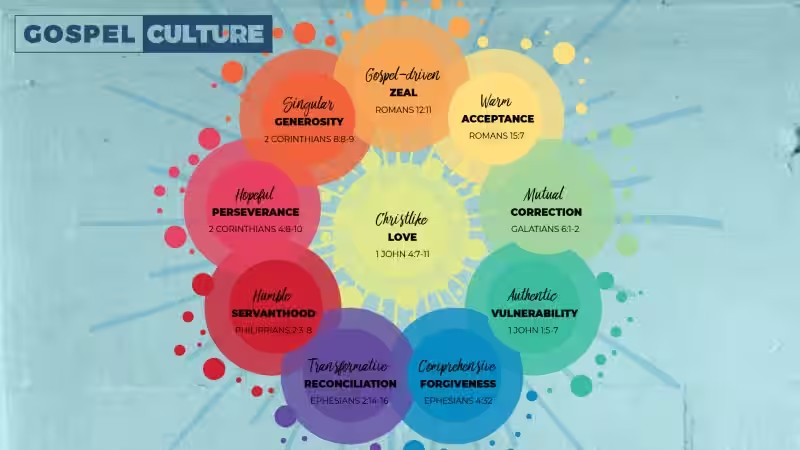
In the tapestry of human experience, religion has woven threads of profound meaning, community, and moral guidance for millennia. Within this vast landscape, a particular cultural phenomenon, often referred to as gospel culture, resonates with a distinctive vibrancy. It’s more than just a musical genre; it’s a holistic worldview, a way of life, and a powerful force that influences not only religious practice but also broader societal trends. Understanding gospel culture means delving into its roots, recognizing its expressions, and appreciating its enduring impact on individuals and communities.
This article aims to unpack the multifaceted nature of gospel culture, exploring its core tenets, its diverse manifestations, and its often-underestimated influence in shaping our understanding of religion, art, and even social justice. We’ll journey from its spiritual heart to its outward expressions, demonstrating how this dynamic cultural force continues to shape lives and inspire change.
At its core, gospel culture is deeply rooted in the Christian faith, drawing its inspiration from the biblical narrative of salvation and redemption. The word “gospel” itself means “good news,” and this message of hope, love, and grace forms the bedrock of this cultural expression. It’s a profound belief in a loving God, a sacrificial savior, and the promise of eternal life, a message that fuels an unshakeable optimism even in the face of adversity.
This spiritual foundation translates into a distinctive ethos characterized by faith, perseverance, and a strong sense of community. Think of the resilience found in generations of believers who have turned to their faith for strength during times of oppression or hardship. This unwavering belief system is not merely an intellectual assent but a lived reality, influencing daily decisions, fostering a spirit of gratitude, and cultivating a deep sense of purpose. The stories embedded within this gospel culture often highlight themes of overcoming obstacles, finding redemption, and living a life aligned with divine principles, offering a powerful narrative of hope to all who engage with it.
The Expressive Heartbeat: Music, Preaching, and Performance
One of the most recognizable facets of gospel culture is its powerful and emotive musical tradition. Gospel music, with its soaring vocals, passionate harmonies, and often improvisational nature, is more than entertainment; it’s a spiritual outpouring. The call-and-response patterns, the rhythmic clapping, and the fervent delivery of lyrics are designed to evoke a visceral emotional and spiritual response, drawing listeners into a shared experience of worship and celebration.
Beyond music, preaching is another vital pillar of gospel culture. The dynamic preacher, often a charismatic figure, acts as a conduit for spiritual truth, delivering sermons that are not just informative but also transformative. These sermons can be characterized by their rhetorical power, their reliance on scriptural interpretation, and their ability to connect with the congregation on a deeply personal level, often incorporating storytelling, humor, and impassioned pleas for spiritual awakening. The performance aspect, whether in music or preaching, is crucial, fostering a sense of shared experience and collective worship that binds the community together.
Beyond the Sanctuary: Gospel Culture’s Wider Influence
The impact of gospel culture extends far beyond the walls of churches and concert halls. Its principles and aesthetics have permeated various aspects of secular society, influencing art, education, and even social activism. The emphasis on community, mutual support, and advocacy for the marginalized are values that resonate broadly, even outside of a strictly religious context.
Consider the civil rights movement, where gospel music became an anthem of hope and resistance, its powerful lyrics and unifying melodies fueling the fight for equality. This demonstrates how gospel culture can serve as a potent force for social change, inspiring collective action and fostering a sense of shared humanity. Moreover, the storytelling traditions and the emphasis on personal transformation found within gospel culture have influenced countless narratives in literature, film, and other artistic mediums, offering universally relatable themes of struggle, redemption, and the enduring power of hope.
Navigating the Nuances: Diversity within Gospel Culture
It’s crucial to acknowledge that gospel culture is not a monolithic entity. It encompasses a wide spectrum of beliefs, practices, and expressions across different denominations and geographical regions. While a shared core of faith often binds these diverse groups, there are distinct styles, theological interpretations, and cultural adaptations that contribute to its rich tapestry.
For example, the vibrant, high-energy contemporary gospel scene often differs in sound and presentation from the more traditional, harmonically rich styles found in older denominations. Similarly, the expressions of gospel culture in different countries often weave in local musical traditions and cultural nuances, creating unique and fascinating fusions. Understanding this internal diversity is key to appreciating the full breadth and depth of gospel culture’s enduring presence and influence in the world of religion.
The Enduring Legacy: A Source of Strength and Inspiration
In conclusion, gospel culture is a dynamic and multifaceted phenomenon deeply intertwined with religion, offering a profound source of spiritual nourishment, community cohesion, and cultural expression. Its resonant echoes can be heard in the powerful strains of gospel music, the compelling sermons delivered from pulpits, and the unwavering spirit of those who find strength and purpose in its message.
Whether one actively participates in a religious community or simply encounters its influence through art and social movements, the principles of hope, perseverance, and communal support embedded within gospel culture continue to offer valuable lessons. It stands as a testament to the enduring power of faith and the profound ways in which religion can shape not only individual lives but also the broader cultural landscape, leaving an indelible mark on the human experience.
Frequently Asked Questions about Gospel Culture and Religion
What is gospel culture?
Gospel culture refers to the multifaceted aspects of life, expression, and community that are influenced by, and revolve around, gospel music and its associated faith traditions. It encompasses not only the music itself but also the worship styles, community gatherings, fashion, language, and a particular worldview rooted in Christian faith, often with strong ties to African American history and experience.
How is gospel culture different from simply religious music?
While all gospel music is religious, not all religious music is gospel. Gospel music is characterized by its deep roots in Christian theology, its often improvisational and emotionally expressive vocal style (influenced by blues and jazz), and its primary function as a vehicle for expressing faith, evangelism, and community building within specific Christian denominations, particularly Protestant churches. Other religious music might be more formal, liturgical, or drawn from different theological traditions.
What are the core beliefs associated with gospel culture?
The core beliefs are generally those of Christianity, including the divinity of Jesus Christ, his death and resurrection for the salvation of humanity, the Trinity, the authority of the Bible, and the importance of living a life guided by faith and love. Specific expressions of these beliefs can vary among different denominations and traditions that embrace gospel culture.
Is gospel culture exclusively tied to a specific denomination?
While gospel music has strong historical and cultural ties to Baptist, Methodist, Pentecostal, and other Protestant denominations, particularly within African American communities, its influence has spread. Many Christians from various backgrounds and denominations appreciate and participate in gospel music and its associated cultural expressions.
What role does community play in gospel culture?
Community is central to gospel culture. Gospel music is often performed in communal worship settings, and its creation and dissemination are frequently a collective effort. It serves as a unifying force, fostering a sense of belonging, shared experience, and mutual support among believers. Churches and gospel music events are key hubs for this community interaction.
How does gospel culture influence contemporary music and society?
Gospel music has had a profound influence on many secular music genres, including soul, R&B, blues, and even rock and pop. Its vocal techniques, harmonic structures, and emotional intensity have been adopted and adapted by countless artists. Beyond music, gospel culture contributes to discussions on social justice, ethical living, and the expression of hope and resilience in society.
What is the relationship between gospel culture and social justice?
Historically, gospel music has been deeply intertwined with the struggle for civil rights and social justice, particularly within the African American community. The music often served as a source of strength, encouragement, and a call to action during times of oppression. This legacy continues, with many gospel artists and communities advocating for fairness, equality, and human dignity.
Can someone appreciate gospel music without being religious?
Yes, it is possible to appreciate gospel music for its artistry, musical innovation, emotional power, and historical significance without adhering to its religious tenets. Many people are drawn to the uplifting messages, the vocal performances, and the rhythmic energy of gospel music as a form of artistic expression.