In the grand, intricate tapestry of human existence, threads of conflict and division often seem to dominate. We see it in our personal lives, in our communities, and on the global stage. Yet, woven throughout the sacred texts of Christianity, a powerful and persistent theme emerges: biblical reconciliation. This isn’t merely a theological concept; it’s a profound invitation to restore broken relationships, starting with our relationship with God and extending to every interaction with our fellow human beings. The Christian faith, built upon the foundation of Jesus Christ’s sacrificial love, presents reconciliation not as an optional extra, but as the very purpose and power of the Gospel.
Understanding biblical reconciliation means delving into the core of what it means to be human and what it means to be in relationship with the divine and with each other. It’s about acknowledging the fractures caused by sin – both our own and the systemic brokenness in the world – and discovering the divine pathway to wholeness and unity. This article will explore the multifaceted nature of biblical reconciliation, its transformative power within the context of religion, and how its principles can guide us toward a more harmonious and loving existence.
The Foundation of Estrangement: Understanding the Need for Reconciliation
At the heart of the human condition, as understood through a biblical lens, lies a fundamental estrangement. The story of humanity’s fall in Genesis paints a vivid picture of this initial break. Adam and Eve’s disobedience wasn’t just a personal failing; it ruptured their intimate connection with God, introduced separation from one another, and brought corruption into the very fabric of creation. This original sin, a concept central to many Christian traditions, established a pattern of alienation and division that continues to echo through history and in our individual lives.
This estrangement manifests in various ways. We experience it as a guilty conscience before God, a feeling of being distant and unworthy. We see it in the conflicts between nations, the discord within families, and the walls of misunderstanding that rise between individuals. The Bible consistently portrays humanity as being in a state of “enmity” with God due to sin (Romans 5:10). This isn’t to say God is angry and vindictive, but rather that His perfect nature is incompatible with sin, creating a necessary barrier that only a divine intervention could bridge. Recognizing this foundational need for reconciliation is the crucial first step in grasping its significance within religious belief and practice.
Breaking Down the Barriers: Sin and Separation
The biblical understanding of sin is multifaceted. It’s not just about committing outward acts of immorality, but also about internal attitudes, rebellious thoughts, and a fundamental self-centeredness that pulls us away from God’s will. This inherent tendency towards sin creates invisible but powerful barriers between us and the divine. Think of it like a beautiful friendship marred by constant small betrayals and a lack of open communication; over time, distance and distrust grow, even if both parties still desire connection. The prophets of the Old Testament frequently cried out against Israel’s sins, highlighting how their idolatry and injustice led to a fractured relationship with God, resulting in exile and suffering. This serves as a stark reminder that our actions and attitudes have real consequences on our spiritual standing and our capacity for divine fellowship.
These barriers aren’t just one-way. Our estrangement from God also impacts our relationships with each other. When we are not in right relationship with the source of all love and truth, it becomes incredibly difficult to love our neighbors genuinely. The Bible details numerous instances of interpersonal strife, jealousy, and violence, all stemming from this internal brokenness. The story of Cain and Abel, the first murder, is a tragic testament to how sin can corrupt even the closest of familial bonds, leading to irreparable harm and deep sorrow. These scriptural narratives underscore the pervasive nature of separation and the profound need for a restorative force to mend what has been broken.
The Divine Solution: Jesus Christ and the Ministry of Reconciliation
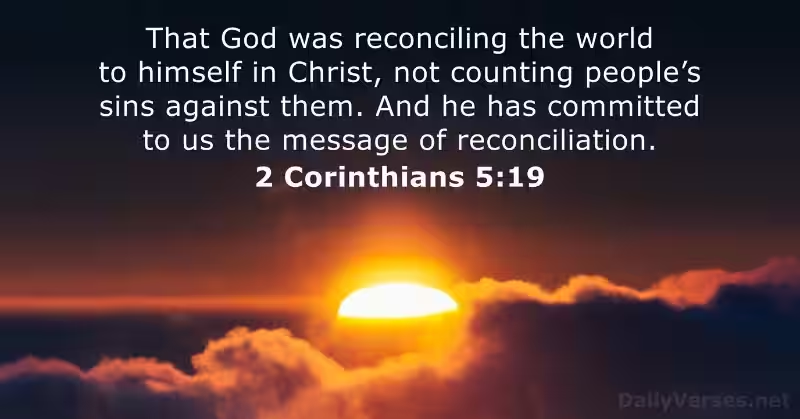
The pivotal moment in the narrative of biblical reconciliation is the coming of Jesus Christ. The New Testament presents Him as the divine agent sent to bridge the chasm created by sin. His life, sacrificial death on the cross, and resurrection are not merely historical events; they are the cornerstone of God’s plan for cosmic reconciliation. The Apostle Paul powerfully articulates this in 2 Corinthians 5:18-19, stating that God “reconciled us to himself through Christ and gave us the ministry of reconciliation: that God was reconciling the world to himself in Christ, not counting people’s sins against them.” This is the essence of the Gospel: God, in His boundless love and mercy, took the initiative to restore humanity to Himself.
Jesus’ ministry was characterized by reaching out to the marginalized, the outcast, and the sinner. He consistently demonstrated that reconciliation isn’t about earning favor but about receiving grace. His interactions with tax collectors, prostitutes, and those considered “unclean” exemplified a radical inclusivity that challenged the prevailing social and religious norms of his day. He ate with them, healed them, and offered them forgiveness, thereby demonstrating the transformative power of God’s love to break down social barriers and restore dignity. This model of compassionate engagement is a powerful illustration of what biblical reconciliation looks like in practice, showing that it’s not just a theological doctrine but a lived reality.
The Cross as the Ultimate Act of Reconciliation
The crucifixion of Jesus is often described as the ultimate act of reconciliation. It was a substitutionary atonement, where Jesus, the innocent, bore the penalty for humanity’s sins. This sacrifice satisfied the demands of divine justice, providing a legal and moral basis for God to forgive and restore sinners. Imagine a massive debt that you could never possibly repay. Then, someone else, a benefactor, steps in and pays the entire debt for you. This is the essence of Christ’s sacrifice; He paid the price for our sin, allowing us to be reinstated into a right relationship with God. This act of unconditional love and immense sacrifice is the very foundation upon which all biblical reconciliation rests.
Through his death and resurrection, Jesus not only reconciled humanity to God but also reconciled humanity to itself. The barriers of ethnicity, social status, and religious affiliation that often divide people are rendered obsolete in Christ. Galatians 3:28 famously states, “There is neither Jew nor Gentile, neither slave nor free, nor is there male and female, for you are all one in Christ Jesus.” This revolutionary concept of unity in Christ challenges the world’s divisive structures and calls believers to live in a manner that reflects this newfound oneness and equality. The cross, therefore, is not just about individual salvation; it’s about the potential for a redeemed humanity, united in love and purpose.
The Ministry of Reconciliation: Our Role in God’s Plan
The work of reconciliation doesn’t end with Christ’s ascension. The Bible clearly states that believers have been entrusted with the “ministry of reconciliation” (2 Corinthians 5:18). This means we are called to be ambassadors for Christ, actively participating in God’s ongoing work of mending broken relationships in the world. This is a sacred trust and a profound responsibility, inviting us to embody the love and forgiveness we have received. We are not passive recipients of God’s grace; we are commissioned to be agents of His restorative power in tangible ways.
This ministry takes many forms. It can involve offering forgiveness to someone who has wronged us, even when it’s difficult. It means seeking to understand those who hold different beliefs or come from different backgrounds, rather than immediately judging them. It involves working for justice and peace in our communities and in the world, addressing the systemic issues that perpetuate division and suffering. For instance, a church community might actively engage in programs that facilitate dialogue between different ethnic groups, or individuals might volunteer their time to help rehabilitate former prisoners, demonstrating practical application of biblical reconciliation.
Extending Grace and Seeking Forgiveness
A crucial element of biblical reconciliation is the practice of offering and seeking forgiveness. Just as God, through Christ, has forgiven us our trespasses, we are commanded to forgive others. This isn’t about condoning wrongdoing or forgetting the pain; it’s about releasing the debt of resentment and choosing love over bitterness. Jesus’ parable of the unforgiving servant (Matthew 18:21-35) vividly illustrates the devastating consequences of holding onto grudges, emphasizing that our own reception of God’s forgiveness is contingent on our willingness to extend it to others. This can be one of the most challenging aspects of faith, requiring immense humility and reliance on the Holy Spirit’s strength.
On the flip side, biblical reconciliation also involves humble repentance and seeking forgiveness when we have wronged others. This requires acknowledging our mistakes, taking responsibility for our actions, and expressing genuine remorse. The story of Zacchaeus, the tax collector who demonstrably changed his ways and made restitution after encountering Jesus, is a powerful example of authentic repentance leading to reconciliation (Luke 19:1-10). This two-pronged approach – offering forgiveness freely and seeking it humbly – is essential for mending the rifts that plague our human relationships and for living out the principles of a faith that champions unity and love.
Building Bridges, Not Walls
In a world often characterized by polarization and division, the call to build bridges rather than walls is more urgent than ever. Biblical reconciliation compels us to look beyond superficial differences and to recognize the shared humanity that unites us, a humanity created in the image of God. This means actively engaging in empathetic listening, seeking to understand the perspectives of others, even when we disagree. It involves speaking truth in love, addressing injustices and harmful behaviors with compassion and a desire for restoration, rather than condemnation.
This commitment to bridge-building is not always easy. It requires courage, patience, and a willingness to be vulnerable. It might mean initiating difficult conversations, extending olive branches to those who have hurt us, or advocating for policies that promote equity and justice. The early Christian church, despite its diverse membership, strove to live out this principle of unity, often facing external persecution but maintaining internal fellowship. This historical example offers encouragement and a blueprint for how believers today can actively participate in fostering communities of reconciliation, where differences are respected, wounds are healed, and love reigns supreme. This pursuit of interpersonal and societal harmony is a direct outflow of embracing the profound truths of biblical reconciliation.
The Ongoing Journey: Living a Life of Reconciliation
Biblical reconciliation is not a one-time event but an ongoing journey of transformation. It is a continuous process of aligning our lives with God’s heart of love and forgiveness, extending that same grace to others, and actively working to heal the brokenness we encounter. This journey requires perseverance, humility, and a deep reliance on God’s strength and guidance. It’s about embracing the dynamic nature of faith, where we are constantly learning, growing, and being refined.
Embracing this journey means committing to personal growth and spiritual discipline. It involves regularly examining our own hearts for any lingering resentments or unforgiving attitudes. It means actively seeking opportunities to practice forgiveness, both in our personal relationships and in our engagement with broader societal issues. The ultimate goal of this ongoing journey is to live lives that reflect the very nature of God, who is Himself the ultimate source of reconciliation, demonstrating His unwavering love and desire for wholeness for all creation.
Biblical reconciliation, in its most profound sense, refers to the restoration of a broken relationship between humanity and God, made possible through the sacrifice of Jesus Christ. It also encompasses the restoration of broken relationships between people.
What does the Bible say about reconciliation with God?
The Bible teaches that humanity is estranged from God due to sin. Through Christ’s death and resurrection, God offers reconciliation, meaning He takes the initiative to bridge the gap created by sin. We are encouraged to accept this gift of reconciliation through faith in Jesus. (2 Corinthians 5:18-20, Romans 5:10)
How does reconciliation apply to relationships between people?
Drawing from the reconciliation we have with God, the Bible calls believers to actively pursue reconciliation in their earthly relationships. This involves forgiving others, seeking forgiveness, and working towards peace and unity. (Matthew 5:23-24, Colossians 3:13)
What is the role of religion in biblical reconciliation?
Biblical reconciliation is a core tenet of Christianity, which is a religion. Christianity’s teachings and practices are centered around the concept of God’s reconciliation with humanity through Jesus Christ. It provides the framework and motivation for individuals to experience and practice reconciliation.
Is reconciliation a one-time event or an ongoing process?
Reconciliation with God, through faith in Christ, is a foundational, transformative event. However, living out that reconciliation involves an ongoing process of growth, repentance, and actively pursuing peace in our relationships with God and others.