Embarking on the journey of selecting your first, or perhaps your next, Catholic Bible can feel like standing at the entrance of a vast theological library. With so many options available, the question, “What Catholic Bible should I buy?” echoes in the minds of many, from seasoned believers seeking a new translation to newcomers eager to explore the Sacred Scriptures. This isn’t just about choosing a book; it’s about finding a companion for your faith, a guide for your spiritual growth, and a source of divine wisdom that resonates with your heart.
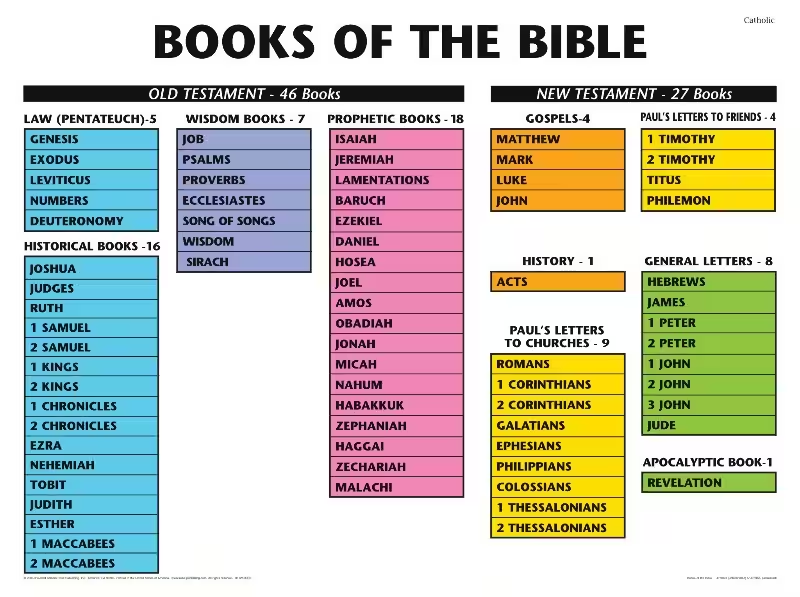
The Catholic Church has a rich tradition of engaging with the Bible, and understanding what makes a Bible “Catholic” is the first crucial step. Unlike Bibles from other Christian denominations, Catholic Bibles include a specific collection of books known as the Deuterocanonical books, which are part of the Old Testament canon recognized by the Catholic Church. These books, such as Tobit, Judith, Wisdom, Sirach, Baruch, and 1 & 2 Maccabees, along with additions to Esther and Daniel, offer profound insights and historical context that are integral to Catholic teaching and understanding. So, when you’re asking yourself, “What Catholic Bible should I buy?”, ensure the version you choose contains these essential books.
Understanding the Importance of Translation: Finding the Right Voice
The Bible, in its original languages, was written centuries ago. To bring its message to us today, it must be translated. This translation process is where the nuances and potential differences in Bibles emerge. The choice of translation significantly impacts how you will understand and connect with the text. Some translations prioritize literalness, striving to mirror the original Hebrew and Greek as closely as possible, which can sometimes lead to a more academic or challenging read. Others focus on dynamic equivalence, aiming to convey the meaning and spirit of the original text in more contemporary language, making it more accessible and fluid for everyday reading.
For those pondering, “What Catholic Bible should I buy?” considering the translation is paramount. The New American Bible Revised Edition (NABRE) is the translation used in the Lectionary for Mass in the United States and is a popular choice for its balance of accuracy and readability. Another excellent option is the Revised Standard Version Catholic Edition (RSV-CE), known for its scholarly approach and fidelity to the original texts, often preferred by those seeking a more traditional feel. For an even more contemporary feel, the New Revised Standard Version Catholic Edition (NRSV-CE) offers a more gender-inclusive language while maintaining scholarly rigor. Each translation offers a unique voice, and exploring them is key to finding the one that speaks most clearly to you.
Key Translations and Their Strengths: A Closer Look
When you’re deep in the decision-making process of “What Catholic Bible should I buy?”, it’s helpful to understand the distinct characteristics of the most recommended Catholic translations. These aren’t just different words; they represent different philosophies of translation that can shape your reading experience profoundly. Think of it like different translations of a beloved poem – each offers a valid interpretation, but one might capture the rhythm and emotion that resonates most with you.
NABRE (New American Bible Revised Edition): This is the go-to for daily Mass readings in the US. It’s a good all-around choice, offering a solid blend of accuracy and modern English. If you want a Bible that aligns with what you hear at Mass, the NABRE is an excellent starting point.
RSV-CE (Revised Standard Version Catholic Edition): This translation is highly regarded for its scholarly excellence and its commitment to maintaining the tone and style of the original texts. It often feels more stately or reverent due to its slightly more formal language. Many theologians and scholars appreciate its precision, making it a strong contender for a long-term study Bible.
NRSV-CE (New Revised Standard Version Catholic Edition): Building on the RSV, the NRSV-CE incorporates advancements in biblical scholarship and uses more inclusive language where appropriate, reflecting contemporary linguistic standards. It’s a good choice for those who value modern scholarship and seek a text that is both accurate and sensitive to modern communication styles.
Jerusalem Bible / New Jerusalem Bible: These translations are known for their extensive footnotes and introductions, written by prominent Catholic scholars. They offer significant theological and historical context, making them ideal for in-depth study. If you’re the type who loves to delve into the “why” and “how” behind the text, these are invaluable resources.
Beyond the Text: Features That Enhance Your Bible Experience
The question “What Catholic Bible should I buy?” extends beyond just the translation. The physical aspects and additional features of a Bible can dramatically enhance your devotional life and study. Consider the purpose you have in mind for your Bible. Is it for daily prayer and reflection, for in-depth theological study, or for evangelization and sharing your faith with others? Each purpose might lead you to a different type of edition.
Think about the layout and font size. A Bible with clear, readable print is essential for prolonged reading. Some Bibles feature cross-references, which are like helpful signposts, linking verses to other relevant passages throughout Scripture, aiding in deeper understanding and thematic connections. Introductions to each book can provide historical context, authorship information, and key themes, setting the stage for your reading. And for those who appreciate visual aids, maps and timelines can bring the narratives to life, grounding the biblical events in a geographical and historical landscape. These elements transform a simple book into a comprehensive spiritual tool.
Essential Features to Consider When Purchasing
When you’re weighing your options and asking, “What Catholic Bible should I buy?”, don’t overlook the practical elements that can make a significant difference in your engagement with Scripture. A well-designed Bible can be an inviting gateway to God’s word, while a less user-friendly one might become a dusty ornament.
Study Aids: For serious study, look for Bibles with extensive footnotes, concordances (an alphabetical list of words and their occurrences), and commentaries. These are invaluable for unpacking complex passages and understanding theological nuances.
Devotional Features: Some Bibles are designed with daily readings, prayer prompts, or reflections from saints and theologians. If your primary goal is spiritual growth through personal devotion, these features can be incredibly beneficial.
Durability and Binding: Consider how often you’ll use your Bible. A sturdy binding, whether hardcover, genuine leather, or a quality paperback, will ensure longevity. Hand-stitched bindings are often a sign of superior craftsmanship.
Size and Portability: Will you carry it to church, on retreats, or travel with it? A more compact, portable edition might be ideal. Conversely, a larger print or study edition might be better suited for home use.
Red Letter Editions: Some Bibles highlight the words of Jesus in red ink. While not essential, some find this a helpful visual cue to focus on His direct teachings.
Finding Your Personal Connection: The Heart of the Matter
Ultimately, the answer to “What Catholic Bible should I buy?” lies not just in scholarly recommendations or feature lists, but in your personal connection with the text. The Bible is a living word, and it speaks to each of us in unique ways. What resonates deeply with one person might feel less impactful to another. Therefore, the best approach is often to hold different versions in your hands, read a few passages aloud, and see which translation and presentation feels most natural, inspiring, and conducive to prayer.
Don’t be afraid to experiment. Many people own multiple Bibles – a go-to for daily reading, a scholarly edition for deeper dives, and perhaps a beautifully illustrated version for inspiration. The journey of faith is a lifelong one, and your relationship with the Bible will evolve. The Bible you choose today might be your faithful companion for years, but it’s also okay to seek out new translations or editions as your understanding and spiritual needs grow. The most important thing is to engage with Scripture regularly, allowing it to illuminate your path and draw you closer to God.
Frequently Asked Questions about Choosing a Catholic Bible
What is a Catholic Bible?
A Catholic Bible contains the full canon of Scripture recognized by the Catholic Church, which includes the 73 books of the Old and New Testaments. This differs from some Protestant Bibles, which may exclude certain books of the Old Testament.
What is the difference between a Catholic Bible and a Protestant Bible?
The primary difference lies in the canon of Scripture. Catholic Bibles include the Deuterocanonical books (also known as the Apocrypha), which are Tobit, Judith, 1 Maccabees, 2 Maccabees, Wisdom, Sirach, and Baruch, as well as additions to Esther and Daniel. These books are not typically found in Protestant Bibles.
Which translation of the Bible is best for Catholics?
There isn’t one single “best” translation, as it often depends on personal preference and intended use. However, some of the most widely recommended and approved Catholic translations include:
New American Bible Revised Edition (NABRE): This is the translation used in the liturgy in the United States. It is known for its readability and scholarly annotations.
Revised Standard Version Catholic Edition (RSV-CE): This translation is highly regarded for its faithfulness to the original languages and its literary style. The New Revised Standard Version Catholic Edition (NRSV-CE) is also a popular choice.
Jerusalem Bible: This translation is known for its scholarly introductions and footnotes.
New Jerusalem Bible: A revision of the Jerusalem Bible, offering updated scholarship and language.
Douay-Rheims: A traditional translation from the Latin Vulgate, favored by some for its historical significance and traditional language.
What should I look for when buying a Catholic Bible?
Consider the following:
Translation: Choose a translation approved by the Catholic Church and one that you find clear and engaging.
Notes and Commentary: Many Catholic Bibles include footnotes, introductions, and cross-references that help explain the text and its theological significance. These can be very beneficial for study.
Study Aids: Some Bibles offer additional features like maps, concordances, and reading plans.
Typeface and Print Size: Ensure the print is easy to read for your comfort.
Binding and Durability: Consider how you plan to use the Bible (e.g., for daily reading, study, or travel) and choose a binding that suits your needs.
Are there specific Bibles recommended for prayer or study?
For prayer and devotional reading, translations that are clear and easy to understand, like the NABRE or NRSV-CE, are often good choices. For in-depth study, Bibles with extensive footnotes, introductions, and scholarly commentary, such as the Jerusalem Bible or the RSV-CE with Ignatius Study Bible notes, can be very helpful.
Where can I buy a Catholic Bible?
Catholic Bibles can be purchased from:
Catholic bookstores
Major online retailers (e.g., Amazon, Barnes & Noble)
Publishers’ websites (e.g., Catholic Book Publishing, Ignatius Press, Crossroad Publishing)
Some general bookstores
Does the Catholic Church require a specific Bible?
While the Catholic Church approves and recommends certain translations for liturgical use and personal study, it does not mandate one specific edition for all Catholics. The key is to use a translation that is recognized by the Church as faithful to the original texts and the Church’s teachings.