Embarking on a journey through the Holy Scriptures is a profoundly personal and enriching experience, especially for Catholics. But with so many translations and editions available, a common question arises: what Bible should I read as a Catholic? This isn’t just about picking up any book; it’s about selecting a companion for your faith, a guide that will illuminate God’s word and deepen your understanding of Catholic teachings. The Catholic Church provides specific guidelines and recommendations, ensuring that the Bible you choose is not only inspired by God but also faithfully reflects the traditions and doctrines of the Church.
For many, the question of what Bible should I read as a Catholic can feel a bit overwhelming at first. You might walk into a bookstore or browse online, and the sheer volume of options can be dizzying. Fear not! This article is designed to demystify the process, offering clear, practical advice to help you find the perfect Catholic Bible for your needs. We’ll explore the criteria that make a Bible truly Catholic, discuss popular and recommended translations, and highlight features that can enhance your reading experience.
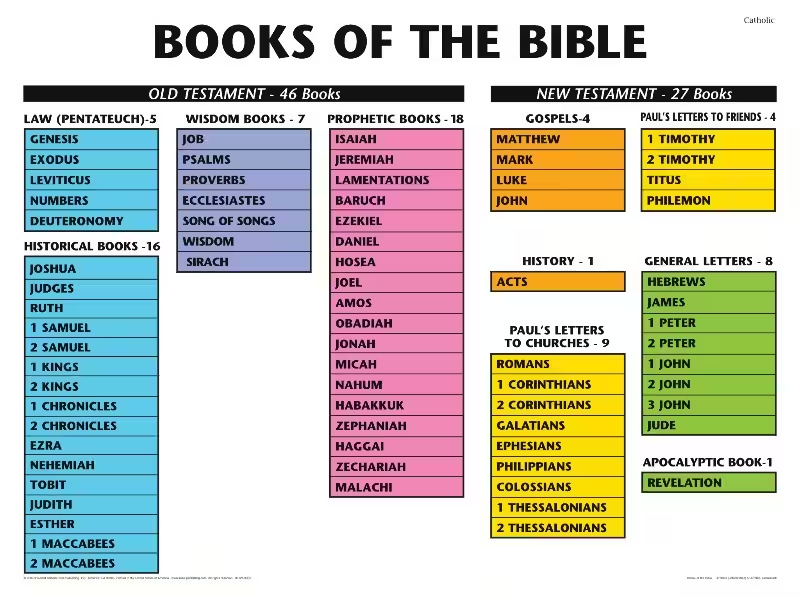
When we ask what Bible should I read as a Catholic, the most crucial distinction lies in its content and the imprimatur. A Catholic Bible is not simply a translation of biblical texts; it’s a collection that includes the full canon of Scripture as recognized by the Catholic Church. This means it contains the 73 books that comprise the Old and New Testaments, including the books known as the deuterocanonical books, which are found in the Septuagint but are often omitted from Protestant Bibles. These books, such as Tobit, Judith, 1 and 2 Maccabees, Wisdom, Sirach, and Baruch, are integral to Catholic tradition and theological understanding.
The Catholic Church takes great care to ensure the faithful transmission of God’s Word. Therefore, a key indicator of a suitable Catholic Bible is the presence of an imprimatur and a nihil obstat. The imprimatur, usually found on the copyright page, signifies that the book has been examined by a Catholic bishop and found to be free of error in matters of faith and morals. The nihil obstat, meaning “nothing stands in the way,” is a declaration by an ecclesiastical censor that the book contains no doctrinal or moral deviations. These official endorsements provide assurance that the translation and any accompanying notes or explanations are in line with Catholic teaching, directly addressing the concern of what Bible should I read as a Catholic for authenticity.
The Importance of the Deuterocanonical Books
The inclusion of the deuterocanonical books is a fundamental aspect of what distinguishes a Catholic Bible. These books, while part of the Jewish canon at the time of Jesus, were later excluded by some Jewish groups and subsequently by many Protestant reformers. However, the early Christian Church consistently recognized them as inspired Scripture. For Catholics, these books are not mere historical or theological curiosities; they are divinely inspired texts that offer profound insights into faith, wisdom, and God’s providence. For example, the book of Tobit tells a beautiful story of divine intervention and angelic protection, while the books of Maccabees recount the courageous faith of martyrs standing against oppression.
Understanding the significance of these books is vital when considering what Bible should I read as a Catholic. They provide essential context for New Testament passages and are frequently referenced in Catholic liturgy and theological discourse. For instance, the courage of the Maccabean martyrs is often seen as a prefigurement of Christian martyrdom. By including these books, a Catholic Bible offers a complete and unbroken spiritual heritage, allowing readers to engage with the entirety of God’s revelation as interpreted and preserved by the Church. Without them, a significant portion of the biblical narrative and theological richness would be missing.
Approved Translations: The Cornerstone of Catholic Scripture
When answering what Bible should I read as a Catholic, the translation chosen is paramount. The Catholic Church offers guidance on which translations are deemed reliable and suitable for devotional and study purposes. These translations have undergone rigorous review to ensure accuracy in conveying the original languages (Hebrew, Aramaic, and Greek) while remaining faithful to Catholic theological nuances and liturgical use. The goal is to provide a text that is both intellectually sound and spiritually empowering, enabling a deeper connection with God’s Word.
Several translations are widely recommended and approved by Catholic bishops’ conferences. These include the New American Bible Revised Edition (NABRE), which is the translation used in the United States for liturgy. Other popular and excellent choices for personal study include the Revised Standard Version Catholic Edition (RSV-CE) and its updated version, the New Revised Standard Version Catholic Edition (NRSV-CE). For those seeking a more literal translation, the Douay-Rheims Bible, a classic translation from the Latin Vulgate, remains a valuable resource, though its archaic language can be a barrier for some modern readers. Choosing among these approved translations is a key step in ensuring you have a Bible that aligns with Catholic faith and practice.
Choosing the Right Translation for You
The question of what Bible should I read as a Catholic often comes down to selecting a translation that resonates with your personal reading style and spiritual needs. While all approved Catholic translations are doctrinally sound, they differ in their approach to translation, ranging from more literal to more dynamic equivalence. A literal translation aims to stick as closely as possible to the word-for-word meaning of the original languages, which can be beneficial for in-depth study. Conversely, a dynamic equivalence translation focuses on conveying the overall meaning and message of the text, often resulting in more fluid and readable prose.
Consider your primary purpose for reading the Bible. Are you seeking a translation for daily prayer and reflection, or for in-depth theological study? If you’re new to the Bible or find older language challenging, a more contemporary translation like the NABRE or NRSV-CE might be a good starting point. These translations generally offer a good balance between textual accuracy and readability. However, if you appreciate the rich linguistic heritage of the Church and are willing to grapple with older English, the Douay-Rheims can offer a profound and historically significant reading experience. Ultimately, the best translation is the one that you will actually read and that draws you closer to God.
The New American Bible Revised Edition (NABRE)
The New American Bible Revised Edition (NABRE) is a cornerstone for many Catholics, particularly in the United States. This translation is the result of extensive scholarly work and has been approved for liturgical use by the United States Conference of Catholic Bishops (USCCB). When Catholics ask what Bible should I read as a Catholic, the NABRE is often the first recommendation due to its widespread availability and official standing within the U.S. Church. It aims to be both accurate to the original languages and accessible to contemporary readers, striking a balance between literalness and readability.
The NABRE includes the full 73-book canon of the Catholic Church, complete with the deuterocanonical books. Its footnotes and introductions, while not infallible, are generally helpful for understanding the historical context, theological themes, and the relationship of Scripture to Catholic tradition. This makes it an excellent choice for both devotional reading and for those beginning to delve deeper into biblical study. Many study Bibles are based on the NABRE, offering further aids for comprehension and application. For many, engaging with the NABRE is a primary way to connect with God’s Word as presented within the Catholic faith.
The Revised Standard Version Catholic Edition (RSV-CE) and NRSV-CE
The Revised Standard Version Catholic Edition (RSV-CE) and its successor, the New Revised Standard Version Catholic Edition (NRSV-CE), are highly regarded translations for personal study and devotion among Catholics worldwide. These Bibles are faithful to the RSV and NRSV, respectively, but crucially, they include the full Catholic canon, complete with the deuterocanonical books, and have received the necessary ecclesiastical approvals. When considering what Bible should I read as a Catholic for a more academic or in-depth approach, these translations often come to the forefront.
The RSV-CE is known for its dignified language and close adherence to the original texts. The NRSV-CE, while also maintaining scholarly accuracy, has incorporated some updates in language and translation to reflect more recent biblical scholarship and to use gender-inclusive language where appropriate in translating ancient texts. Both editions offer a robust and reliable text for prayer and study, allowing Catholics to engage with Scripture in a way that is both faithful to the Church’s tradition and informed by contemporary scholarship. Many scholars and theologians prefer these translations for their precision.
The Douay-Rheims Bible: A Timeless Classic
For those drawn to the rich history and venerable language of the Church, the Douay-Rheims Bible stands as a significant option when asking what Bible should I read as a Catholic. This translation, rooted in the Latin Vulgate (the official Bible of the Catholic Church for centuries), was first published in the 17th century. It offers a deeply reverent and often poetic rendering of Scripture, deeply embedded in the tradition of Catholic scholarship and devotion. While its language is archaic by modern standards, its spiritual depth and historical importance are undeniable.
Reading the Douay-Rheims can be a profoundly spiritual experience, connecting you to generations of Catholics who have prayed with its words. It’s an excellent choice for those who enjoy a more literal translation and appreciate the beauty of older English prose. While it may require more effort to understand certain passages, the rewards of spiritual insight and historical connection can be immense. Many traditional Catholic communities and scholars continue to hold the Douay-Rheims in high esteem, recognizing its enduring value as a source of divine truth and spiritual nourishment.
Beyond the Text: Features That Enhance Your Catholic Bible
The journey of answering what Bible should I read as a Catholic doesn’t end with selecting a translation. The best Catholic Bibles often come equipped with features designed to enrich your understanding and facilitate your spiritual growth. These additions can transform a standard Bible into a powerful tool for faith formation, helping you to connect the dots between Scripture, Church teaching, and your daily life. Think of them as helpful guides on your pilgrimage through the Word of God.
These supplementary materials are carefully curated to align with Catholic doctrine and practice. They are not meant to override the authority of the Church or the Magisterium, but rather to illuminate and support your personal engagement with Scripture. By providing context, explanations, and devotional prompts, these features help you to not only read the Bible but to truly live its message, making your choice of what Bible should I read as a Catholic a decision that actively fosters your faith life.
Study Notes and Introductions
When considering what Bible should I read as a Catholic, look for editions that offer helpful study notes and introductions. These annotations, written by Catholic scholars, provide invaluable context for understanding the historical, cultural, and theological background of each book and individual passage. They can explain difficult verses, clarify complex theological concepts, and highlight how specific passages relate to Catholic teachings and traditions. For example, an introduction to the Book of Genesis might discuss the Church’s understanding of creation, while notes on the Gospels could explain the significance of Jesus’ parables within the framework of salvation history.
These notes are crucial for moving beyond a superficial reading of Scripture. They help to bridge any perceived gaps between the ancient text and modern understanding, ensuring that your interpretation remains within the bounds of Catholic orthodoxy. They can also offer insights into how particular passages are used in the liturgy, connecting your personal reading to the communal worship of the Church. A good set of study notes can make the Bible feel less like a historical document and more like a living, breathing word of God speaking directly to you.
Cross-References and Concordances
For those who want to explore the interconnectedness of Scripture, cross-references and concordances are indispensable features. When you encounter a compelling verse, cross-references will direct you to other passages in the Bible that touch upon similar themes or use similar language. This allows you to see how different parts of Scripture illuminate one another, revealing the cohesive narrative of God’s plan for salvation. For instance, a cross-reference might link a verse in Isaiah about a suffering servant to passages in the Gospels about Jesus’ passion and death.
A concordance, on the other hand, is an alphabetical index of all the significant words used in the Bible, with references to the passages where each word appears. This is an invaluable tool for in-depth study, allowing you to trace the development of key concepts or to find all instances of a particular term. If you’re meditating on the meaning of “grace” or “faith,” a concordance can guide you to every passage where these words are used, offering a comprehensive understanding of their biblical usage. These features are essential for anyone serious about studying the Bible, especially when considering what Bible should I read as a Catholic for deeper engagement.
Many Catholic Bibles go a step further by including devotional aids and Catholic prayers. These can range from simple daily readings and reflections to more structured prayer guides. Some Bibles might include the Rosary, the Stations of the Cross, or other traditional Catholic prayers, often with scriptural meditations attached. This integration helps to weave the practice of prayer directly into your engagement with Scripture, reinforcing the belief that Scripture is a dialogue with God.
These devotional elements are particularly helpful for those seeking to deepen their prayer life and to integrate their faith more fully into their daily routines. They offer a structured way to approach God’s Word, moving from reading to contemplation and then to prayer. For example, a devotional reading might conclude with a prayer that echoes the themes of the passage, enabling you to offer your own heartfelt response to what you’ve read. This holistic approach is a key aspect of answering what Bible should I read as a Catholic, ensuring that your Bible serves as a comprehensive spiritual resource.
Making Your Final Decision
Ultimately, the question of what Bible should I read as a Catholic is a personal one, but guided by the wisdom and authority of the Church. The most important criteria are that the Bible contains the full 73-book Catholic canon and has received the necessary ecclesiastical approvals, such as an imprimatur. Beyond these foundational requirements, consider which translation best suits your reading style and spiritual goals. Do you prefer a more literal translation for deep study, or a more contemporary one for ease of reading?
Don’t be afraid to handle different Bibles if you can. Visit a Catholic bookstore or browse online, paying attention to the feel of the pages, the font size, and the layout. If you’re still undecided, you might consider starting with a widely recommended translation like the NABRE or RSV-CE/NRSV-CE. You can always acquire other translations later as your understanding and needs evolve. The most crucial aspect is to begin reading and praying with God’s Word, allowing it to transform your heart and mind. Your Catholic Bible is a sacred treasure, a doorway to a deeper relationship with God, so choose wisely and begin your journey today!
Frequently Asked Questions: Which Bible Should I Read as a Catholic?
What is the best Bible for a Catholic to read?
The Catholic Church recommends using a Bible translation that is approved by the Church. These translations have been vetted for accuracy and theological soundness. The most commonly recommended translations for Catholics include the New American Bible Revised Edition (NABRE), the New Revised Standard Version Catholic Edition (NRSV-CE), and the Jerusalem Bible.
Why are there different Catholic Bible translations?
Different translations exist for various reasons, including aiming for different translation philosophies (e.g., word-for-word versus thought-for-thought) and target audiences. Some translations are more literal, while others prioritize readability and flow. The Catholic Church approves multiple translations to offer choice and cater to different reading preferences.
What is the difference between the NABRE and the NRSV-CE?
The New American Bible Revised Edition (NABRE) is the translation used in the Catholic liturgy in the United States. It is known for its scholarly annotations and revisions. The New Revised Standard Version Catholic Edition (NRSV-CE) is another highly respected translation that is more literal in its approach and is widely used for study. Both are excellent choices for Catholic readers.
Can I use a Protestant Bible translation?
While many Protestant translations contain the New Testament and the number of books in the Old Testament is the same, they typically omit the deuterocanonical books (also sometimes called the Apocrypha). These books are considered inspired Scripture by the Catholic Church and are included in Catholic Bibles. Therefore, it’s best to use a Catholic edition of the Bible.
What are the deuterocanonical books?
The deuterocanonical books are a collection of books and passages that are part of the Catholic Old Testament but are not found in the Hebrew Bible and are generally absent from Protestant Bibles. These include books like Tobit, Judith, Wisdom, Sirach, Baruch, and 1 & 2 Maccabees, as well as additions to Esther and Daniel. The Catholic Church recognizes these books as divinely inspired.