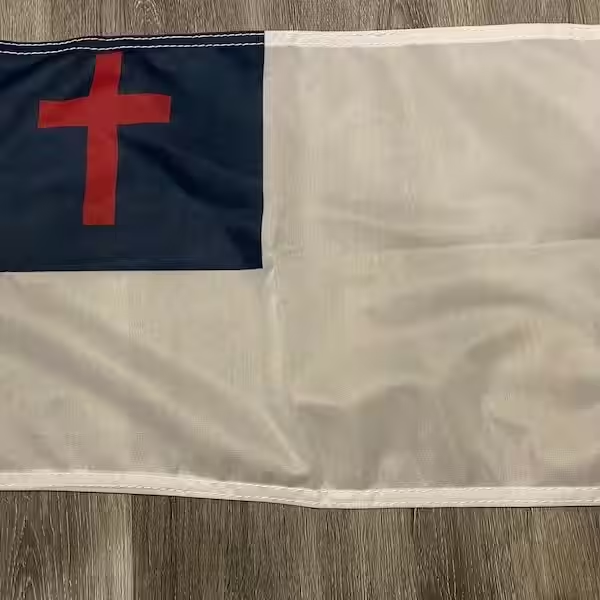
The season of Easter, a cornerstone of Christian faith, is a time of profound reflection, joyous celebration, and spiritual renewal. Amidst the fragrant lilies and the stirring hymns, a visual sentinel often stands prominent: the Easter church banner. More than just decorative fabric, these banners serve as potent symbols, visually communicating the central tenets of this most sacred holiday. They are visual sermons, whispering tales of sacrifice, victory, and the promise of new life that resonates deeply within the hearts of believers.
The significance of an Easter church banner extends beyond its aesthetic appeal. It acts as a focal point, drawing the congregation’s gaze towards the heart of the Easter message. In the quiet anticipation before a service or the jubilant exclamations of an Easter sunrise celebration, the banner stands as a constant reminder of the events that define this period. Its presence helps to sanctify the space and imbue it with the sacred atmosphere of resurrection.
More Than Just Fabric: Understanding the Symbolism of the Easter Church Banner
The visual language of an Easter church banner is rich with meaning, each element carefully chosen to convey aspects of the Easter narrative. Whether it features vibrant imagery or a more minimalist design, the intent is to inspire faith and deepen understanding. These banners are not merely passive decorations; they are active participants in the worship experience, guiding the congregation’s spiritual journey.
Consider the common motifs found on an Easter church banner: the empty tomb, a symbol of Christ’s victory over death; the rising sun, representing new beginnings and the dawn of salvation; or perhaps depictions of the cross, a reminder of the ultimate sacrifice. Even a simple yet elegant design incorporating the colors of spring, like vibrant greens and hopeful yellows, can evoke the theme of resurrection and new life. These visual cues work in concert to reinforce the theological truths being proclaimed from the pulpit.
The Empty Tomb: The Ultimate Symbol of Hope
The image of the empty tomb is perhaps the most powerful and recognizable symbol associated with Easter. On an Easter church banner, this motif immediately speaks to the core of Christian belief: that Jesus Christ, after his crucifixion, rose from the dead. This single, profound event promises believers eternal life and the assurance that death is not the end. The absence of Christ’s physical body from the tomb is the ultimate testament to his divine power and the triumph of life over death.
When a congregation beholds an Easter church banner depicting the empty tomb, it’s a visual affirmation of their faith. Imagine a banner with a softly lit, open tomb, perhaps with rays of light emanating from within. This imagery serves as a beacon of hope, especially for those facing personal trials or losses. It’s a tangible representation of the promise that even in darkness, light and life will prevail. This visual reinforcement can be incredibly comforting and inspiring.
The Cross and Crown: Sacrifice and Victory Intertwined
Another prevalent image on an Easter church banner is the combination of the cross and the crown. The cross represents the suffering and sacrifice Jesus endured for humanity, while the crown symbolizes his victory and reign as King of Kings. This dual symbolism encapsulates the entire Easter narrative: that through suffering comes ultimate triumph, and through sacrifice comes redemption.
An Easter church banner might artistically weave these two symbols together, perhaps with a crown of thorns encircling a radiant cross. This imagery reminds us that salvation was not easily won. It was achieved through immense love and profound selflessness. For congregants, seeing this on the banner can be a powerful reminder to embrace their own challenges with faith, knowing that even in hardship, there is the promise of victory through Christ.
Crafting the Perfect Easter Church Banner: Design Considerations and Impact
The creation of an Easter church banner is an act of devotion in itself, a way for artists and congregations to contribute to the visual splendor of the Easter season. The choice of colors, fonts, and imagery all play a crucial role in the banner’s effectiveness. A well-designed banner can transform a worship space and enhance the spiritual experience of attendees.
When commissioning or creating an Easter church banner, several factors should be considered. Durability is important, as banners are often displayed for several weeks. The size and placement within the church are also critical for maximum visual impact. Ultimately, the goal is to create a banner that is not only beautiful but also deeply meaningful, serving as a constant reminder of the Easter miracle.
Color Palettes: Evoking Spring and Spirituality
The colors chosen for an Easter church banner are not arbitrary; they are carefully selected to evoke specific emotions and theological themes. Bright, hopeful colors are often favored, reflecting the joy and new life associated with the resurrection. Think of lush greens, symbolizing rebirth and growth, or radiant golds and yellows, representing divine light and victory.
Conversely, some banners might incorporate deep purples, symbolizing royalty and the period of Lent leading up to Easter, or pure whites, signifying purity and the resurrection itself. A thoughtful use of color on an Easter church banner can subtly guide the congregation’s emotional response, preparing their hearts for the profound message of hope and renewal. For example, a banner transitioning from a darker, more somber hue to a brilliant white can visually represent the journey from darkness to light.
Typography and Messaging: Words That Inspire
While imagery is vital, the words chosen for an Easter church banner can also be incredibly powerful. Many banners feature short, impactful scripture verses or phrases that encapsulate the Easter message. Phrases like “He is Risen!“, “Alleluia!“, or a simple, yet profound, “Victory!” can serve as powerful affirmations.
The font used on an Easter church banner is also important. A classic, elegant font might convey a sense of tradition and reverence, while a more modern, dynamic font could suggest the vibrant energy of the resurrection. The combination of compelling visuals and well-chosen words on an Easter church banner creates a multi-sensory worship experience that resonates deeply with the faithful.
The Easter Church Banner’s Role in Community and Evangelism
The Easter church banner is not just for internal consumption within the congregation; it also plays a significant role in outreach and evangelism. A beautifully adorned church, with a prominent Easter church banner, can attract visitors and serve as an outward expression of the church’s vibrant faith. It’s a visual invitation, a silent testament to the joy and hope found within.
For those who are new to the Christian faith or perhaps estranged from it, the visual cues provided by an Easter church banner can be a gentle entry point. It offers a glimpse into the core beliefs without requiring prior theological knowledge. The bright colors and hopeful imagery can pique curiosity and encourage individuals to step inside and learn more about the message of Easter.
Welcoming Visitors and Newcomers
The presence of a well-designed Easter church banner can make a church feel more welcoming and inviting to visitors. It signals that the church is actively celebrating this important season and is a place of spiritual significance. This is particularly important during Easter, a time when many people seek out services and a sense of community.
Imagine a family passing by a church and seeing a vibrant Easter church banner proclaiming “He is Risen!”. This simple message, coupled with inviting visuals, might inspire them to stop and attend a service, potentially leading to a new connection with the church and a deeper understanding of the Easter message. The banner acts as a friendly face, drawing people in.
A Public Declaration of Faith
An Easter church banner displayed prominently outside the church is a public declaration of the Christian faith and the joyous news of the resurrection. It serves as a constant reminder to the community, both within and outside the church walls, of the enduring significance of Easter. This public witness can be a powerful force in sharing the Gospel.
This outward facing aspect of the Easter church banner reinforces the church’s role as a beacon of hope in the wider community. It’s a visible testament to the transformative power of faith and the message of renewal that Easter represents. The banner becomes a symbol of shared belief, visible for all to see, and a testament to the enduring power of the Easter story.
Frequently Asked Questions about Easter Church Banners
This section addresses common questions regarding the use and purpose of Easter church banners in a religious context.
What is the purpose of an Easter church banner?
Easter church banners serve as a visual representation of the resurrection of Jesus Christ, a central tenet of Christian faith. They are designed to proclaim the victory of Christ over death and sin, offering a powerful reminder of hope, redemption, and new life to the congregation. Banners can also enhance the festive atmosphere of the sanctuary during the Easter season.
What are common themes and imagery found on Easter church banners?
Common themes include the empty tomb, the cross (often depicted as triumphant or radiant), lilies (symbolizing purity and resurrection), doves (representing the Holy Spirit), light and sunrise (signifying new beginnings), and the ascended Christ. Textual elements often include phrases like “He is Risen,” “Alleluia,” “Christ is Risen,” or scripture verses relating to the resurrection.
What is the religious significance of the colors used on Easter banners?
While specific color meanings can vary slightly by denomination, common interpretations include:
* White and Gold: Represent purity, joy, victory, glory, and the divine presence of Christ.
* Purple: Traditionally associated with royalty and preparation during Lent, it can also signify penitence and mourning leading up to the crucifixion, making the transition to Easter’s joy more profound.
* Green: Often signifies new life, growth, and hope, all central themes of Easter.
* Red: While less common for Easter itself, it can symbolize the blood of Christ and His sacrifice.
How can Easter church banners be used effectively in worship services?
Banners can be hung prominently in the sanctuary where they are easily visible to the congregation, such as behind the altar, on the chancel walls, or near the entrance. They can be used to create a focal point for worship, to announce the Easter season, and to reinforce the sermon’s message. Some churches rotate banners throughout the Easter season, highlighting different aspects of the resurrection narrative.
Are there specific biblical verses or themes that are particularly appropriate for Easter banners?
Yes, many biblical passages are perfect for Easter banners. Some of the most popular include:
* Matthew 28:6: “He is not here; he has risen, just as he said.”
* 1 Corinthians 15:4: “that he was buried, that he was raised on the third day according to the Scriptures.”
* John 11:25: “I am the resurrection and the life. The one who believes in me will live, even though they die.”
* Romans 6:4: “We were therefore buried with him through baptism into death in order that, just as Christ was raised from the dead through the glory of the Father, we too may live a new life.”
* Mark 16:6: “‘Don’t be alarmed,’ he said. ‘You are looking for Jesus the Nazarene, who was crucified. He has risen! He is not here…’”
Can a church use secular Easter imagery on banners?
While Easter has secular associations (like bunnies and eggs), religious Easter banners focus on the theological significance of Christ’s resurrection. It is generally recommended that church banners maintain a focus on sacred imagery to uphold the solemnity and spiritual purpose of the worship space during this important Christian festival.