In the vibrant tapestry of the Catholic Church, threads of tradition, doctrine, and divine love are woven together. While priests and bishops often stand at the forefront, the foundation of much of this spiritual infrastructure is laid by individuals whose dedication is profound, yet often behind the scenes: the Catholic catechist. These are the men and women who answer a unique call to share the teachings of Christ, not just with words, but with their lives. Their impact resonates deeply, shaping not only young minds but also nurturing the faith of adults within their communities. Understanding the role of a Catholic catechist is to appreciate a crucial element of religious education and spiritual growth.
The term “catechist” itself originates from the Greek word “katechein,” meaning “to echo” or “to instruct.” This perfectly encapsulates the essence of their ministry. They are not simply dispensers of information, but active participants in the ongoing dialogue of faith. A Catholic catechist strives to make the timeless truths of Catholicism accessible and relevant to contemporary life, acting as a bridge between ancient wisdom and modern understanding. They are, in many ways, the primary educators of the faith for countless individuals, a responsibility they undertake with immense care and devotion.
The Heart of the Ministry: More Than Just Teaching
The work of a Catholic catechist extends far beyond the confines of a classroom or a formal lesson plan. It is a ministry rooted in relationship, discernment, and a deep personal faith. They are called to embody the teachings they impart, making their own lives a testament to the Gospel message. This lived witness is often the most powerful form of instruction, particularly for those just beginning their journey of faith or those seeking to deepen their understanding.
A significant aspect of being a Catholic catechist involves fostering an environment where questions are encouraged and doubts can be explored. It’s about creating a safe space for spiritual exploration, where individuals feel comfortable asking “why” and seeking clarification. This nurturing approach is essential for building a robust and resilient faith, one that is not easily shaken by life’s inevitable challenges. Think of a gardener tending to delicate seedlings; a Catholic catechist provides the fertile ground, the gentle watering, and the sunlight of understanding that allows faith to flourish.
The Diverse Landscape of Catechesis
The ministry of a Catholic catechist is remarkably diverse, adapting to the specific needs of the communities they serve. Whether it’s preparing children for the Sacraments, guiding teenagers through the complexities of adolescence and faith, or leading adult faith formation sessions, each role demands a unique set of skills and a profound commitment. The common thread, however, remains the unwavering dedication to sharing the beauty and truth of Catholic teaching.
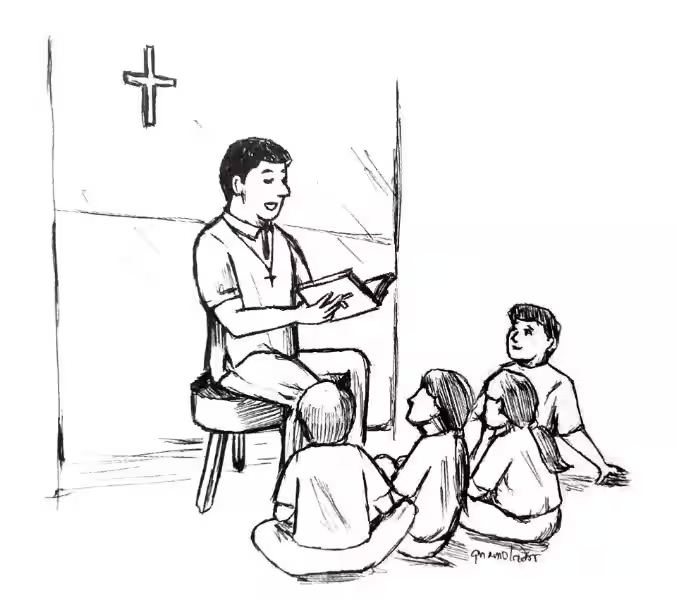
Consider the variety of settings where a Catholic catechist might serve. They could be found in parish halls, leading lively sessions for youngsters eager to learn about saints and scripture. They might be in high school classrooms, facilitating discussions on ethical dilemmas and the Church’s social teachings. Or, they could be in adult study groups, delving into the intricacies of theological concepts and the richness of Catholic tradition. Each of these environments presents distinct opportunities and challenges for the Catholic catechist.
Guiding Young Hearts and Minds: Sacramental Preparation
One of the most visible and impactful roles of a Catholic catechist is guiding children through their sacramental preparation. For many, the journey to receiving First Communion or Confirmation is their first formal engagement with Catholic doctrine and practice. The Catholic catechist plays a pivotal role in making these sacraments meaningful and understandable, transforming abstract concepts into tangible experiences of God’s love.
Imagine a catechist explaining the concept of the Eucharist to a group of seven-year-olds. It’s not just about memorizing facts; it’s about conveying the reverence and mystery of Christ’s presence. A skilled Catholic catechist might use simple analogies, like sharing a special meal with loved ones, to illustrate the significance of the Mass. They create an atmosphere of awe and wonder, helping the children connect with the divine in a way that resonates with their age and understanding. This foundational experience, facilitated by a dedicated Catholic catechist, can shape a lifelong relationship with the Church.
Nurturing Adult Faith: Lifelong Learning and Deepening Understanding
The mission of a Catholic catechist is not confined to childhood. In fact, adult faith formation is an increasingly vital area of ministry. As adults navigate life’s challenges and seek deeper meaning, a Catholic catechist provides resources and guidance for continued spiritual growth. This can involve exploring scripture, understanding Church history, or engaging with contemporary faith issues.
For adults, faith is often less about rote memorization and more about integrating spiritual principles into their daily lives. A Catholic catechist might lead discussions on how to live out the Beatitudes in a demanding workplace or how to approach social justice issues from a Catholic perspective. They offer a space for intellectual engagement and spiritual reflection, encouraging adults to continually deepen their relationship with God. The Catholic catechist acts as a companion on this lifelong journey, offering insights and support.
What makes someone an effective Catholic catechist? It’s a blend of several key qualities, a combination of personal disposition and acquired knowledge. While a solid understanding of Catholic doctrine is essential, it’s the heart and spirit with which they teach that truly makes a difference.
Here are some of the most important qualities of a Catholic catechist:
A Vibrant Personal Faith: This is the bedrock. A Catholic catechist must have a lived, personal relationship with Jesus Christ and a deep love for the Church. Their own faith journey is a powerful witness to others.
Patience and Empathy: Understanding that faith formation is a process, a Catholic catechist needs immense patience, especially when dealing with diverse learning styles and levels of understanding. Empathy allows them to connect with the struggles and joys of those they teach.
Effective Communication Skills: The ability to explain complex theological concepts in clear, accessible language is crucial. A Catholic catechist must be a good listener as well as a good speaker, fostering dialogue and mutual understanding.
Openness to Learning: The world and our understanding of it are constantly evolving. An effective Catholic catechist is committed to their own lifelong learning, seeking to grow in their knowledge of faith and in their ability to share it.
A Sense of Prayerfulness: The ministry of a Catholic catechist is fundamentally a prayerful endeavor. They rely on the Holy Spirit for guidance and inspiration, and they encourage prayer in those they teach.
The dedication of a Catholic catechist is a testament to the enduring power of faith and the Church’s commitment to handing down its rich heritage. They are the quiet heroes, the patient guides, and the passionate advocates who ensure that the light of Christ continues to shine brightly for generations to come. Their work is invaluable, a profound contribution to the spiritual well-being of individuals and the vibrant life of the Catholic Church.
Frequently Asked Questions about Catholic Catechists
What is a Catholic Catechist?
A Catholic catechist is a baptized and confirmed Catholic who is formally appointed and trained to teach the Catholic faith to others. They play a vital role in the Church’s mission of evangelization and formation, sharing the teachings of Jesus Christ and the doctrine of the Catholic Church.
The primary role of a Catholic catechist is to educate and guide individuals in their faith journey. This includes:
Teaching the core beliefs and practices of the Catholic Church.
Preparing individuals for the Sacraments (e.g., Baptism, Confirmation, Eucharist).
Fostering a deeper relationship with God through prayer and scripture.
Helping people to live out their faith in their daily lives.
Providing formation for children, youth, and adults.
Who can become a Catholic Catechist?
Generally, a Catholic catechist should be an active and practicing Catholic in good standing with the Church. Specific requirements may vary by diocese or parish but often include:
Being a baptized and confirmed Catholic.
Living a life in accordance with Catholic teachings.
Having a desire to share the faith.
Undergoing appropriate training and formation.
Being appointed or authorized by their pastor or diocesan leadership.
What kind of training do Catholic Catechists receive?
Training for Catholic catechists can vary but typically includes:
Study of Sacred Scripture and Tradition.
Understanding of Catholic doctrine and moral theology.
Development of teaching methodologies and pedagogical skills.
Formation in prayer and spiritual life.
Knowledge of Church documents and guidelines.
Practical experience in a catechetical setting.
Where do Catholic Catechists serve?
Catholic catechists serve in a variety of settings within the Church, including:
Parish Religious Education (RE) programs for children and youth (often referred to as CCD).
Adult faith formation groups.
Rite of Christian Initiation of Adults (RCIA) programs.
Catholic schools.
Youth ministry programs.
Special needs ministries.
Prison ministry.
What is the difference between a catechist and a priest or deacon?
While priests and deacons are ordained ministers with specific sacramental and pastoral roles, catechists are lay ministers who focus primarily on teaching and spiritual formation. Catechists are essential for the Church’s educational mission, working in collaboration with ordained ministers to help people grow in their faith.
How can I find out more about becoming a Catholic Catechist?
If you are interested in becoming a Catholic catechist, the best place to start is by speaking with your local parish priest or director of religious education. They can provide information on the specific requirements, training programs, and opportunities available in your diocese.