In the vibrant tapestry of faith, the journey of a Catholic is often illuminated by structured learning and communal fellowship. For many, this journey finds its foundational support in Catholic CCD classes. These classes, often referred to as Confraternity of Christian Doctrine or Children’s Catechism, represent a vital arm of parish life, dedicated to passing on the richness of Catholic tradition, doctrine, and the lived experience of faith to children and youth. More than just academic instruction, CCD is a space where young souls are encouraged to explore their relationship with God, understand the teachings of the Church, and develop a sense of belonging within their faith community.
The modern world presents unique challenges and opportunities for faith formation. In an era saturated with information and diverse perspectives, the need for clear, engaging, and relevant religious education is paramount. Catholic CCD classes strive to meet this need, offering a cornerstone for families seeking to instill enduring spiritual values in their children. They are not merely a religious education program; they are a commitment to nurturing the spiritual well-being of the next generation, equipping them with the knowledge and understanding to navigate life with a strong moral compass and a deep connection to their Catholic heritage.
Understanding the Purpose and Value of Catholic CCD Classes
At its core, the purpose of Catholic CCD classes is to catechize, meaning to teach the core tenets of the Catholic faith in a way that fosters both intellectual understanding and spiritual growth. This encompasses a broad spectrum of learning, from the stories of salvation history found in the Bible to the sacraments, the moral teachings of Jesus, and the structure of the Church. It’s about helping children understand who God is, what He has done for us, and how we are called to live in response to His love. For instance, when discussing the Eucharist, CCD might explore not just the ritual but the profound reality of Christ’s presence, making it a tangible and personal concept for a child.
The value of these classes extends far beyond memorizing prayers or doctrines. They provide a consistent and supportive environment where children can ask questions, express doubts, and wrestle with their faith in a safe and guided setting. Many Catholic CCD classes actively encourage dialogue, allowing young people to connect the abstract principles of faith to their everyday lives. This practical application is crucial; it transforms religious education from a theoretical subject into a living, breathing aspect of their identity. Think about how a lesson on the commandment to “love your neighbor” might be translated into discussions about bullying at school or helping a classmate who is struggling – demonstrating the immediate relevance of faith.
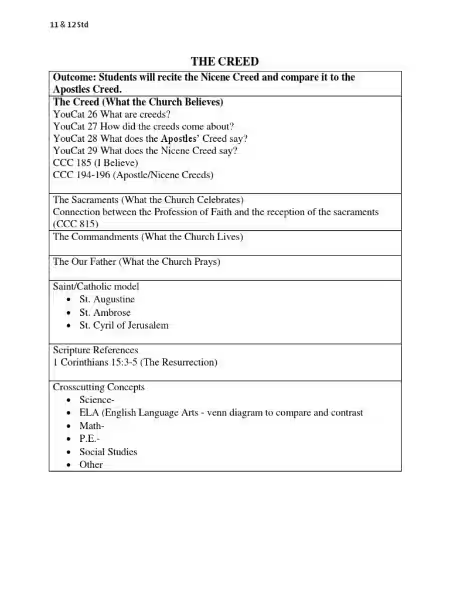
The curriculum for Catholic CCD classes is thoughtfully designed to be age-appropriate, progressively building upon foundational knowledge. Early years often focus on the basics: the sign of the cross, the Our Father, the Hail Mary, and the fundamental stories of creation and Jesus’ life. As children advance through the grades, the content deepens, exploring topics such as the sacraments in more detail, the lives of saints, the structure of the Mass, Catholic social teaching, and the development of the Church. This structured approach ensures that by the time a child reaches the age of receiving Confirmation, they possess a comprehensive understanding of their faith.
A typical Catholic CCD class might incorporate a variety of learning methods to engage different learning styles. This can include storytelling, group discussions, craft activities that illustrate religious concepts, singing hymns, and even short videos. For example, a lesson on the Ten Commandments might involve creating posters illustrating each commandment, or a study of the parables of Jesus could culminate in a short skit. The overarching goal is to make learning about God and His Church an enjoyable and meaningful experience, fostering a lifelong love for the Catholic faith and its rich traditions.
Building Community and Fostering Spiritual Development
One of the most significant benefits of Catholic CCD classes is their role in fostering a sense of community. Within the classroom, children meet peers who share their faith, creating bonds that can extend beyond the parish walls. These shared experiences, whether it’s preparing for a First Communion, participating in a parish service project, or simply learning together each week, help to build a strong foundation of fellowship. This sense of belonging is crucial for young people as they navigate the social complexities of adolescence, providing a supportive network grounded in shared values.
Beyond peer relationships, Catholic CCD classes also serve as a bridge between families and the broader parish community. Parents are often involved, either through volunteering as catechists, helping with special events, or participating in family faith-based activities. This collaborative effort underscores the understanding that faith formation is a shared responsibility, strengthening family ties and reinforcing the importance of religious education at home. This communal aspect is a cornerstone of Catholic life, and CCD classes are a powerful incubator for these vital connections, helping children to see their faith not as an individual pursuit but as a shared journey.
The Role of Catechists: Guides on the Faith Journey
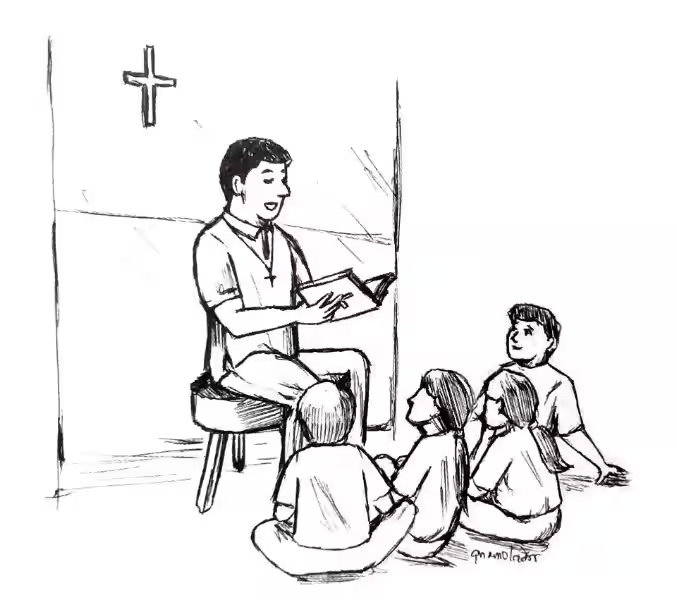
The dedicated individuals who lead Catholic CCD classes are known as catechists. These are not necessarily clergy, but rather lay men and women who have a deep love for their faith and a passion for sharing it with others. They are often parents themselves, bringing a unique understanding of the challenges and joys of raising children in the faith. Their role is multifaceted: they are educators, mentors, and role models, guiding young minds and hearts towards a deeper understanding and love of God.
Becoming a catechist often involves a commitment to ongoing formation, ensuring they are equipped with the latest pedagogical approaches and a solid grounding in Catholic teaching. Their personal witness of faith is perhaps their most powerful tool. A catechist who lives their faith authentically can inspire children in ways that no textbook can. They create an environment of trust and openness, where children feel comfortable asking difficult questions and exploring their spiritual journey. The impact of a dedicated catechist on a child’s faith life can be profound and long-lasting, shaping their understanding and practice of Catholicism for years to come.
Connecting CCD to Sacramental Preparation
A significant aspect of Catholic CCD classes is their integral role in preparing children for the sacraments. For instance, the First Communion and Confirmation programs are meticulously structured within the CCD framework. These classes don’t just teach the rituals; they delve into the theological and spiritual significance of these sacred moments. Children learn about the real presence of Christ in the Eucharist, the gifts of the Holy Spirit, and the responsibilities that come with fully participating in the life of the Church.
The preparation for sacraments like Reconciliation also finds its place within CCD. Through age-appropriate lessons, children learn about sin, God’s mercy, and the process of confession, making this often-intimidating sacrament accessible and understandable. The goal is to ensure that when a child approaches these milestones, they do so with a genuine understanding and a prepared heart, rather than simply fulfilling an obligation. This holistic approach, integrating doctrinal teaching with spiritual readiness, is a hallmark of effective Catholic CCD classes.
Beyond Childhood: Lifelong Faith Formation
While Catholic CCD classes are primarily associated with childhood and adolescence, the concept of ongoing faith formation is vital for Catholics of all ages. Many parishes offer adult education programs, Bible studies, and small faith groups that continue the journey of learning and spiritual growth initiated in CCD. These programs provide opportunities for adults to deepen their understanding of faith, engage in meaningful discussions, and connect with fellow believers.
The foundation laid in Catholic CCD classes is intended to be a springboard for a lifelong relationship with God. It equips individuals with the knowledge and tools to continue their faith exploration throughout their lives. Whether it’s through further study, prayer, participation in parish life, or acts of service, the commitment to growing in faith is a continuous process. These classes, therefore, are not an endpoint but a crucial starting point for a rich and fulfilling spiritual life within the Catholic tradition.
Frequently Asked Questions About Catholic CCD Classes
What is CCD?
CCD stands for Confraternity of Christian Doctrine. It is the term commonly used in the Catholic Church for religious education classes for children and youth.
What is the purpose of CCD classes?
The primary purpose of CCD classes is to teach children and youth about the Catholic faith, its beliefs, traditions, and practices. It aims to help them grow in their relationship with God and become active, informed members of the Church.
CCD classes generally cover children from kindergarten through high school. The curriculum is tailored to the age and developmental stage of the students.
What topics are covered in CCD classes?
Topics typically include:
The life of Jesus Christ
The Holy Trinity
The Sacraments (Baptism, Confirmation, Eucharist, Reconciliation, Anointing of the Sick, Holy Orders, Matrimony)
The Ten Commandments
The Beatitudes
The importance of prayer
Catholic social teaching
The lives of saints
The history of the Church
How often do CCD classes meet?
CCD classes usually meet once a week, typically on a weekday afternoon or evening, or on Sunday mornings before or after Mass. The frequency can vary by parish.
Who teaches CCD classes?
CCD classes are typically taught by trained volunteer catechists. These are often parents or parishioners who have a strong understanding of the Catholic faith and a desire to share it with young people. Priests and deacons may also be involved in teaching or overseeing the program.
Are CCD classes mandatory for Catholic children?
While not strictly mandatory in the sense of a legal requirement, CCD classes are considered an essential part of a Catholic child’s formation. Consistent participation is highly encouraged by the Church for a well-rounded understanding and practice of the faith.
What is the difference between CCD and Catholic school?
Catholic schools offer a comprehensive academic education that includes religious instruction integrated into the curriculum. CCD classes are dedicated solely to religious education and are typically held outside of regular school hours.
What if my child has not attended CCD before? Can they still join?
Yes, most parishes welcome children of all ages and backgrounds into their CCD programs. There may be specific programs or catch-up classes for older children who are new to religious education.
What are the benefits of attending CCD?
Attending CCD classes can help children:
Develop a strong foundation in their Catholic faith.
Understand and appreciate the teachings of the Church.
Prepare for the Sacraments of Reconciliation, Eucharist, and Confirmation.
Build a sense of community with other Catholic children and families.
Grow in their personal relationship with God.
How do I find out about CCD classes at my local parish?
You can typically find information about CCD classes by contacting your local Catholic parish office or visiting their website. They will be able to provide details about registration, schedules, and curriculum.