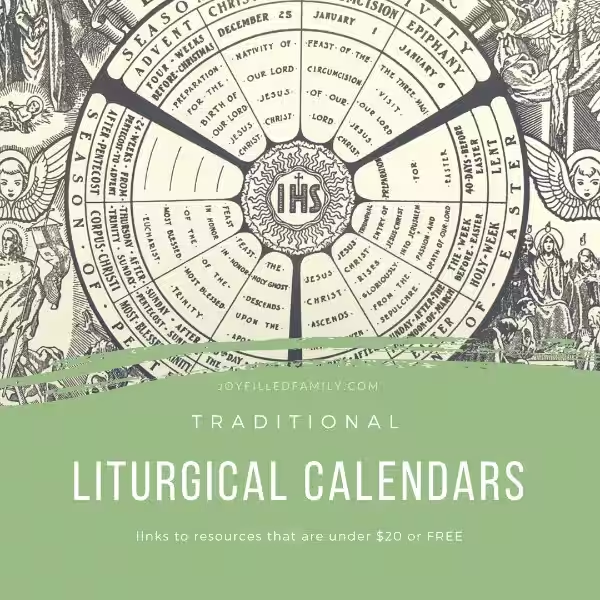
The rhythm of life for Catholics isn’t dictated solely by the ticking of clocks or the changing of seasons, but by a profound and beautiful cycle known as the Catholic Church Year. This liturgical calendar is far more than a mere succession of days; it’s a vibrant tapestry woven with threads of scripture, tradition, and the lived experience of faith. Understanding the Catholic Church Year offers a unique lens through which to view the entirety of the Christian story, from the humble beginnings of creation to the ultimate promise of eternal life. It’s a journey that invites us to participate actively, not just observe from afar, shaping our spiritual lives and fostering a deeper connection with God and the community of believers.
This annual unfolding of feasts, fasts, and seasons provides a framework for encountering God in a myriad of ways throughout the religion. It’s a deliberate and often repeated immersion into the mysteries of Christ, allowing us to internalize His teachings and emulate His life. Whether you’re a lifelong Catholic looking to deepen your appreciation or someone new to the faith curious about its structure, exploring the Catholic Church Year promises to be an enriching and illuminating experience. Let’s embark on this spiritual pilgrimage together, discovering the profound significance of each turn of the liturgical wheel.
The Foundation: Advent and the Preparation for Christmas
The Catholic Church Year begins not with the bright jingle of Christmas bells, but with a period of quiet anticipation: Advent. This season, typically spanning four weeks before Christmas, is characterized by introspection, hope, and a deep longing for the coming of Christ. It’s a time for penance and preparation, mirroring the centuries of waiting that preceded Jesus’ birth. Think of it like waiting for a beloved guest to arrive; you clean your house, prepare a special meal, and anticipate their presence with joy. Advent encourages us to prepare our hearts and minds for the arrival of the King of Kings.
During Advent, the readings and prayers often focus on themes of prophecy, repentance, and the coming of the Messiah. We hear echoes of Isaiah’s prophecies and John the Baptist’s call to prepare the way. The Advent wreath, with its four candles representing hope, peace, joy, and love, becomes a focal point in many homes and churches, with a new candle lit each week. This gradual illumination symbolizes the growing light of Christ entering the world. It’s a season of looking forward, both to the historical event of the Incarnation and to Christ’s second coming, encouraging us to live in a state of readiness and faithfulness.
The Joyful Climax: Christmas and the Incarnation of God
Following the reflective period of Advent, the Catholic Church Year bursts into glorious celebration with Christmas. This is the feast of the Incarnation, celebrating the belief that God became man in the person of Jesus Christ. The season of Christmas, which traditionally extends for twelve days, is a time of immense joy, marked by festive Masses, carols, and a profound sense of wonder at God’s love for humanity. It’s the unveiling of the divine mystery, the moment when heaven and earth meet in the most intimate way possible.
The narrative of Christmas is central to the Christian faith, reminding us of God’s humility in choosing to be born in poverty, a stark contrast to worldly power and grandeur. The Nativity scene, depicting the infant Jesus in the manger surrounded by Mary, Joseph, shepherds, and wise men, is a powerful visual representation of this humbling act of love. This season invites us to reflect on the implications of God becoming one of us, bringing light into darkness and offering salvation. The joy of Christmas is not fleeting; it’s a profound truth that continues to resonate throughout the year, reminding us of our divine adoption and the boundless love of God.
The Season of Reflection: Ordinary Time and the Life of Christ
After the high points of Christmas and Epiphany, the Catholic Church Year transitions into a significant stretch known as Ordinary Time. This period, which is divided into two parts (one after Epiphany and another after Pentecost), is where the life and teachings of Jesus are explored in a more pastoral and practical way. The term “Ordinary” doesn’t imply mundane or boring; rather, it refers to the weeks being “numbered” or “ordered” according to their sequence in the calendar. It’s the foundational period where we are invited to deeply understand and live out the Gospel.
During Ordinary Time, the Church focuses on the public ministry of Jesus. We hear parables that reveal the nature of the Kingdom of God, witness His miracles that demonstrate His power and compassion, and learn from His teachings on love, forgiveness, and discipleship. This season is about integrating Christ’s message into our daily lives, transforming the ordinary into the extraordinary through faith. Think of it as a continuous formation, where the principles and practices of our religion are consistently presented, allowing us to grow in our understanding and commitment to living a Christ-centered life. This is where the rubber meets the road, where the celebrations of the major feasts find their practical application.
The Lenten Journey: Penance, Prayer, and Almsgiving
As the Church prepares for the ultimate sacrifice and resurrection of Christ, it enters the solemn season of Lent. This forty-day period, beginning on Ash Wednesday and culminating in Holy Week, is a profound time of penance, prayer, and almsgiving. It’s a spiritual detox, a chance to shed the spiritual “clutter” that can accumulate in our lives and to draw closer to God through intensified spiritual discipline. The number forty is significant, echoing the forty days Jesus spent in the desert fasting and being tempted by the devil, a period of intense spiritual trial and preparation.
During Lent, Catholics are encouraged to engage in practices that foster spiritual growth. This often includes fasting from certain foods or activities, dedicating more time to prayer and reflection, and practicing almsgiving, which involves acts of charity and generosity towards those in need. The imposition of ashes on Ash Wednesday, forming a cross on the forehead as a reminder that “from dust you are, and to dust you shall return,” is a powerful symbol of our mortality and our need for God’s mercy. Lent is a journey of self-denial that ultimately leads to a deeper appreciation for the sacrifice of Jesus and the promise of new life offered through His resurrection.
The Heart of the Faith: Holy Week and the Paschal Mystery
The climax of the Catholic Church Year arrives with Holy Week, the most sacred period in the liturgical calendar. This week, which begins with Palm Sunday and encompasses Maundy Thursday, Good Friday, and Holy Saturday, commemorates the final days of Jesus’ earthly life, His suffering, death, and burial. It is the heart of the Christian faith, the fulfillment of the Old Testament promises and the foundation upon which our salvation rests. Each day of Holy Week is rich with symbolic meaning and profound liturgical observances.
Palm Sunday commemorates Jesus’ triumphant entry into Jerusalem, where crowds hailed Him as king, waving palm branches. Maundy Thursday recalls the Last Supper, Jesus’ final meal with His disciples, where He instituted the Eucharist and the priesthood. Good Friday is a day of solemn remembrance of Jesus’ crucifixion and death, a stark and poignant reminder of His sacrifice for humanity. Holy Saturday is a day of quiet anticipation, the Church waiting in prayer and silence for the glorious event of the Resurrection. This entire week is an invitation to walk with Christ through His Passion, to understand the depth of His love and the redemptive power of His sacrifice.
The Glorious Victory: Easter and the Resurrection of Christ
The culmination of the Lenten journey and Holy Week is the joyous feast of Easter. This is the celebration of Christ’s resurrection from the dead, the ultimate victory over sin and death. The Easter Vigil, celebrated on the night before Easter Sunday, is the most important liturgy of the year, a powerful testament to the triumph of light over darkness. It is a profound moment when the Church proclaims, “Alleluia! Christ is Risen!” The echoes of this proclamation reverberate throughout the Easter season, which extends for fifty days, culminating in Pentecost.
Easter is not just a historical event; it is a living reality that continues to transform lives. The resurrection signifies hope, new life, and the promise of eternal life for all who believe. The Easter season is a time of immense joy and profound thanksgiving, as we celebrate the foundational truth of our faith. It challenges us to live lives transformed by this victory, to be witnesses of Christ’s love and mercy in the world, and to embrace the newness of life He offers. The joy of Easter is the bedrock of our religion, a constant reminder of God’s power and His unwavering love for His creation.
The Continuing Mission: Pentecost and the Holy Spirit
Following the joy of Easter, the Catholic Church Year moves towards the celebration of Pentecost. This feast, celebrated fifty days after Easter, commemorates the descent of the Holy Spirit upon the Apostles. It is often referred to as the “birthday of the Church,” as it marks the moment when the Holy Spirit empowered the disciples to go forth and spread the Gospel to all nations. The vivid imagery of tongues of fire and a rushing wind symbolizes the powerful presence and transformative action of the Holy Spirit.
Pentecost signifies the continuation of Christ’s mission through His Church, empowered by the Holy Spirit. This divine presence guides, strengthens, and inspires believers, enabling them to live out their faith and to be witnesses of Christ’s love. The gift of the Holy Spirit is what allows us to understand and live the teachings of Jesus, to persevere through challenges, and to build a vibrant community of faith. This feast marks the transition back into another period of Ordinary Time, but now with the understanding that we are not alone in our journey; we are guided and empowered by the very Spirit of God, making the ongoing practice of our religion a dynamic and active participation in God’s work in the world.
The Cycle Continues: Saints, Feasts, and the Communion of Saints
Woven throughout the fabric of the Catholic Church Year are the feasts and memorials of saints. These days honor individuals who have lived lives of exceptional holiness and faithfulness, serving as role models and intercessors for the Church. From the major feasts of Mary, the Mother of God, and the Apostles, to the countless lesser-known saints, these celebrations remind us that holiness is attainable and that we are part of a vast spiritual family, the Communion of Saints, spanning across time and space.
These feasts offer opportunities to learn about the lives of these holy men and women, drawing inspiration from their virtues and their struggles. They also serve as a reminder that the Church is a living body, connected not only to those alive today but also to all those who have gone before us in faith. The Catholic Church Year, with its rich tapestry of seasons, feasts, and the veneration of saints, provides a structured yet dynamic path for spiritual growth, inviting us to deepen our relationship with God and to live out our faith with renewed purpose and devotion throughout every stage of our religious journey.
Frequently Asked Questions about the Catholic Church Year
What is the Catholic Church Year?
The Catholic Church Year, also known as the Liturgical Year, marks the cycle of feasts and seasons that the Church celebrates throughout the year. It is a way to commemorate the key events in the life of Jesus Christ and the history of salvation.
What are the main seasons of the Catholic Church Year?
The four main seasons of the Catholic Church Year are: Advent, Christmas, Lent, and Easter. These are punctuated by Ordinary Time.
What is Advent?
Advent is the season that begins four Sundays before Christmas. It is a time of preparation and anticipation for the celebration of the birth of Jesus. It is marked by themes of hope, peace, joy, and love.
What is Christmas?
Christmas is the season that celebrates the nativity of Jesus Christ. It begins on Christmas Day (December 25th) and typically lasts until the Feast of the Baptism of the Lord, the Sunday after Epiphany.
What is Lent?
Lent is a penitential season of preparation for Easter. It begins on Ash Wednesday and lasts for 40 days (excluding Sundays). It is a time for prayer, fasting, and almsgiving, and is often associated with repentance and spiritual renewal.
What is Easter?
Easter is the most important feast in the Christian calendar, celebrating the resurrection of Jesus Christ from the dead. The Easter season begins on Easter Sunday and lasts for 50 days, culminating in the Feast of Pentecost.
What is Ordinary Time?
Ordinary Time refers to the periods of the liturgical year that are not part of the major seasons of Advent, Christmas, Lent, or Easter. It is divided into two parts: the time after Pentecost and the time before Advent. These periods focus on the life and teachings of Jesus.
What are Feasts and Solemnities?
Besides the main seasons, the Catholic Church Year includes numerous feasts and solemnities that commemorate important saints, events in the life of Mary, or other significant aspects of the faith. Solemnities are the highest rank of liturgical celebrations.
How does the Church Year help Catholics in their faith?
The Catholic Church Year provides a framework for Catholics to deepen their understanding of their faith, to pray and reflect on the mysteries of salvation, and to live out their Christian calling throughout the year. It helps them to connect with God’s saving actions in history and in their own lives.