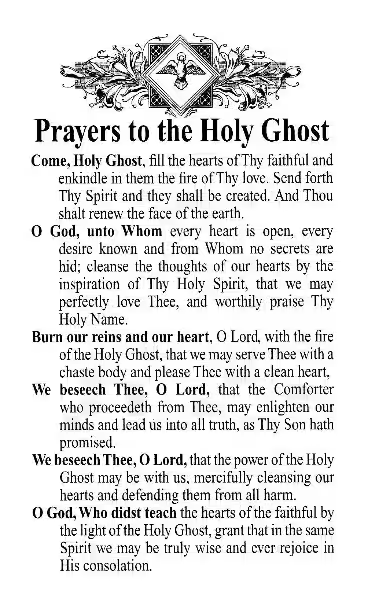
In the tapestry of religious life, there are moments when we yearn for something more, a deeper connection, a guiding light to illuminate our path. This yearning often finds its most profound expression in prayer, and for many, the invocation, “Come, O Holy Spirit,” serves as a powerful gateway to divine presence and transformative grace. This sacred plea isn’t just a series of words; it’s an invitation, a surrender, and a profound act of faith that resonates across diverse religious traditions, offering solace, wisdom, and strength.
The Holy Spirit, a central figure in Christian theology and recognized in various forms across other faiths as divine inspiration or a guiding force, represents God’s active presence in the world and within our lives. When we utter the prayer “Come, O Holy Spirit,” we are reaching out, acknowledging our dependence on this divine power to enlighten our minds, inflame our hearts, and empower our actions. This article will explore the multifaceted significance of this prayer, its practical applications in navigating life’s challenges, and how it can foster a richer, more meaningful religious experience.
Understanding the Divine Invitation: What “Come, O Holy Spirit” Truly Means
The words “Come, O Holy Spirit” are more than just a petition; they are an acknowledgment of our limitations and an eager anticipation of divine intervention. In essence, we are recognizing that human wisdom, strength, and understanding, while valuable, are often insufficient to navigate the complexities of life, the intricacies of faith, and the calls to love and service. By inviting the Holy Spirit, we are opening ourselves to a source of power and knowledge that transcends our own.
Think of it like preparing a receptive soil for planting. We can sow the seeds of our intentions, our prayers, and our desires, but without the nurturing rain and the illuminating sunshine, growth is limited. Similarly, when we pray “Come, O Holy Spirit,” we are preparing our hearts and minds to receive the divine “rain” of inspiration and the “sunshine” of divine truth. This prayer is a conscious act of humility, recognizing that true spiritual growth and understanding come not solely from our efforts, but from the active, life-giving presence of God’s Spirit.
The Seven Gifts of the Holy Spirit: A Foundation for Spiritual Growth
The tradition of the “Come, O Holy Spirit” prayer is deeply intertwined with the understanding of the seven gifts of the Holy Spirit, as described in Isaiah 11:2-3. These gifts are not earned but are freely bestowed upon believers to equip them for a life of faith and witness. When we pray for the Spirit to come, we are implicitly or explicitly asking for these graces to be manifest in our lives.
Wisdom: The ability to see things from God’s perspective, discerning what is truly important and eternal.
Understanding: A deeper insight into the mysteries of faith and the teachings of scripture.
Counsel: Divine guidance in making sound decisions and advising others.
Fortitude: Courage and strength to face challenges, uphold justice, and remain steadfast in faith.
Knowledge: A clear comprehension of God’s will and the truths of salvation.
Piety: A devoted reverence for God and a filial love for Him as our Father.
Fear of the Lord: A reverential awe and respect for God’s majesty, leading us to turn away from sin.
Invoking “Come, O Holy Spirit” can be seen as cultivating the fertile ground within our souls where these seven gifts can take root and flourish. For instance, when facing a difficult ethical dilemma, a prayer of “Come, O Holy Spirit, grant me counsel” can open our minds to the right course of action, guided by divine wisdom rather than our own limited perspective. Similarly, in times of fear or persecution, a plea for fortitude can imbue us with the courage to stand firm in our convictions.
Navigating Life’s Crossroads with Divine Guidance
Life is a journey filled with unexpected turns, challenging decisions, and moments of profound uncertainty. Whether we are grappling with career choices, relationship struggles, or existential questions, the clarity and direction offered by the Holy Spirit are invaluable. The prayer, “Come, O Holy Spirit, guide my steps,” becomes a constant companion, a beacon in the fog of doubt.
Consider a young adult at a crossroads, unsure of their vocational path. They might spend hours weighing pros and cons, seeking advice from friends and mentors, yet still feeling a sense of unease. In such moments, a heartfelt “Come, O Holy Spirit, illuminate my path” can shift their focus from purely analytical reasoning to a deeper, intuitive discernment. This isn’t about abandoning reason, but about integrating it with divine insight. The Spirit might inspire a profound sense of peace about one direction, or a subtle prompt that leads them to explore an avenue they hadn’t previously considered.
Strengthening Faith in Times of Trial
Adversity is an inevitable part of the human experience, and for those of faith, it can test the very foundations of their beliefs. Sickness, loss, or injustice can shake our confidence and leave us questioning God’s presence or plan. It is in these moments of profound vulnerability that the prayer, “Come, O Holy Spirit, sustain me,” becomes a lifeline.
Imagine a parent whose child is facing a serious illness. The emotional toll is immense, and the fear can be overwhelming. While medical professionals offer their expertise, the spiritual need for strength and hope is equally critical. A repeated “Come, O Holy Spirit, fill me with Your peace” can be a source of incredible resilience. This prayer doesn’t necessarily remove the suffering, but it can provide the inner fortitude to endure it with grace, to find hope in the midst of despair, and to maintain trust in a divine plan that may not be immediately apparent. This spiritual sustenance allows individuals to continue ministering to their loved ones with unwavering love and dedication, even when their own strength is depleted.
Inspiring Creativity, Service, and Deeper Love
The Holy Spirit is not only a source of guidance and strength but also a wellspring of inspiration. This divine spark can ignite creativity in all its forms, from artistic expression to innovative problem-solving. Furthermore, the Spirit empowers us to live lives of selfless service and profound love, reflecting God’s own nature.
For the artist struggling with a creative block, a prayer of “Come, O Holy Spirit, inspire my work” can unlock new perspectives and infuse their creations with divine beauty. Similarly, for someone feeling called to serve their community but unsure how to begin, a simple invocation like “Come, O Holy Spirit, show me how to love” can reveal opportunities for compassion and action, transforming their desire to help into tangible, impactful deeds. This might manifest as a sudden idea for a community project, or a gentle nudge to offer a listening ear to a struggling neighbor.
Cultivating a More Vibrant Religious Life
Ultimately, the consistent practice of praying “Come, O Holy Spirit” can lead to a more vibrant, personal, and transformative religious life. It moves faith from a set of doctrines and rituals to a dynamic, living relationship with the divine. By actively inviting the Spirit, we are fostering an environment where spiritual growth is not only possible but inevitable.
This prayer is particularly relevant in the context of religious education and spiritual formation. When teachers and students alike begin a lesson or study with “Come, O Holy Spirit, grant us understanding,” the atmosphere of learning is immediately elevated. It signifies a shared intention to seek truth and to be open to divine revelation, making the pursuit of knowledge a sacred endeavor. Similarly, in moments of communal worship or personal reflection, the prayer invites a deeper encounter with God, fostering a sense of presence and connection that enriches the soul and strengthens the bonds of faith within a religious community.
In conclusion, the prayer “Come, O Holy Spirit” is a profound and multifaceted invocation that offers a pathway to divine guidance, unwavering strength, and transformative inspiration. It is a testament to our human desire for connection with the sacred and a powerful tool for navigating the complexities of life with faith, courage, and love. By regularly incorporating this prayer into our spiritual practice, we open ourselves to the boundless gifts of God’s Spirit, leading to a richer, more meaningful, and eternally impactful religious journey.
Frequently Asked Questions about the Come, O Holy Spirit Prayer
What is the “Come, O Holy Spirit” prayer?
The “Come, O Holy Spirit” prayer is a devotional prayer that asks for the presence and guidance of the Holy Spirit, the third person of the Trinity in Christianity. It’s a petition for divine inspiration, comfort, strength, and wisdom.
What is the religious context of this prayer?
This prayer is rooted in Christian theology, specifically within traditions that emphasize the role and personhood of the Holy Spirit. It is commonly used in Catholicism, Orthodox Christianity, and various Protestant denominations.
When is this prayer typically used?
This prayer can be used at various times. It’s often prayed before important decisions, during times of need or uncertainty, for personal spiritual growth, before studying scripture, or as part of communal worship, especially during Pentecost.
What are the key themes or intentions of this prayer?
The prayer typically invokes the Holy Spirit to descend upon the individual or community, to illuminate the mind, to strengthen the will, to comfort the heart, and to guide one’s actions according to God’s will. It seeks a deeper connection with the divine.
Are there specific versions or formulations of this prayer?
While the essence of the prayer is consistent, there can be variations in wording. A very common and traditional formulation is the “Veni Sancte Spiritus” (Come, Holy Spirit) in Latin, which has inspired many English translations and paraphrases.
What is the significance of the Holy Spirit in this prayer?
In Christian belief, the Holy Spirit is considered the active presence of God in the world and in the lives of believers. This prayer acknowledges the Spirit’s power to transform, sanctify, and empower, and seeks to receive these gifts.