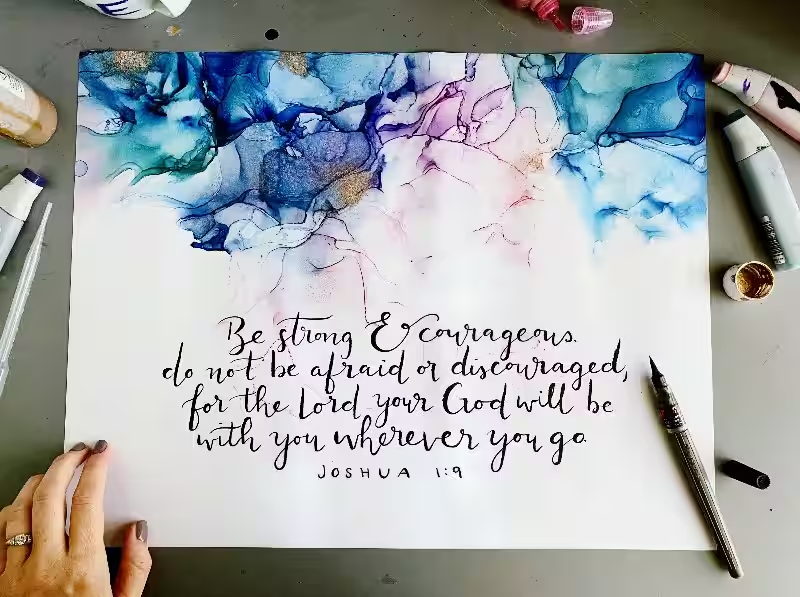
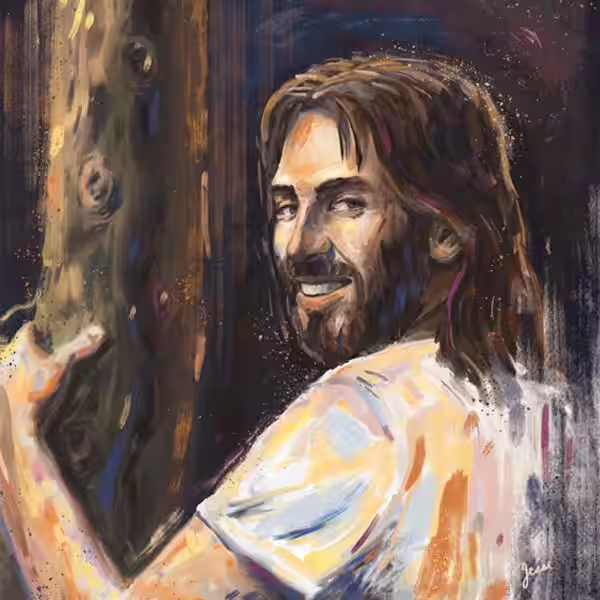
In the quiet contemplation of a sanctuary, or the bustling energy of a modern art gallery, a unique form of artistic expression often bridges the gap between the visual and the spiritual: verse painting. This captivating art form doesn’t just depict religious scenes; it invites viewers to hear the verses, feel the narratives, and connect with the divine on a profound level. For centuries, artists have employed pigments and brushes not merely to illustrate scripture, but to translate the resonant power of sacred texts into a visual language that speaks directly to the soul.
Verse painting is more than just a religious illustration; it’s a visual exegesis, a devotional dialogue, where the artist acts as a conduit, translating the timeless wisdom and profound emotions embedded within sacred verses into tangible, breathtaking imagery. The interplay between the written word and the painted form creates a symbiotic relationship, enhancing the understanding and impact of both. Whether it’s a grand altarpiece or an intimate illuminated manuscript, verse painting offers a unique pathway to engaging with faith.
Unveiling the Divine Narrative: The Essence of Verse Painting
At its core, verse painting is the art of translating sacred texts into visual form. This isn’t simply about illustrating a story from the Bible, the Quran, the Torah, or any other holy book; it’s about capturing the essence, the emotion, and the spiritual significance of those verses. Imagine a painter tasked with depicting the creation story. They might not just show Adam and Eve, but also imbue the canvas with the vibrant hues of nascent light, the swirling energy of primal matter, and the palpable sense of divine breath, all inspired by the Genesis verses.
The effectiveness of verse painting lies in its ability to evoke a visceral response. When we look at a depiction of Jesus’s crucifixion, for instance, a skilled artist employing verse painting techniques won’t just show the physical suffering. They will aim to convey the sacrifice, the redemption, and the profound love that the scriptures describe. This is achieved through the strategic use of color, light, composition, and symbolism, all carefully chosen to resonate with the spiritual message of the verse. This deliberate approach transforms a static image into an active invitation to meditate and reflect.
The Artist as Interpreter: Bringing Sacred Words to Life
The artist who undertakes verse painting acts as a sophisticated interpreter, bridging the gap between the abstract nature of divine revelation and the concrete experience of the viewer. They must possess not only technical mastery but also a deep understanding and reverence for the source material. A painter creating a verse painting of the Sermon on the Mount, for example, would carefully consider not just the figures of Jesus and his disciples, but also the atmosphere of peace, the sense of moral guidance, and the universal applicability of the teachings presented in the verses.
This interpretive role allows for diverse expressions of faith. A contemporary artist might approach a well-known biblical passage with a fresh perspective, using modern symbolism or abstract forms to convey its enduring meaning. Conversely, an artist working centuries ago, using traditional iconography, would have aimed to communicate timeless truths to their community. The key is that the visual translation remains faithful to the spirit of the scripture, offering a unique lens through which to experience spiritual truths.
Historical Tapestries of Faith: Verse Painting Through the Ages
The practice of verse painting has a rich and varied history, deeply intertwined with the development of religious traditions and artistic movements. From the earliest illuminated manuscripts of the Bible to the grand frescoes adorning European cathedrals, artists have consistently turned to sacred texts for inspiration, using their skills to amplify devotion and educate the faithful. These early works were not just decorative; they were essential tools for teaching, especially in eras when literacy was limited.
Consider the Book of Kells, an exquisite example of early medieval Irish verse painting. Here, the intricate knotwork, vibrant colors, and stylized figures not only beautify the Gospels but also serve to emphasize the sacredness of the text, inviting a sense of awe and wonder. Later, during the Renaissance, artists like Michelangelo and Leonardo da Vinci brought new levels of naturalism and emotional depth to biblical narratives in their fresco cycles, essentially creating monumental verse paintings that continue to inspire millions. Each stroke of their brush was a meditation on the divine word.
Illuminated Manuscripts: Jewels of Devotional Art
Illuminated manuscripts represent a golden age of verse painting, where the written word and intricate illustration were inseparable and equally revered. These precious books, often commissioned by royalty or wealthy patrons, were not merely Bibles or Books of Hours; they were masterpieces of craftsmanship and devotion. The margins would teem with symbolic imagery, the initial letters of chapters would bloom into elaborate designs, and entire pages would be dedicated to breathtaking depictions of key scriptural events, all meticulously crafted.
These manuscripts served a dual purpose: to preserve sacred knowledge and to inspire spiritual contemplation. Imagine a monk painstakingly illuminating a passage about the Annunciation. They would not only render the angel Gabriel and Mary with exquisite detail but might also surround them with symbolic flora and fauna, each element carrying layers of theological meaning, transforming the page into a miniature universe of spiritual significance. The dedicated artistry itself became a form of prayer.
Renaissance and Beyond: New Dimensions in Faith Visualized
The Renaissance brought a renewed focus on humanism and naturalism, profoundly influencing verse painting. Artists began to depict biblical figures with greater anatomical accuracy and emotional realism, making the sacred narratives feel more relatable and human. The Sistine Chapel ceiling, for instance, is a monumental work of verse painting, where Michelangelo’s powerful figures and dramatic compositions breathe life into stories from Genesis, rendering them with an unprecedented sense of power and presence.
As art evolved, so did the approaches to verse painting. Baroque artists embraced drama and emotion, using intense light and shadow to heighten the spiritual impact of their religious scenes. Later movements, like Symbolism, explored more abstract and evocative interpretations of faith. Regardless of the style, the underlying principle remained the same: to translate the profound truths of scripture into compelling visual experiences, offering viewers a tangible connection to the divine.
The Modern Resonance: Verse Painting in Contemporary Faith
In the 21st century, verse painting continues to thrive, adapting to new mediums and cultural contexts. While traditional forms like oil painting and fresco still hold sway, artists are now exploring digital art, mixed media, and even performance art to interpret sacred texts. This evolution ensures that the power of verse painting remains relevant and accessible to a contemporary audience. The digital canvas offers new possibilities for dynamic storytelling and interactive spiritual engagement.
Contemporary verse painting often tackles complex theological questions and societal issues through the lens of religious narratives. An artist might create a piece inspired by a verse about compassion, depicting it through the lens of modern refugee crises, for example. This demonstrates how verse painting can be a potent tool for social commentary and spiritual advocacy, transforming ancient wisdom into relevant messages for today’s world. The power of the verse remains the guiding force, even as the artistic expression diversifies.
Digital Devotion: New Frontiers for Sacred Art
The advent of digital technology has opened up exciting new avenues for verse painting. Digital artists can now create dynamic and interactive artworks that respond to viewer input, offering personalized spiritual journeys. Imagine an interactive digital piece that allows a viewer to explore different interpretations of a psalm, with the visuals shifting and evolving based on their choices. This blurs the lines between observer and participant, fostering a deeper personal connection.
Furthermore, digital platforms allow for the wider dissemination of verse painting, making sacred art accessible to a global audience. Online galleries, virtual exhibitions, and social media campaigns can bring these powerful visual interpretations of faith to people who might never set foot in a traditional museum or church. This accessibility democratizes spiritual art, making its illuminating power available to all.
Personal Expression and Collective Spirituality: Verse Painting Today
Today, verse painting is not confined to grand public commissions. Many individuals also engage with this art form on a personal level, creating works for their own spiritual practice or for intimate community spaces. Hobbyists and amateur artists, inspired by their faith, can find profound fulfillment in translating verses that resonate with them into visual form. This democratization of creativity allows for a more personal and diverse expression of spirituality.
Ultimately, verse painting, in all its historical and contemporary manifestations, serves as a powerful testament to the enduring human desire to connect with the divine. By transforming sacred words into visual experiences, artists invite us to see, to feel, and to understand our faith in new and profound ways. It is a reminder that the spiritual journey can be a beautiful and deeply personal artistic endeavor.
Frequently Asked Questions about Verse Painting and Religion
What is verse painting?
Verse painting is a genre of painting that illustrates or is inspired by a specific poem or literary text. It seeks to capture the mood, imagery, narrative, or themes of the written word through visual art.
How does religion influence verse painting?
Religion can profoundly influence verse painting in several ways:
Subject Matter: Many verse paintings are directly inspired by religious texts such as the Bible, the Quran, the Bhagavad Gita, or other sacred scriptures. These works often depict specific stories, parables, figures, or theological concepts from these religions.
Symbolism: Religious iconography and symbolism are frequently employed in verse paintings. Artists may use specific colors, objects, or gestures to represent religious ideas, virtues, sins, or deities.
Devotional Purpose: Some verse paintings are created with a devotional intent, aiming to aid in prayer, meditation, or contemplation of religious themes and figures.
Interpretation of Sacred Texts: Verse painting can offer a visual interpretation of religious narratives, sometimes emphasizing particular aspects or conveying a specific theological perspective.
Cultural and Historical Context: The religious traditions prevalent in a particular culture or historical period often shape the style, subject matter, and overall approach of its verse paintings.
Can verse paintings be considered religious art?
Yes, verse paintings can absolutely be considered religious art, especially when their subject matter, themes, or inspiration is drawn from religious texts, beliefs, or practices. When a painting visually interprets a sacred poem or scripture, it functions as a visual manifestation of religious ideas and can serve devotional, didactic, or contemplative purposes.