The Enduring Power of Sacred Art in the Modern World
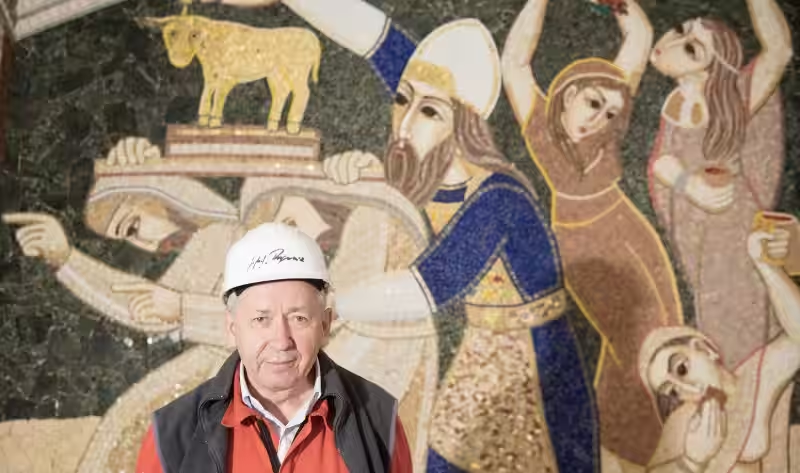
In a world often characterized by fleeting trends and ephemeral digital experiences, the enduring power of sacred art remains a constant beacon. It speaks a language that transcends time, culture, and individual circumstance, connecting us to something larger than ourselves. This is particularly true when we encounter the works of artists like Fr. Marko Rupnik, whose mosaics and frescoes have graced churches and religious spaces across the globe. His art isn’t merely decorative; it’s a profound theological statement, a visual sermon that invites contemplation and spiritual engagement. Rupnik’s distinctive style, often employing vibrant tesserae that shimmer and shift with the light, creates an immersive environment that draws the viewer into the heart of sacred narratives.
The purpose of sacred art, historically and in contemporary times, is multifaceted. It serves to educate the faithful, to illustrate biblical stories and theological truths for those who may not be literate or deeply versed in scripture. It also functions as a means of worship and prayer, lifting the hearts and minds of congregants towards the divine. For many, simply gazing upon a Rupnik mosaic can evoke a sense of awe and wonder, fostering a deeper connection to their faith. The skillful arrangement of color, light, and form in Fr. Rupnik’s art ensures that these timeless stories are presented in a way that is both accessible and deeply moving for a modern audience.
Fr. Rupnik’s Artistic Vision: A Theological Tapestry
At the core of Fr. Rupnik art lies a deep and abiding understanding of Orthodox theology and spirituality. His work is not simply about depicting religious figures; it’s about conveying the mystery of the Incarnation, the transformative power of grace, and the ultimate hope of resurrection. He masterfully uses color to convey spiritual meaning; for instance, the interplay of gold and deep blues often signifies the divine light breaking into the human realm. He doesn’t shy away from the complexities of faith, but rather embraces them, creating images that are both comforting and challenging, inviting viewers to wrestle with profound questions. His artistic pilgrimage is deeply intertwined with his life as a Jesuit priest, allowing him to infuse his creations with a lived spiritual experience.
One of the most striking aspects of Fr. Rupnik’s art is its narrative quality. Each mosaic, each fresco, tells a story, often drawing from the rich tradition of Orthodox iconography but rendered with a unique contemporary sensibility. Consider his depictions of the Annunciation; they are not static images but dynamic moments of divine intervention. The angel Gabriel’s posture, Mary’s humble acceptance, the very light emanating from the divine presence – all contribute to a powerful visual sermon. This approach ensures that the art serves its primary purpose of facilitating encounter with the divine, making the abstract tenets of faith tangible and emotionally resonant. His reliance on symbolism and allegorical representation invites deeper interpretation and personal reflection.
The Signature Style: Tesserae, Light, and Divine Presence
The material and technique employed by Fr. Rupnik are as crucial to his artistic message as the subject matter itself. His signature use of small, irregular tesserae – the individual pieces of glass or stone used in mosaics – creates a unique textured surface. This seemingly chaotic arrangement, when viewed from a distance, resolves into breathtaking imagery. The play of light on these surfaces is paramount, echoing the theological concept of divine light illuminating the darkness of the world. This deliberate choice of material and technique is not accidental; it’s a conscious decision to imbue the artwork with a sense of divine dynamism and inherent beauty. The shimmering effect of the tesserae, particularly in gold, evokes the uncreated light of God, a central concept in Orthodox theology.
This emphasis on light and texture is more than just an aesthetic choice; it’s a theological statement in itself. Rupnik’s mosaics often feel alive, responding to the ambient light of their surroundings. As the sun moves across the sky, or as artificial lights are adjusted, the artwork subtly transforms, suggesting the ever-present, ever-changing nature of God’s grace. This dynamic quality is a far cry from the static, formal representations sometimes found in earlier religious art. It’s an invitation to witness the living presence of God within the created world, a world rendered in these vibrant, light-infused tesserae. The tactile quality of his mosaics also draws the viewer in, encouraging a more intimate connection with the artwork and the stories it portrays.
Fr. Rupnik Art and the Experience of Faith
For many who encounter Fr. Rupnik art, the experience transcends mere aesthetic appreciation. His works are designed to be an integral part of the liturgical and spiritual life of a community. Stepping into a space adorned with his mosaics can feel like entering a sacred realm, where the boundaries between the earthly and the divine seem to blur. The immersive nature of his art encourages prayer, reflection, and a deeper engagement with the mysteries of faith. This is particularly evident in churches and chapels where his art envelops the worshipper, creating a unified spiritual environment. The choice of location for his art, often within spaces dedicated to worship, underscores its function as a tool for spiritual formation.
Consider the impact of a large-scale mosaic depicting scenes from the life of Christ in a church nave. As the faithful gather for Mass or prayer, their eyes are drawn upwards and outwards, engaging with the visual narrative unfolding around them. The vibrant colors and dynamic composition can uplift the spirit, while the profound theological themes depicted can deepen understanding and foster a sense of communal faith. This is not art that is merely observed; it is art that is experienced and lived. The relatability of his figures, despite their spiritual context, allows individuals to see themselves reflected in the human drama of salvation, fostering a personal connection to the divine narratives.
Illustrating Core Religious Tenets Through Visual Storytelling
Fr. Rupnik’s ability to translate complex theological concepts into accessible visual narratives is one of his greatest strengths. He doesn’t just illustrate biblical events; he conveys the underlying meaning and spiritual significance. For example, his depictions of the Resurrection are not simply a depiction of a historical event, but a powerful testament to the victory of life over death and the promise of eternal hope. He uses symbolic language, drawing from centuries of Christian tradition, to communicate profound truths. The use of specific colors and gestures within his compositions carries theological weight, enriching the viewer’s understanding.
He often employs what might be termed “theological realism” – figures that are recognizable as human yet imbued with divine light and purpose. This approach makes the stories relatable, allowing viewers to connect with the human struggles and triumphs of the saints and of Christ himself. The emphasis on relationships and divine interaction within his art speaks to the relational nature of God and humanity. For instance, a depiction of the Holy Family might highlight the profound love and interconnectedness within that sacred unit, offering a model for contemporary families. The nuance in his character portrayals invites viewers to consider their own spiritual journeys and their place within the grand narrative of salvation.
The Enduring Relevance of Fr. Rupnik’s Contribution
In an age where religious discourse can often be divisive or overly intellectualized, the art of Fr. Rupnik offers a unifying and deeply spiritual experience. His work reminds us of the universal truths of faith that have resonated with people for millennia. The beauty and profound meaning embedded in his mosaics and frescoes speak to the enduring human need for connection, for meaning, and for the divine. His art is a testament to the fact that sacred art has a vital role to play in contemporary society, fostering spiritual growth and inspiring a deeper appreciation for the mysteries of faith. The legacy of Fr. Rupnik art is one of profound theological insight married with breathtaking artistic execution, a gift to the church and to the world.
The global reach of his commissions speaks to the universal appeal of his artistic language. From Slovenia to the United States, from Japan to Rome, his works have become focal points for prayer and contemplation. This widespread impact underscores the power of visual art to transcend cultural barriers and speak directly to the human heart. In a world often searching for meaning, Fr. Rupnik’s art provides a powerful and beautiful pathway towards encountering the divine, offering a tangible manifestation of the invisible realities of faith. The lasting impact of his artistic endeavors will undoubtedly continue to inspire and uplift future generations of believers and art enthusiasts alike.
Frequently Asked Questions about Fr. Rupnik’s Art and Religion
What is the primary religious context of Fr. Rupnik’s art?
Fr. Marko Ivan Rupnik’s art is deeply rooted in the Catholic faith, particularly drawing from the Ignatian spiritual tradition and the Eastern Orthodox iconographic heritage. His work is intended to be a medium for prayer, contemplation, and encountering the divine within the liturgical and spiritual life of the Church.
How does Fr. Rupnik’s style reflect his religious beliefs?
His distinctive style, characterized by vibrant mosaics, expressive figures, and a rich symbolic language, is designed to convey theological truths and spiritual experiences. The use of gold, for instance, symbolizes divine light, while the stylized forms are meant to transcend the purely material and point towards the spiritual reality of the subjects depicted. His work aims to be accessible and evocative, inviting viewers to engage with sacred narratives and mysteries.
What specific religious themes are commonly found in his artwork?
Common themes include the life of Christ, the Virgin Mary, saints, biblical narratives, and fundamental aspects of Christian theology such as the Trinity, salvation, and redemption. He often explores themes of divine love, mercy, and the transformative power of God’s grace.
Is Fr. Rupnik’s art considered traditional or contemporary within religious art?
Fr. Rupnik’s art is a unique synthesis of ancient traditions and contemporary expression. He draws heavily from the historical iconographic styles of Eastern Christianity but interprets them through a modern sensibility, creating works that are both timeless and relevant to contemporary viewers. This fusion allows his art to connect with a long artistic and spiritual lineage while speaking to the present day.
How is Fr. Rupnik’s art used within religious spaces?
His artworks, primarily large-scale mosaics, are found in churches, chapels, and other sacred spaces around the world. They serve as focal points for worship, contribute to the liturgical atmosphere, and are integral to the catechetical and devotional life of the community, visually articulating the faith.
Are there any controversies surrounding Fr. Rupnik’s religious art?
While his artistic output is widely celebrated for its spiritual depth and aesthetic quality, Fr. Rupnik himself has been the subject of serious allegations. These controversies, pertaining to his personal conduct and leadership within the Society of Jesus, are separate from the theological and artistic merit of his artwork, though they have led to discussions and re-evaluations regarding the relationship between an artist’s life and their creative output within a religious context.